


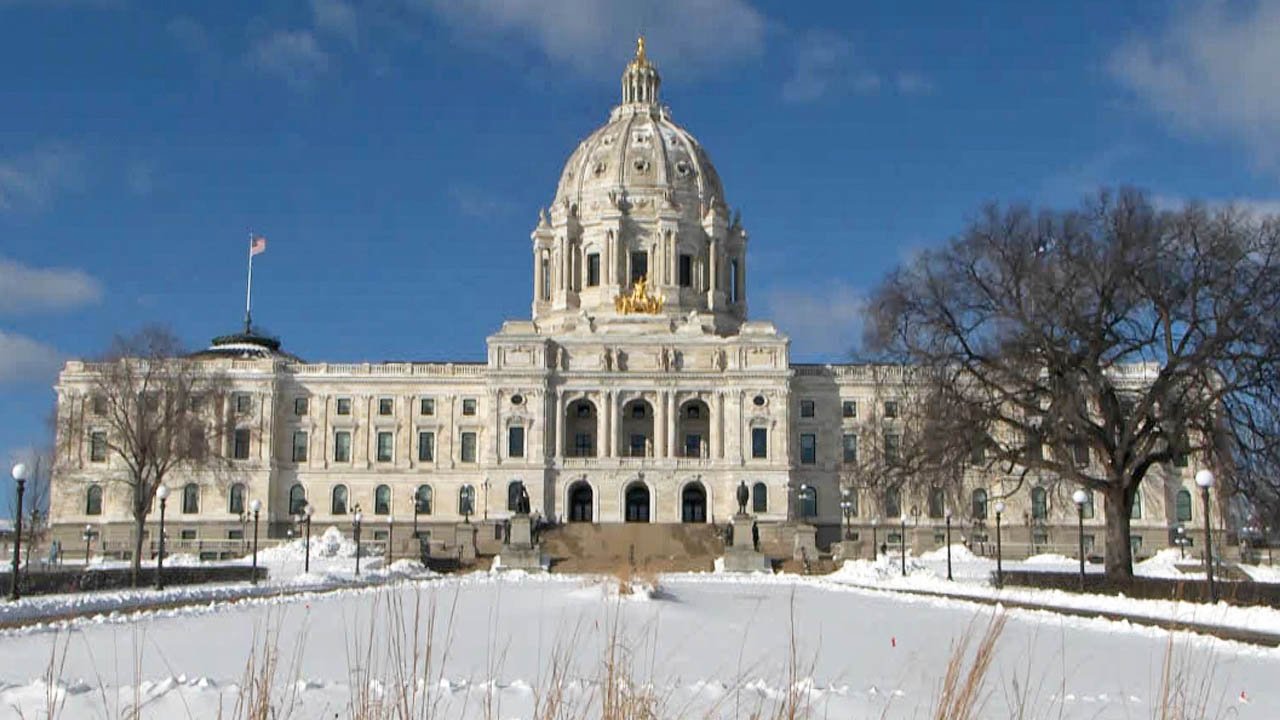
Minnesota’s financial outlook has improved significantly, with updated projections showing a larger-than-expected surplus for the current budget cycle. State officials now estimate a $3.7 billion surplus, a sharp increase from earlier forecasts.
According to Daljoog News analysis, the stronger numbers ease short-term fiscal pressure but are unlikely to settle ongoing political disagreements over taxes, spending, and long-term planning.
The revised forecast, released by Minnesota Management and Budget, also projects a $377 million surplus in the 2028–29 biennium, signaling relative stability beyond the immediate two-year cycle.
What Happened?
State budget officials reported that Minnesota will close the current two-year budget period with a $3.7 billion surplus. That figure is roughly $1.3 billion higher than projections released in November.
The updated numbers reflect stronger-than-expected tax collections and stable economic performance.
Looking ahead, forecasters estimate a smaller but still positive balance of $377 million for the 2028–29 budget cycle. While modest compared to the near-term surplus, the projection marks an improvement over previous expectations.
The announcement prompted swift reactions from political leaders across party lines.
Governor Tim Walz credited what he described as disciplined budgeting for protecting residents and maintaining fiscal stability. He indicated that a supplemental budget proposal will follow, focused on maintaining responsible spending.
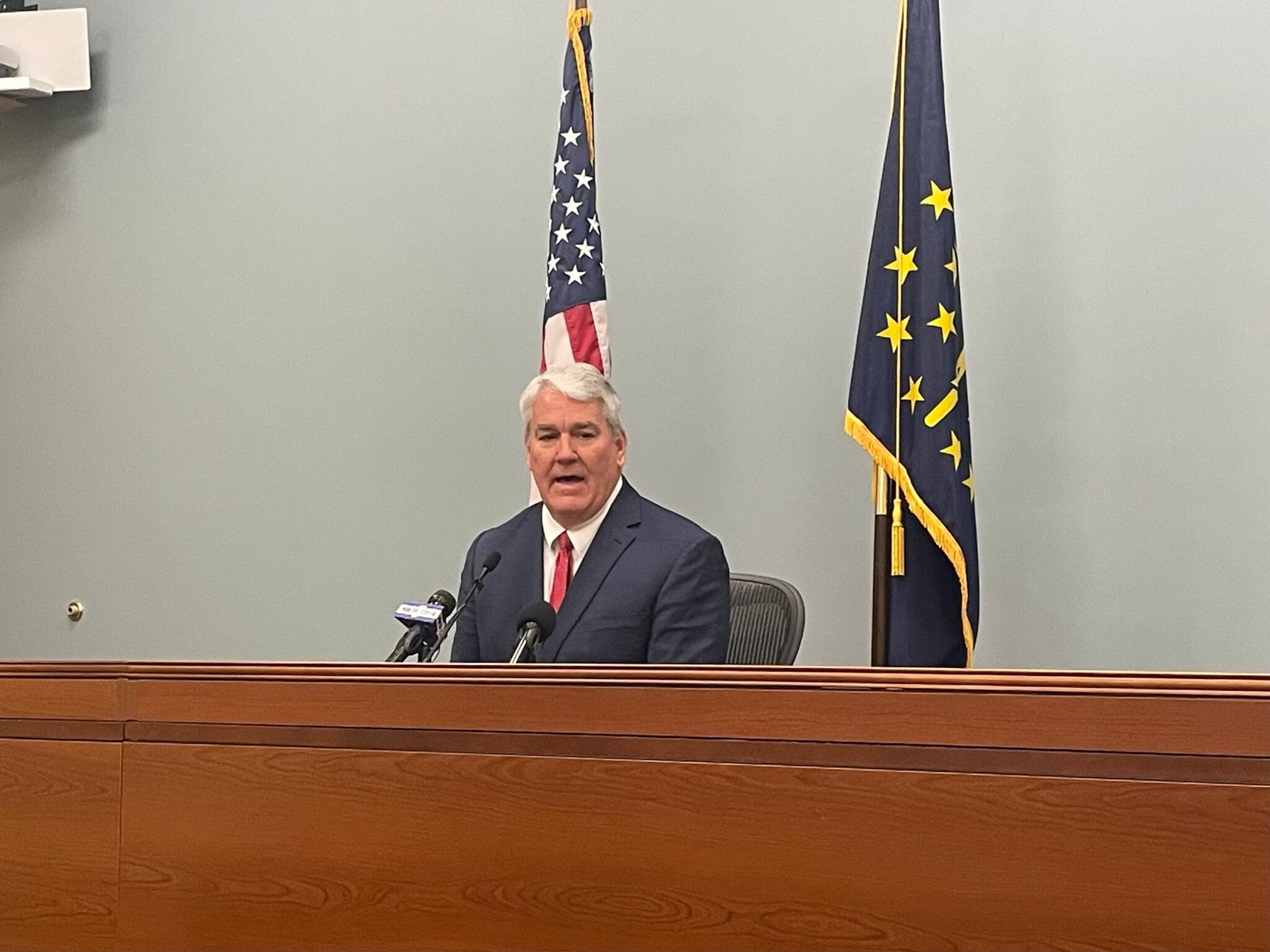
Republican House Speaker Lisa Demuth responded by urging restraint. She argued that additional tax increases and expanded government spending should not move forward, emphasizing cost relief for families.
Why This Matters
Budget forecasts shape legislative priorities.
A larger surplus gives lawmakers flexibility. They can choose to invest in infrastructure, education, public safety, or tax relief. However, the presence of a surplus does not automatically resolve structural concerns.
Minnesota, like many states, faces rising long-term costs in healthcare, education, and pension obligations. While the short-term picture appears strong, lawmakers must weigh one-time spending against ongoing commitments.
The improved outlook also influences credit ratings and investor confidence. A stable surplus signals fiscal discipline and economic resilience, factors that can lower borrowing costs for future projects.
For families and businesses, the debate centers on whether the state should prioritize tax relief or targeted investment. That question will define upcoming legislative negotiations.
What Analysts or Officials Are Saying
Governor Walz framed the surplus as evidence that recent budgeting decisions have worked. His administration has emphasized maintaining reserves while funding public programs.
Supporters argue that strategic investments in education, transportation, and workforce development strengthen long-term growth.
Republican leaders counter that government spending has expanded significantly in recent years. They maintain that surplus funds should help reduce costs for families facing inflationary pressures.
Budget analysts note that revenue forecasts remain sensitive to national economic trends. Consumer spending, employment growth, and federal policy decisions all influence state tax receipts.
Some fiscal experts caution that biennial projections often shift. A surplus today does not guarantee sustained growth over multiple cycles.
Daljoog News Analysis
Minnesota’s improved budget position offers political opportunity but also risk.
Surpluses tend to trigger competing narratives. One side views the extra funds as validation of public investment. The other sees them as proof that taxpayers may have been overcharged.
The state’s challenge lies in distinguishing between temporary gains and structural strength.
If higher revenues stem from short-term economic momentum, permanent spending increases could strain future budgets. On the other hand, underinvesting during a period of stability may slow growth and delay needed improvements.
The modest projected surplus in 2028–29 suggests caution. While the state remains in positive territory, the margin narrows significantly compared to the current cycle.
Lawmakers will likely debate whether to direct funds toward one-time expenditures, such as infrastructure upgrades, rather than ongoing programs that require sustained funding.
Another factor is political positioning. Budget debates often signal broader economic philosophies. Governor Walz’s approach emphasizes measured investment and social protections. Legislative Republicans prioritize cost containment and tax relief.
Those differences will shape negotiations over the supplemental budget expected in the coming months.
What Happens Next
The governor is expected to release a supplemental budget proposal outlining specific spending or adjustment priorities.
Legislators will then enter negotiations, balancing surplus allocation against long-term fiscal planning.
Key areas to watch include:
Education funding adjustments
Infrastructure investment proposals
Potential tax policy changes
Reserve fund contributions
The legislative session will determine whether the surplus leads to expanded programs, targeted tax relief, or a mix of both.
Economic conditions over the next year will also play a role. Slower national growth or shifts in federal policy could alter revenue forecasts.
For now, Minnesota stands in a stronger fiscal position than previously anticipated. Whether that strength translates into broad economic benefit or renewed political gridlock will depend on decisions made in the months ahead.