


The United States Supreme Court struck down a set of tariffs imposed during President Donald Trump’s administration, calling them unlawful. The decision affects goods from multiple countries, including Bangladesh, and could reshape ongoing trade discussions.
According to Daljoog News analysis, the ruling opens a window for Bangladesh to reconsider the terms of its February trade agreement with Washington, potentially easing export pressures and creating new leverage in bilateral negotiations.
The timing is critical: Bangladesh’s government, exporters, and trade officials must now evaluate how the ruling intersects with existing agreements and global supply chain pressures, particularly in the garment sector, which faces intense competition abroad.
What Happened?
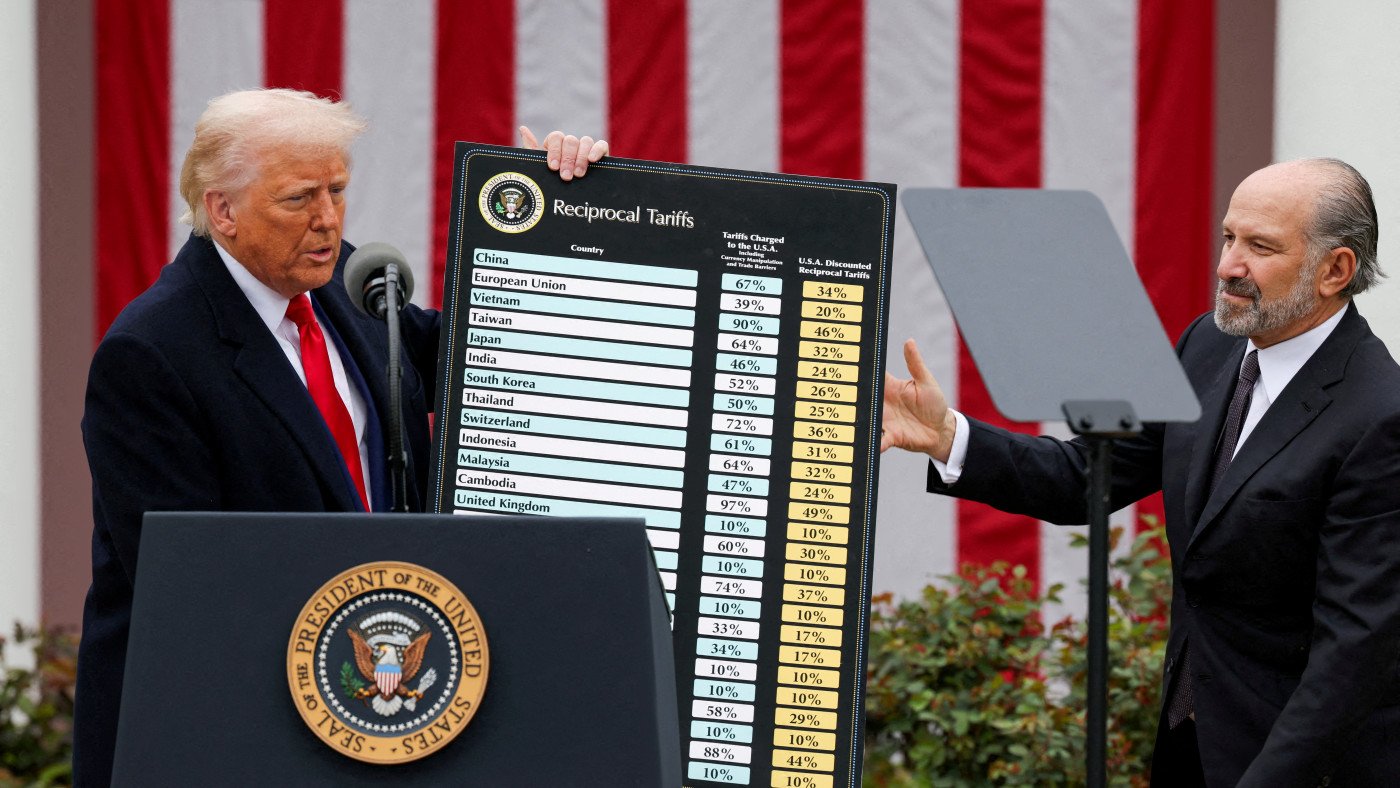
In April last year, President Trump announced additional tariffs on imports from numerous countries, including Bangladesh. These duties, applied in early August, were intended under Section 301 to protect US industries from what the administration described as unfair trade practices.
Last Friday, the US Supreme Court invalidated these measures, marking them illegal under federal law. Trump criticized the ruling and signaled his intention to maintain certain tariffs under Sections 332 and 301, including an extra 10% global levy under Section 122 on selected goods. Additional investigations into trade imbalances and Section 301 violations are reportedly ongoing.
Earlier, on February 9, Bangladesh and the United States signed a bilateral trade agreement aimed at reducing the burden of these tariffs. Analysts now suggest that the Supreme Court decision allows Bangladesh to revisit this deal and explore modifications before full implementation.
Why This Matters
The ruling directly impacts Bangladesh’s export-dependent economy, particularly its garments and textiles sector, which competes in a highly globalized market. By eliminating the Trump-era tariffs, Bangladeshi exporters may gain immediate cost relief, improving their competitiveness in US markets.
However, the February trade agreement contains multiple provisions beyond simple reciprocal tariffs. These include regulatory and compliance clauses that Bangladesh may find challenging. Reviewing these terms could protect long-term interests and maximize economic benefit, particularly as the country prepares for a new government administration.
What Analysts or Officials Are Saying
Trade experts and garment industry leaders have urged the Bangladeshi government to act quickly. They argue that the Supreme Court ruling creates a strategic opportunity to renegotiate terms that may otherwise place the country at a disadvantage.
Some observers note that the original agreement offered limited tangible benefits for Bangladesh, effectively favoring US interests. Reassessment, they say, could rebalance negotiations and secure more favorable conditions for exporters. Officials indicate that the bilateral relationship remains warm, giving Dhaka a relatively strong position to engage in meaningful discussions with Washington.
Daljoog News Analysis
This development highlights the intersection of judicial decisions and international trade strategy. While the Supreme Court ruling does not automatically nullify all existing tariffs, it underscores the fragility of unilateral trade measures and the importance of flexible, well-negotiated agreements.
Bangladesh now has a rare opportunity to assert its interests without immediate penalty, but timing is critical. A proactive stance could protect the garment sector, enhance economic resilience, and set a precedent for other developing countries negotiating with major powers.
The ruling also signals to global markets that US trade policy can shift dramatically with judicial intervention, emphasizing the need for exporting nations to diversify markets and maintain adaptive trade strategies.
What Happens Next
Bangladesh is expected to reassess the February agreement, weighing which clauses can be renegotiated for better balance. Officials will likely consult industry stakeholders, particularly in textiles, to identify immediate and long-term priorities.
The US administration’s response to the Supreme Court decision will be closely monitored. While some tariffs may remain temporarily, ongoing engagement with Washington could lead to revised, mutually beneficial terms.
Exporters, government policymakers, and trade analysts will watch whether Bangladesh can leverage this moment to reduce costs, expand market access, and secure greater predictability in bilateral trade.