


President Donald Trump has approved federal emergency assistance for Washington, D.C., following a massive sewage leak that discharged at least 250 million gallons of untreated waste into the Potomac River.
According to Daljoog News analysis, the decision not only expands federal logistical support but also intensifies political tensions between the White House and Democratic leaders in the region.
The spill began on January 19 after a major wastewater pipeline ruptured, triggering environmental concerns and prompting D.C. officials to declare a local emergency.
What Happened?
The break occurred in a 72-inch pipeline known as the Potomac Interceptor, a critical piece of infrastructure that channels wastewater for treatment.
When the pipe burst, untreated sewage flowed into the Potomac River just north of Washington. Officials estimate that approximately 250 million gallons were released during the first five days alone.
D.C. Mayor Muriel Bowser formally requested federal assistance on Wednesday and declared a state of emergency to accelerate response efforts.
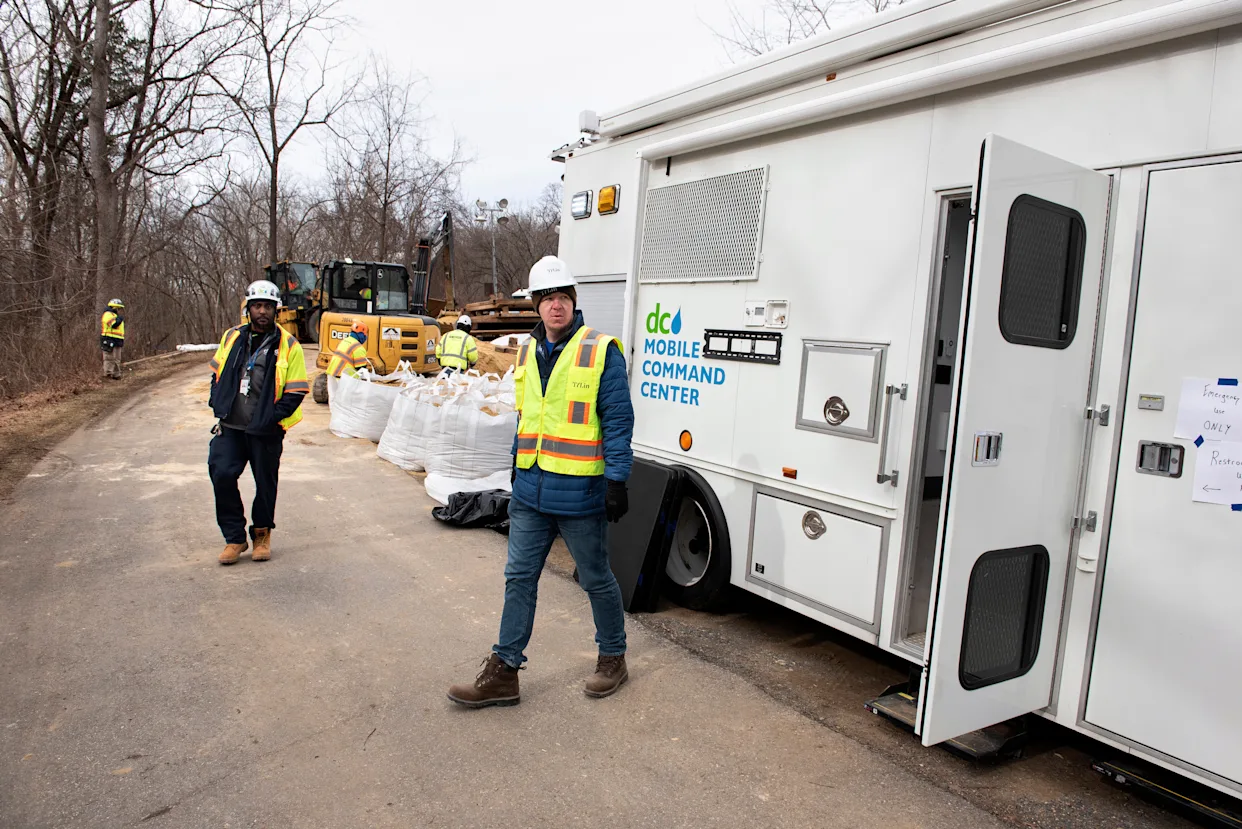
On Saturday, the Federal Emergency Management Agency confirmed that the president had approved the request. FEMA can now deploy equipment, technical personnel, and additional resources to support containment, repair, and environmental monitoring operations.
Local utility provider DC Water has been leading repair efforts, working alongside the Environmental Protection Agency to assess water quality and mitigate ecological damage.
Officials say the leak is largely under control, though permanent repairs could take months.
Why This Matters
The Potomac River serves as both a symbolic and functional artery for the region. It borders the nation’s capital and supports recreation, tourism, and ecosystems downstream.
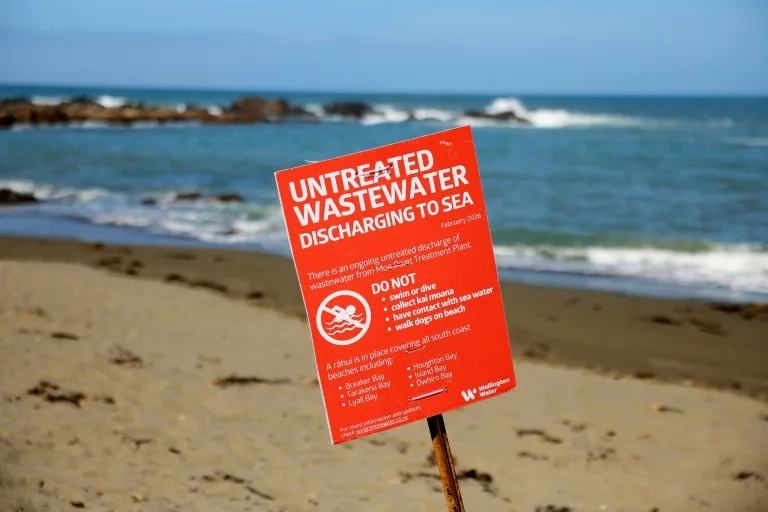
While authorities have stated that municipal drinking water remains safe, health officials are urging residents to avoid direct contact with river water until contamination risks subside.
The scale of the spill raises broader questions about aging infrastructure. Large urban sewer systems across the United States face mounting strain from decades-old pipelines and rising population demands.
This event underscores how quickly infrastructure failures can become environmental emergencies.
It also highlights the interplay between local management and federal oversight. Even before the emergency declaration, the EPA was involved in evaluating the spill’s environmental impact.
What Analysts or Officials Are Saying
The White House framed the approval as a necessary federal intervention to ensure a rapid cleanup.
At a dinner with governors at the White House, President Trump criticized regional leadership and suggested that neighboring states bear responsibility for the crisis. He specifically referenced Maryland and Virginia in remarks questioning local management.
Maryland Gov. Wes Moore has not publicly accepted responsibility for the pipeline rupture, and the infrastructure in question falls within the District’s utility jurisdiction.
Environmental officials have focused on containment rather than politics. The EPA continues to monitor bacterial levels and ecological impact zones along the river corridor.
Public health authorities have maintained that treated drinking water systems remain unaffected, but they caution that recreational exposure could carry short-term risks until contamination levels stabilize.
Daljoog News Analysis
The federal approval serves two parallel purposes: operational support and political messaging.
On the operational side, FEMA’s involvement adds manpower, equipment, and coordination capacity. Large-scale sewage releases require specialized containment strategies and long-term ecological assessment.
On the political side, the president’s public criticism of Democratic officials suggests this incident may evolve into a broader debate about infrastructure accountability.
However, sewer systems are often maintained by regional utilities operating across complex jurisdictional boundaries. Assigning political blame rarely fixes structural weaknesses.
The more pressing issue is infrastructure resilience. The Potomac Interceptor rupture demonstrates the vulnerability of high-capacity wastewater pipelines in densely populated corridors.
If repairs take months, attention will likely turn to inspection protocols and capital investment planning.
The timing is also significant. Infrastructure reliability has been a bipartisan talking point in recent years, yet funding gaps and deferred maintenance remain persistent challenges nationwide.
This spill could become a case study in how federal, state, and municipal agencies coordinate under environmental stress.
What Happens Next
FEMA teams are expected to expand support operations in the coming days, including logistical coordination and equipment deployment.
DC Water will continue structural assessments of the damaged interceptor line. Engineers must determine whether temporary stabilization can hold until full reconstruction is completed.
Environmental monitoring will remain ongoing. Officials will track bacterial counts and ecological impact indicators downstream to ensure safe conditions for public use.
If contamination levels persist, further advisories or access restrictions could follow.
Politically, scrutiny over infrastructure maintenance funding may intensify at both local and federal levels.
For residents, the immediate priority remains clear: avoid direct contact with the river and follow official guidance as cleanup operations continue.
The spill has been largely contained, but the long-term lessons about infrastructure durability and intergovernmental coordination are just beginning to unfold.