

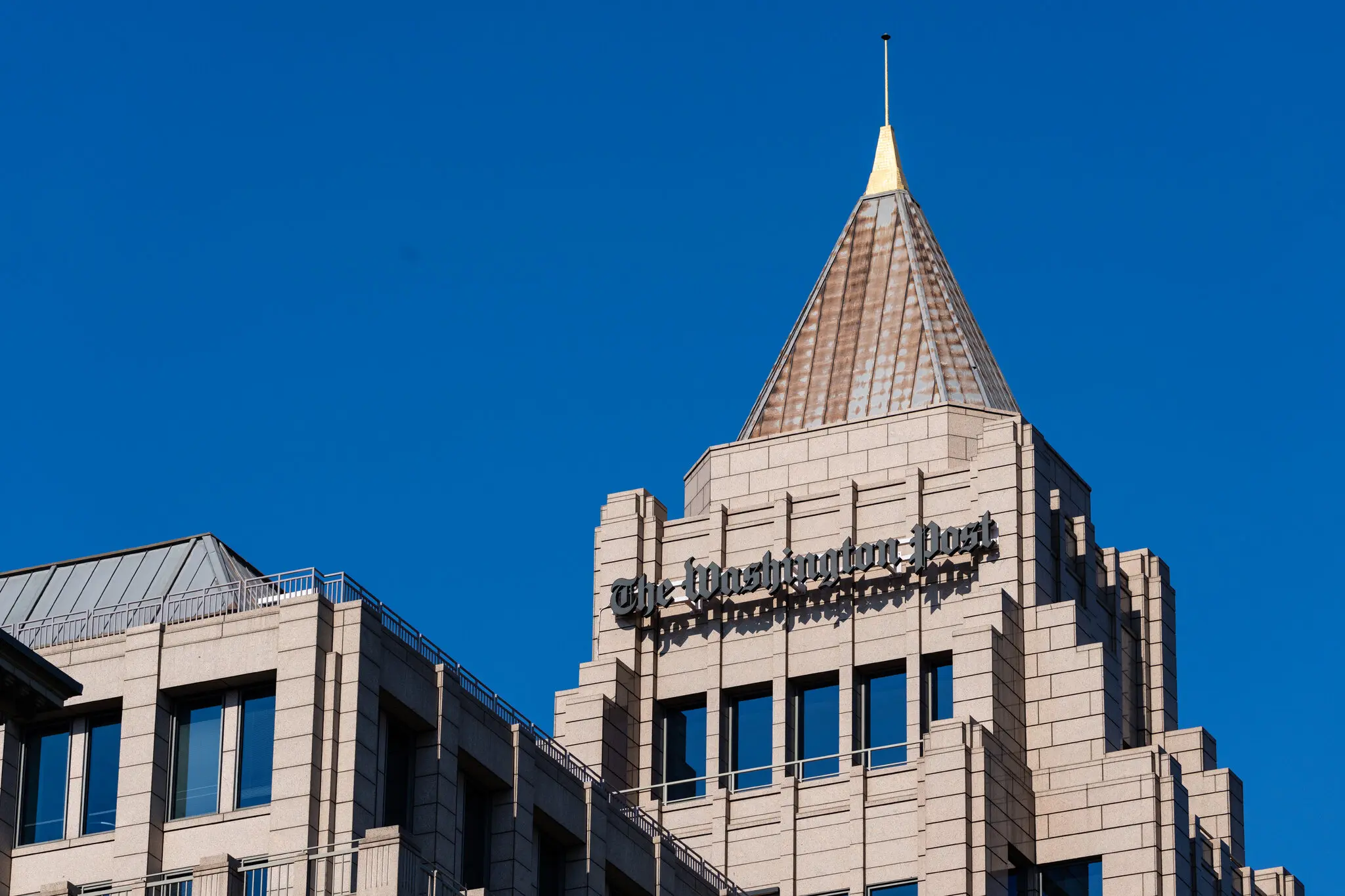
FBI agents executed a search warrant at the home of Washington Post reporter Hannah Natanson on Wednesday, marking a rare escalation in government actions targeting journalists. The investigation involves a government contractor’s handling of classified material.
It is extremely uncommon for federal authorities to search a reporter’s residence, even in cases of unauthorized disclosure of sensitive information. A 1980 law generally prevents the seizure of journalists’ work materials unless the reporter is suspected of committing a crime connected to the material.
Natanson spent the past year reporting on the Trump administration’s efforts to remove federal employees and redirect the workforce toward advancing its agenda. Her reporting relied on confidential tips from government staff expressing frustration, fear, and concern over the administration’s policies.
During the search, FBI agents seized Natanson’s laptops, a phone, and a smartwatch. A subpoena was also issued to the Washington Post seeking information tied to a government contractor. The Justice Department did not first approach Natanson or the newspaper to request cooperation, a step normally required unless authorities determine it could threaten national security or the investigation.
The probe focuses on Aurelio Perez-Lugones, a Maryland-based system administrator with a top-secret clearance. Perez-Lugones is accused of taking home classified intelligence reports and notes. Court documents indicate that investigators discovered classified material in messages between Perez-Lugones and Natanson.
President Trump referenced the case in remarks on Wednesday, calling Perez-Lugones “a very bad leaker” and suggesting additional investigations were underway. Attorney General Pam Bondi confirmed the search was requested by the Pentagon to gather evidence of classified leaks from a contractor.
Natanson’s reporting included coverage of U.S. pressure on Venezuela, including the capture of Nicolás Maduro, citing government documents and diplomatic meetings. The search raises concerns that confidential sources may now be exposed to the Justice Department.
Press freedom advocates criticized the FBI action. Jameel Jaffer, director of the Knight First Amendment Institute, warned of a chilling effect on legitimate journalism. Bruce D. Brown, president of the Reporters Committee for Freedom of the Press, described it as one of the most invasive actions law enforcement could take, stressing that federal policies limit searches to extreme cases.
Historically, DOJ policies have restricted the seizure of journalists’ work. In 2013, the department faced backlash for using search warrants against reporters in a leak investigation. Attorney General Eric Holder later barred targeting journalists in bad faith. Merrick Garland reinforced that policy in 2021, but Bondi’s 2025 reversal restored broader authority to issue warrants and subpoenas while removing some constraints designed to protect reporters.
The legal backdrop includes the Espionage Act, which criminalizes the unauthorized dissemination of national defense information. While generally not applied to traditional journalists, the Trump administration’s prior Espionage Act charges against Julian Assange and Natanson’s case signal the tension between national security enforcement and First Amendment protections.
Natanson said she had collected stories from over a thousand federal sources during her reporting. The search raises the possibility that their identities could be compromised, intensifying concerns about press freedom and confidentiality.
Experts emphasize the unprecedented nature of the action and its potential to impact journalistic practices, warning that targeting reporters for material obtained from government insiders could discourage whistleblowers and undermine public access to critical information.
As the investigation unfolds, the balance between national security and constitutional press protections remains at the center of legal and public debate.