


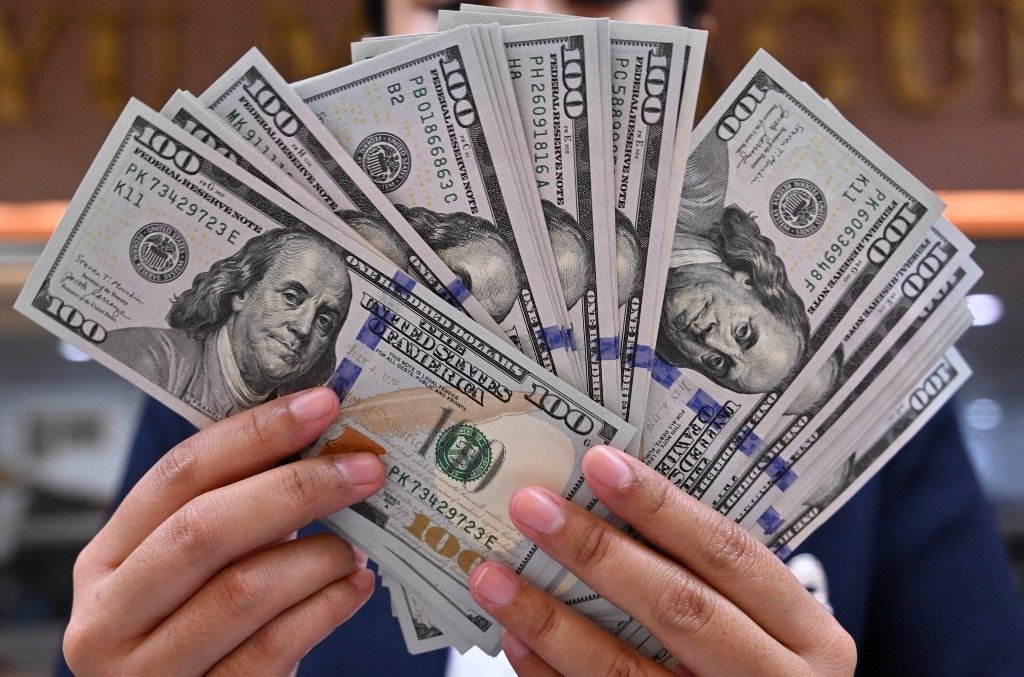
Since Donald Trump assumed the presidency, the U.S. dollar has been on a steep decline. This week, the global benchmark currency fell to its lowest level in four years, trading poorly against the euro and the British pound. In just the past seven days, the dollar lost nearly three percent of its value, reducing Americans’ purchasing power.
According to Daljoog News analysis, the dollar’s drop is not accidental. Market reactions reflect investor concern over Trump’s tariffs, trade tensions, and inconsistent economic policies. Ordinary Americans are feeling it through higher import prices and more expensive overseas travel.
The slide comes after a decade of dollar strength, with the post-pandemic economic recovery boosting U.S. growth and interest rates. Yet under Trump, the dollar’s trajectory has shifted sharply, raising questions about how much influence presidential policy can have on global currency markets.
What Happened?
From 2020 to 2022, the dollar surged rapidly, fueled by strong economic growth and comparatively high U.S. interest rates. Investors favored the greenback, confident in its stability. But since Trump’s presidency, the currency index has fallen nearly 10 percent against major currencies—its worst performance since 2017.
Analysts attribute much of this decline to Trump’s trade policies and tariffs, which have stirred global uncertainty. Recent tensions over Greenland further accelerated the drop, as investors reacted nervously to unpredictable foreign policy moves.
The result: American consumers are paying more for imported goods, travelers face higher costs abroad, and businesses dealing in foreign currencies are under pressure.
Why This Matters
Daljoog News analysis highlights that a weak dollar has broad consequences. Imported goods become more expensive, reducing consumer purchasing power. Travel abroad becomes costlier, and U.S. companies face higher operational costs in international markets.
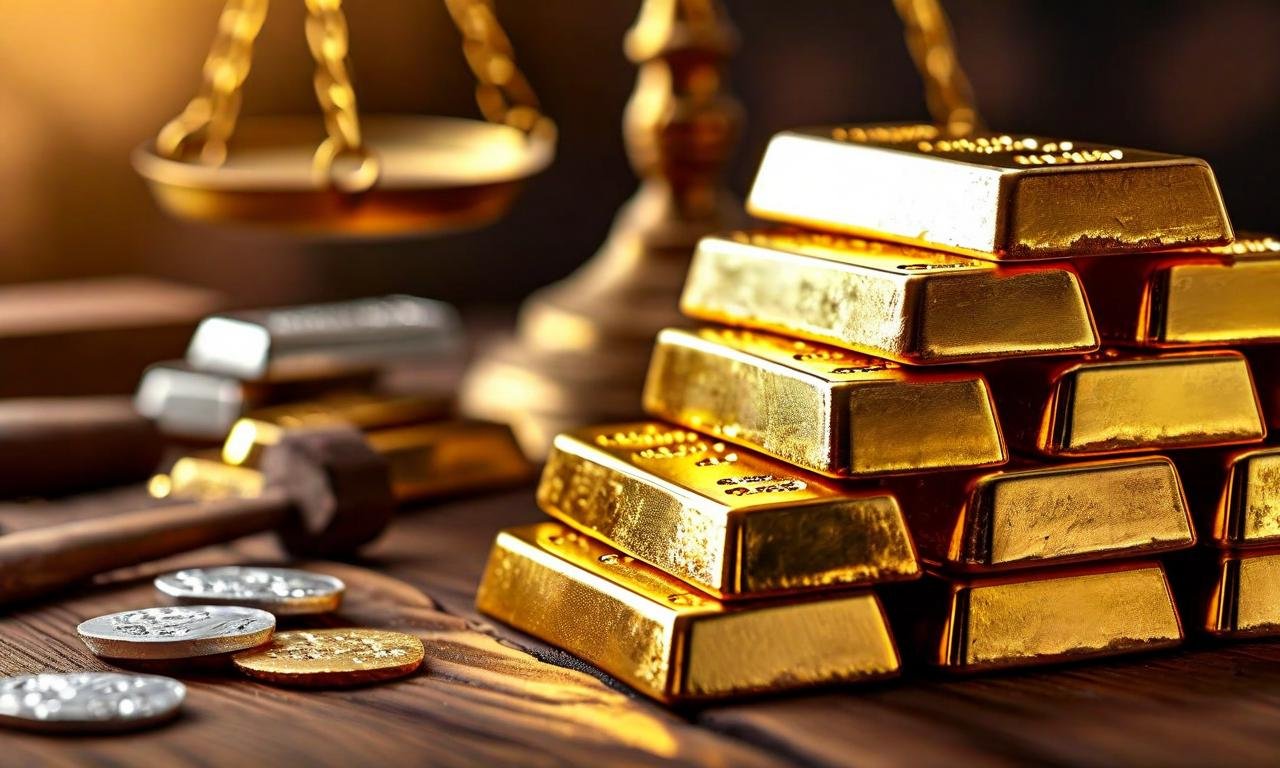
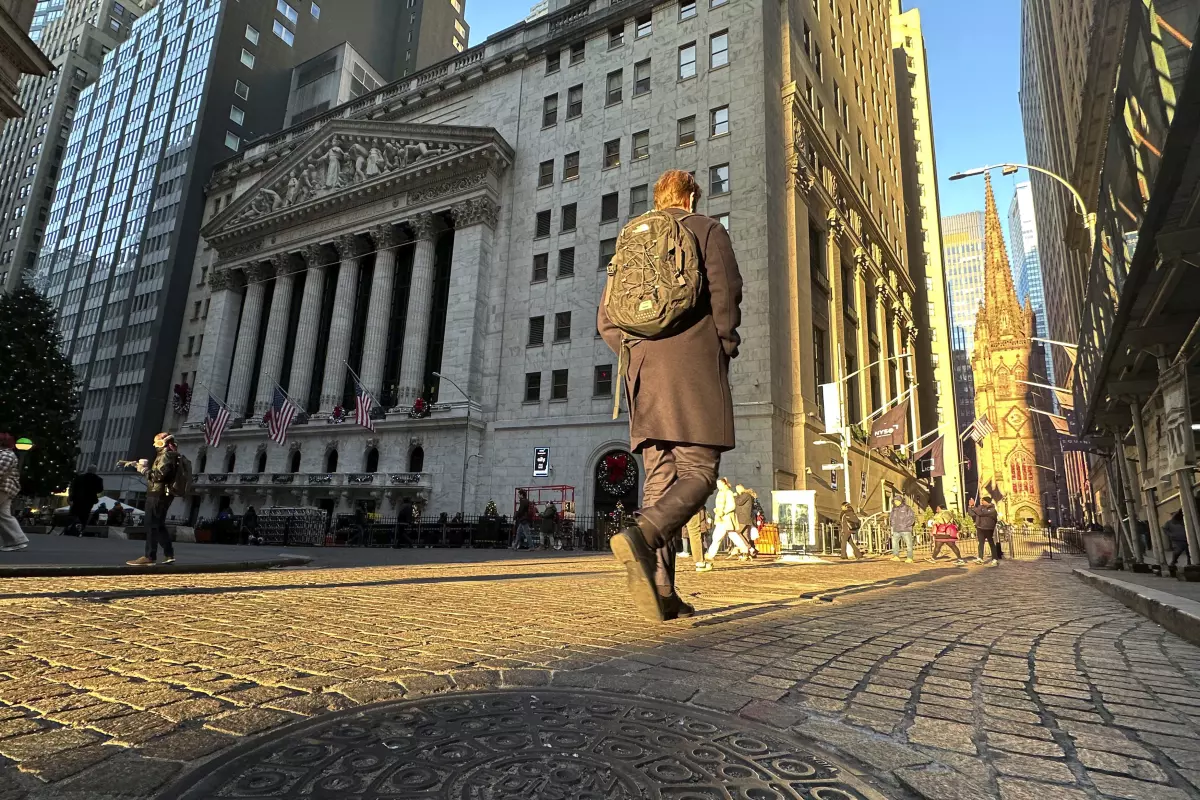
At the same time, global investors are shifting toward safer assets. Gold prices have nearly doubled as the dollar wavers, reflecting heightened risk aversion. Meanwhile, the euro, pound, and currencies of 11 other countries have strengthened against the greenback. Even pension funds in the Netherlands and Denmark have cut U.S. bond purchases, signaling reduced confidence in the dollar.
What Analysts or Officials Are Saying
Robin Brooks, senior fellow at the Brookings Institution, says the dollar’s decline mirrors market anxiety over Trump’s inconsistent policies. “Investors are reacting to policy volatility—sometimes tightening, sometimes easing—while trade and foreign relations change unpredictably,” he notes.
Thijs Wijsmann, a foreign currency strategist at Macquarie, adds that sudden trade tensions—like the Greenland dispute—have spooked investors. “Global uncertainty is pushing capital into safe havens like gold,” he explains.
Chris Turner, an economist at ING, emphasizes that so far, the dollar remains resilient in broader markets. U.S. stock markets are near record highs, and government debt has not faced significant sell-offs, keeping major systemic risks contained. However, ING projects the dollar could weaken further by several percentage points this year.
Daljoog News Analysis
Daljoog News sees the dollar’s decline as both a side effect and a tool of Trump’s economic strategy. The president’s “America First” approach encourages a weaker currency to make U.S. exports cheaper abroad, boosting trade competitiveness.
While critics focus on rising import costs, Trump interprets a weaker dollar as an opportunity. In July, he remarked, “It may not sound good, but a weaker dollar lets you earn far more than a strong one when exporting goods.”
In essence, the current slide reflects a deliberate mix of policy decisions, global reactions, and market psychology. Rather than intervening to prop up the currency, Trump appears willing to accept—and even leverage—the decline to achieve broader economic goals.
What Happens Next
Looking ahead, the dollar’s volatility may continue as the administration balances trade tensions, interest rate policies, and political uncertainty. Investors will likely remain cautious, while U.S. exporters could see some benefits from a weaker currency.
Daljoog News predicts that unless there’s a significant policy shift, Americans may face higher costs for imports and travel, but U.S. companies could gain global price advantages. The trajectory of the dollar will depend not just on market mechanics, but on how Trump’s policies interact with global economic responses.