


A Georgia judge on Tuesday dismissed racketeering charges against dozens of protesters linked to efforts to stop construction of a police and firefighter training facility called “Cop City.”
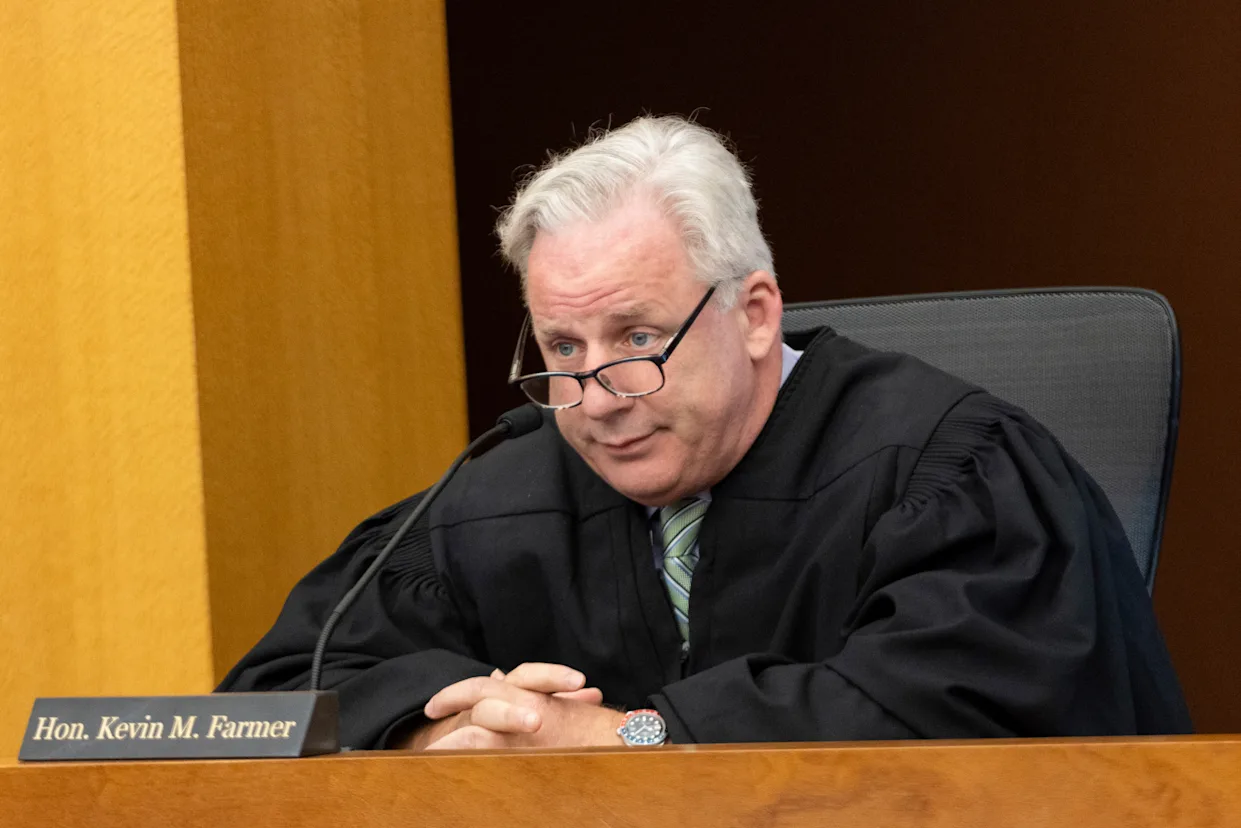
Fulton County Judge Kevin Farmer ruled that Republican Attorney General Chris Carr did not have authority to bring the 2023 indictments under Georgia’s Racketeer Influenced and Corrupt Organizations law. Farmer said Carr needed approval from Governor Brian Kemp.
Carr’s office announced plans to appeal the decision. “We strongly disagree with this decision and will continue to vigorously pursue this domestic terrorism case to ensure that justice is served,” the statement said.
The 61 defendants faced the largest racketeering case against protesters in U.S. history. Allegations included throwing Molotov cocktails at police and providing food to other protesters. Each could have faced up to 20 years in prison under the dismissed charges.
Five of the defendants are also charged with domestic terrorism and first-degree arson. These charges stem from a 2023 night when masked activists burned a police car in downtown Atlanta and threw rocks at a building used by the Atlanta Police Foundation. Farmer noted that the arson charge may also be dismissed, but the domestic terrorism charge could remain.
Amanda Clark Palmer, attorney for one of the protesters, praised the judge’s ruling. “The prosecution did not follow the law when filing these charges,” she said. She added, “We are relieved the dismissal order has been entered but our relief is not complete yet as we wait to see whether the Attorney General will appeal.”
The case stems from protests over the South River Forest training center, which became contentious in January 2023. During a police sweep, state troopers killed 26-year-old activist “Tortuguita,” claiming he fired at officers from a tent near the site. A prosecutor said the officers’ actions were “objectively reasonable,” but Tortuguita’s family filed a lawsuit, saying he had his hands raised when troopers initially fired pepper balls.
Protests escalated after the incident. Some masked demonstrators attacked police vehicles and construction equipment to delay the project and pressure contractors to leave. Others pursued civic avenues, including attending city council meetings and pushing a referendum effort, which became tied up in court.
Attorney General Carr, who is running for governor, pursued the case, while Governor Kemp supported it as a measure against “out-of-state radicals that threaten the safety of our citizens and law enforcement.”
Critics argue that the racketeering indictment was politically motivated and heavy-handed, aimed at suppressing opposition to the 85-acre project, which cost more than $115 million.
The legal fight highlights ongoing tensions between law enforcement, local government, and activists in Georgia. It also raises questions about the limits of prosecutorial authority under state law.
Judge Farmer’s decision marks a major development in one of the most high-profile protest cases in recent U.S. history. With the appeal pending, the future of the remaining charges and the movement against the training facility remains uncertain.