


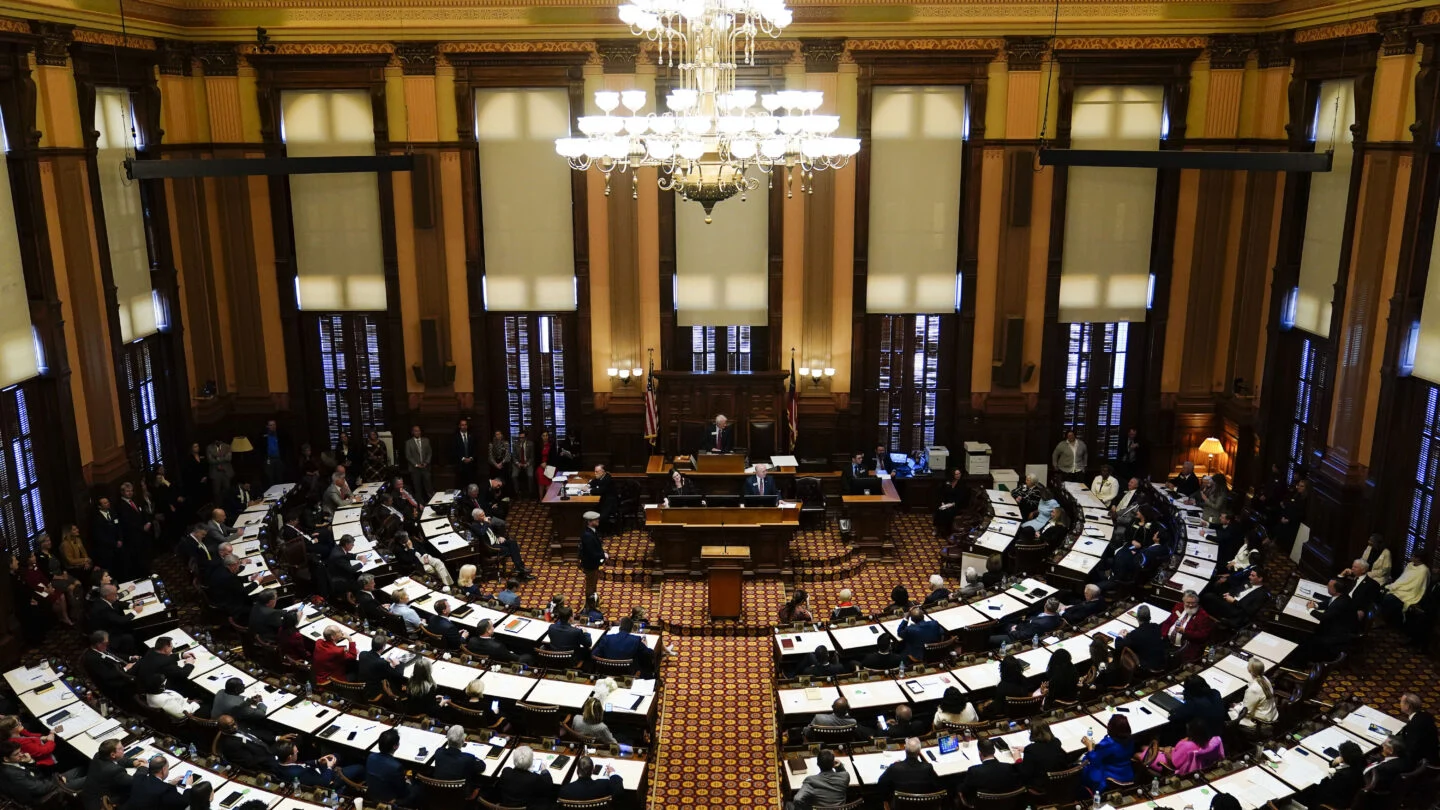
Three Georgia lawmakers are calling for a state audit of the Department of Human Services to review its handling of federal benefits. The request comes amid concerns over rising administrative costs and errors in SNAP payments.
State Representatives Marvin Lim, Karen Lumpton, and David Wilkerson sent a letter urging state auditors to examine DHS operations. They cited reporting that revealed the department may need an additional $47 million to cover administrative costs for the Supplemental Nutrition Assistance Program, or SNAP, due to federal funding cuts.
The lawmakers highlighted that many Georgians already struggle to navigate DHS systems. New federal rules, they argue, could increase administrative burdens, making it harder for residents to access essential benefits. “Our investigations show Georgia ranks among the worst states in the country for SNAP payment errors,” the letter states. “We need a thorough review to identify ways to improve efficiency and reduce mistakes.”
The audit would focus on SNAP administrative costs, payment accuracy, and internal processes. By examining how resources are used and where errors occur, the lawmakers hope to identify solutions that save money while improving service for Georgia residents.
High error rates in SNAP payments have been a persistent issue for Georgia. Experts note that administrative mistakes can leave families without benefits or result in overpayments that strain state budgets. Lawmakers believe a state audit could help hold the department accountable and ensure taxpayer funds are used effectively.
The call for an audit comes as budget discussions continue at the state level. Officials have raised concerns that federal funding changes and increased administrative requirements could create additional challenges for DHS. A thorough review could provide lawmakers and the public with a clearer understanding of how the department manages federal programs and what improvements are needed.
The legislators’ letter also points to the “big beautiful bill,” a recent federal funding measure, as a factor influencing DHS’s administrative load. They argue that understanding the impact of such legislation on state operations is critical for budgeting and planning.
Representatives Lim, Lumpton, and Wilkerson emphasize that the audit is not meant to criticize DHS staff, but to ensure that the department’s systems are effective and that federal benefits reach the people who need them most. The goal is to identify inefficiencies, reduce errors, and strengthen oversight.
11 Alive contacted Governor Brian Kemp’s office, the Department of Human Services, and the state auditor to ask whether the proposed audit could move forward. At the time of reporting, responses were pending. State leaders will likely consider the potential benefits and costs of such a review before deciding how to proceed.
If approved, the audit could provide lawmakers with detailed insights into DHS operations, including staffing, technology, and process management. It may also highlight areas where training or system upgrades could reduce errors and improve service delivery.
As the conversation continues, stakeholders emphasize the importance of transparency and accountability in administering federal benefits. Lawmakers argue that a comprehensive audit would help ensure Georgia families receive the assistance they need while maintaining responsible use of public funds.
The push for a DHS audit reflects growing concern about government efficiency and the accuracy of benefit programs. With millions of residents depending on SNAP and other federal assistance, state oversight is seen as a critical tool for protecting both taxpayers and recipients.