


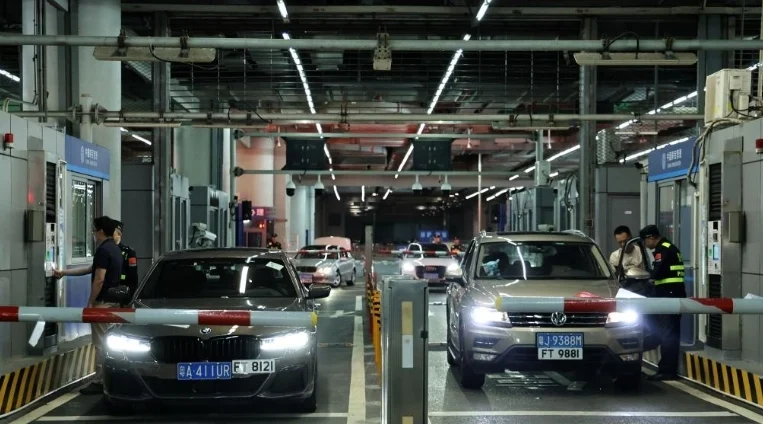
A new chapter in the Guangdong-Hong Kong-Macao Greater Bay Area (GBA) began on December 23. For the first time, approved private car owners from Guangdong Province can drive directly into Hong Kong’s urban districts. This is possible through the Hong Kong-Zhuhai-Macao Bridge, the world’s longest sea-crossing bridge.
The first phase of the program includes Guangzhou, Zhuhai, Jiangmen, and Zhongshan. After six months, it will expand to other cities in Guangdong. While it may seem like a simple traffic change, the move is far more significant. It represents easier travel, stronger economic ties, and closer integration across the region.
Travelers in Guangdong now have a new option for reaching Hong Kong. Previously, private vehicles had limited access, and drivers had to rely on public transport, commercial vehicles, or special permits. Now, approved drivers with confirmed travel bookings can cross into Hong Kong with their own cars. This reduces travel time, increases convenience, and allows residents to plan trips with greater flexibility.
The new access also supports tourism and shopping. Many residents of Guangdong travel to Hong Kong for leisure, business, or shopping. With private cars allowed, families can drive directly to hotels, retail districts, and cultural sites without relying on buses or taxis. This convenience could encourage more frequent travel, benefiting the hospitality and retail sectors in Hong Kong.
Economic benefits extend beyond tourism. Cross-border trade and small businesses are expected to gain from the new arrangement. Private vehicle access allows entrepreneurs to transport goods more efficiently and explore opportunities in both Guangdong and Hong Kong. Delivery services, logistics companies, and small-scale traders may find it easier to manage cross-border operations.
The move also highlights the Greater Bay Area’s integration goals. The GBA initiative aims to strengthen connections between Guangdong, Hong Kong, and Macao, creating a unified economic and innovation hub. Allowing private cars to cross borders is a practical step toward reducing barriers and enhancing mobility. It reflects a broader strategy of linking cities, businesses, and people more closely.
Authorities have emphasized that safety and efficiency remain top priorities. Only approved vehicles with confirmed bookings can participate, and drivers must follow Hong Kong’s traffic regulations. The program is being monitored to ensure smooth traffic flow and minimal disruptions.
Residents and travelers have welcomed the change. Many see it as a long-awaited opportunity to travel more freely between Guangdong and Hong Kong. For businesspeople, it provides faster access to meetings, events, and trade opportunities. For families, it makes weekend trips or holiday travel more convenient and enjoyable.
The phased approach allows authorities to adjust operations based on demand and traffic patterns. After six months, more cities in Guangdong will be included, expanding the benefits to a wider population. This gradual expansion also ensures that infrastructure, customs, and safety measures can be tested and improved.
Experts say the policy may encourage stronger economic and social links between the regions. More accessible travel can increase spending in Hong Kong, promote cultural exchange, and foster stronger business networks. It is also expected to reduce travel bottlenecks at border checkpoints, making daily commuting and tourism smoother.
The Hong Kong-Zhuhai-Macao Bridge is central to this development. Opened in 2018, it connects the three regions over more than 55 kilometers of sea, linking multiple cities with fast, reliable transport. Private vehicle access enhances the bridge’s value, making it a critical artery for regional growth and integration.
Overall, allowing Guangdong private vehicles into Hong Kong is more than a transport policy. It is a step toward uniting cities, improving travel convenience, supporting businesses, and strengthening the Greater Bay Area as a connected economic and cultural hub. Residents, business owners, and travelers alike are likely to feel the benefits in both daily life and long-term regional development.