

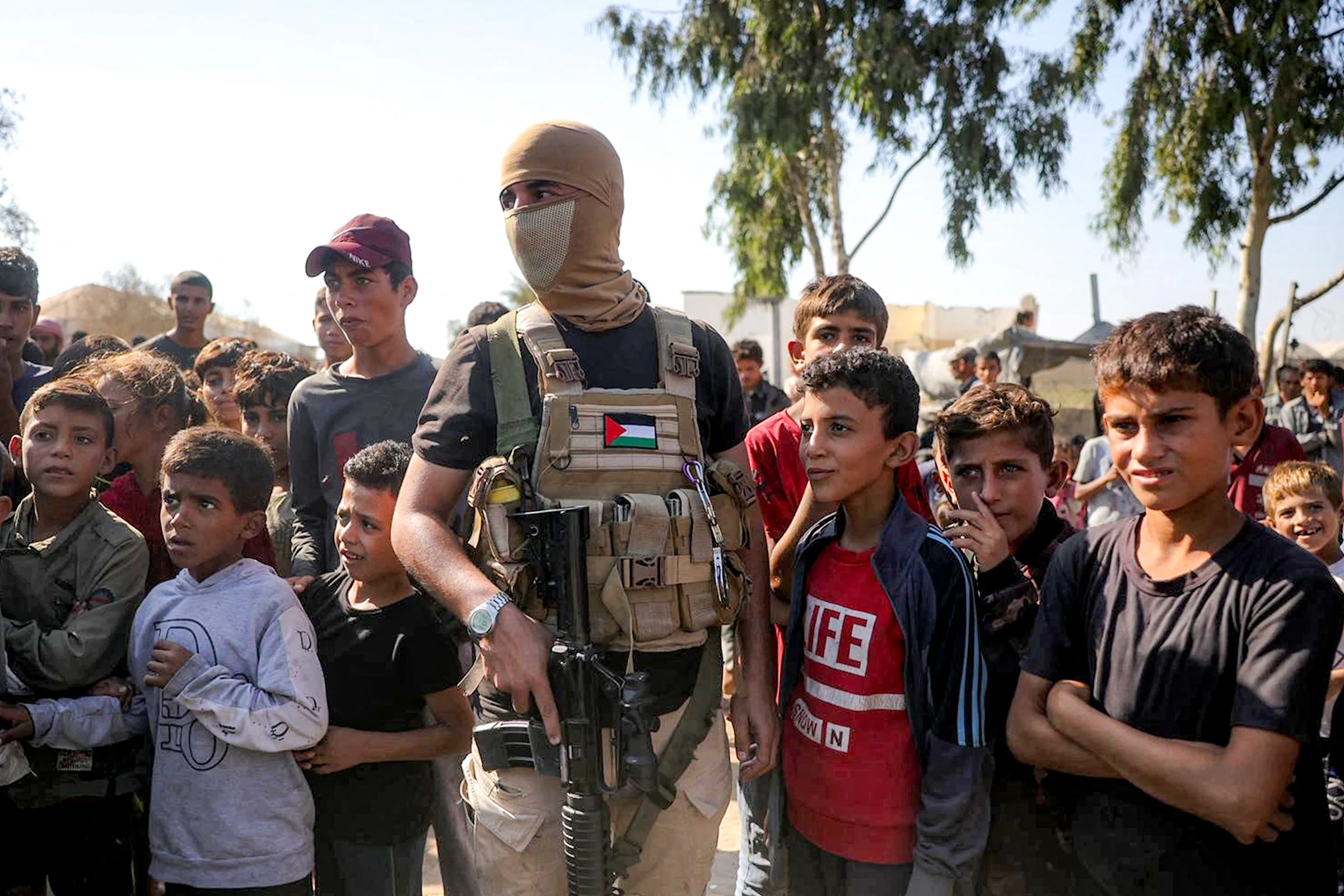
A United States official confirmed that Hamas’ disarmament in Gaza will likely include “some sort of amnesty” for members of the group. The announcement comes after Israel recovered the body of the last captive held in Gaza, moving the ceasefire agreement signed in October closer to its next phase.
The official, speaking on condition of anonymity on Monday, said Hamas has signaled willingness to disarm. “If they don’t disarm, then they’ve breached the deal,” the official noted, adding that the US has a structured program to oversee the disarmament process. The possibility of amnesty for fighters who lay down their weapons has been publicly acknowledged as part of ongoing discussions.
Al Jazeera’s reporting from Washington highlighted that the official also hinted at potential recognition of Hamas as a political entity as part of the disarmament process, though details remain limited. The timeline for finalizing terms depends on negotiations involving Israel, the United States, and other regional intermediaries, including Qatar, Turkey, and Egypt.
On Monday, Israel confirmed that the remains of the final captive, Ran Gvili, had been positively identified and repatriated. Hamas emphasized that this step fulfills its obligations under phase one of the ceasefire, calling for Israel to uphold its commitments without delay.
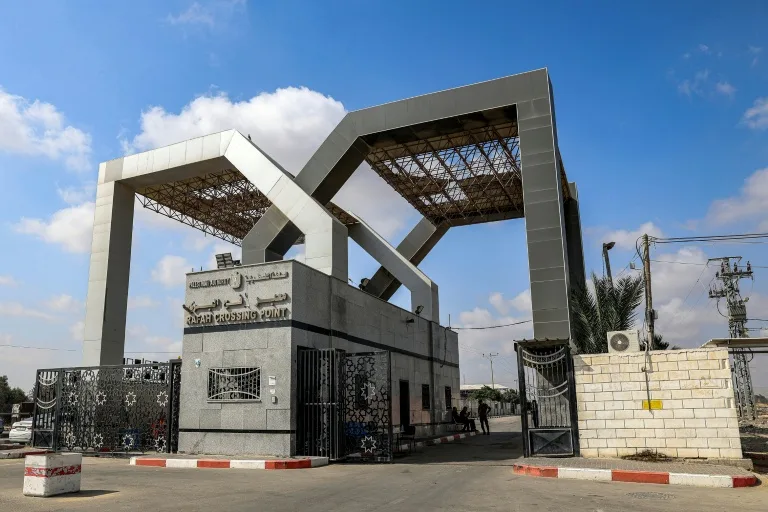
The October ceasefire plan includes reopening the Rafah crossing with Egypt, allowing humanitarian aid into Gaza, and facilitating management by the National Committee for Gaza. Trump’s 20-point Gaza plan also outlines safe passage for Hamas members who wish to leave the enclave after decommissioning weapons.
Turkish Foreign Minister Hakan Fidan met with Hamas officials in Ankara to discuss the second phase of the ceasefire and humanitarian efforts. Fidan highlighted Turkey’s ongoing role in international efforts, including participation in Trump’s Board of Peace, to ensure the rights and welfare of Palestinians in Gaza.
The development marks a critical step in stabilizing Gaza, balancing disarmament with humanitarian and political measures. Observers note that while the plan includes amnesty and safe passage, success depends on continued cooperation between Hamas, Israel, the United States, and regional actors.
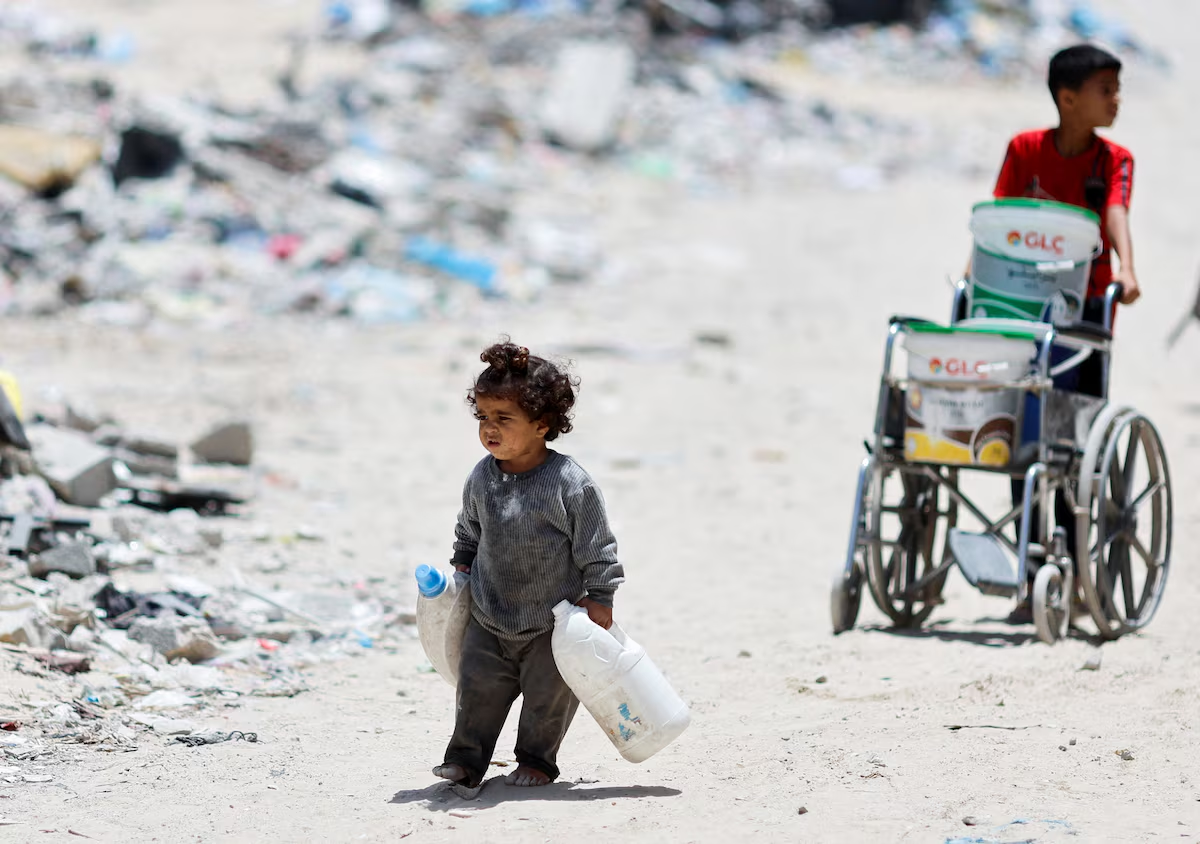
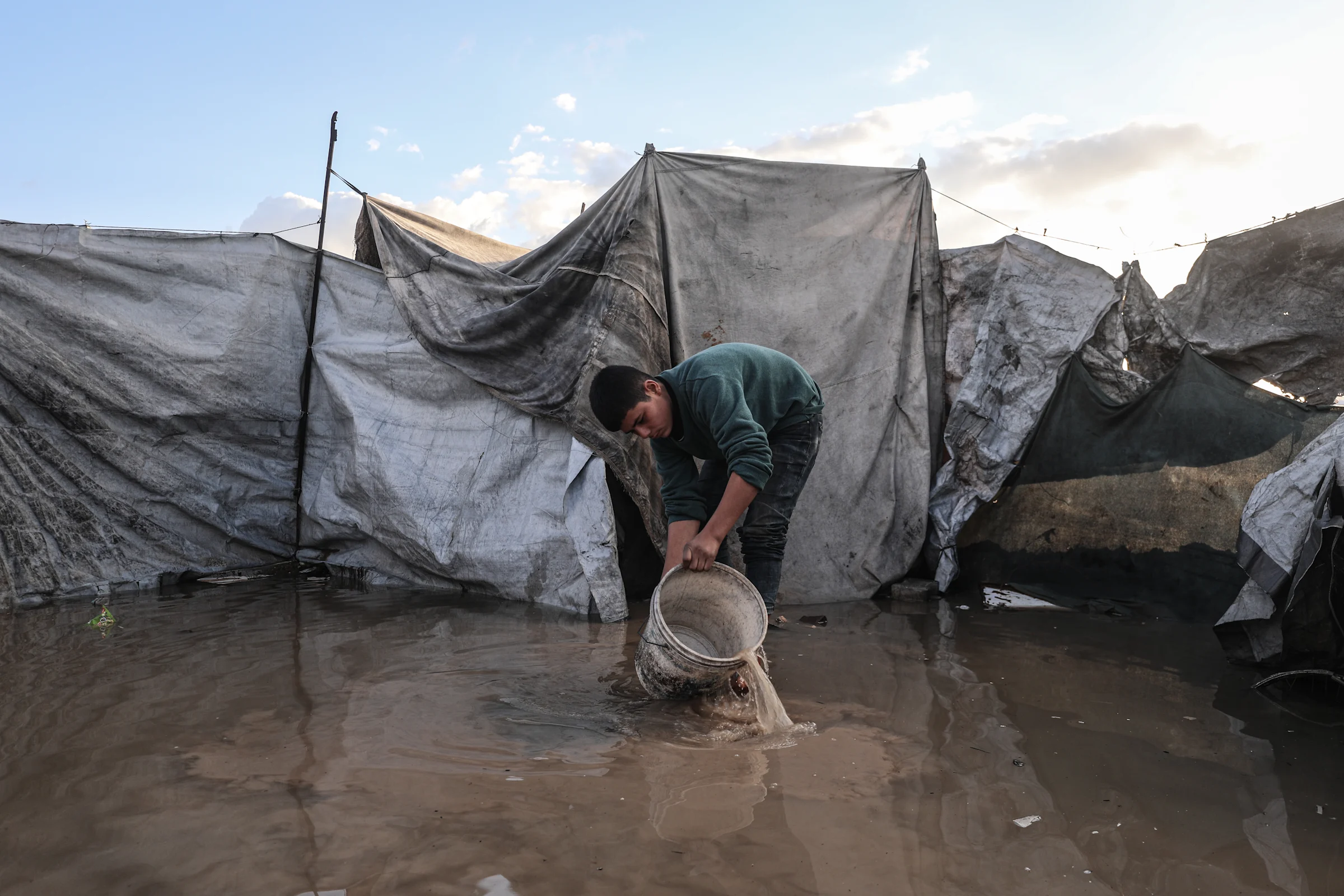
Hamas’ compliance with the ceasefire and disarmament terms could significantly impact security and humanitarian conditions in Gaza. International officials stress that ensuring safe aid delivery and upholding agreements will be essential to maintain stability in the enclave.
This announcement underscores ongoing diplomatic efforts to manage conflict in Gaza, highlighting the complex interplay of security, political negotiations, and humanitarian priorities in the region.