


Tight glutes are more than a cosmetic concern—they can restrict hip mobility, contribute to pain, and increase injury risk. Many people focus on building glute size with squats, bridges, or kickbacks, but stretching and controlled movement are critical for total hip function.
According to Daljoog News analysis, incorporating targeted glute stretches can improve range of motion, stabilize hips, and prevent tension from spreading to the back, knees, and shoulders. Proper mobility work addresses not only flexibility but also how the glutes engage during everyday movement.
With long hours of sitting, repetitive workouts, and stress, glute tension is common. Experts emphasize that stretching, combined with mindful activation, protects the body from compensatory strain and helps maintain posture and joint health.
What Happened?
Glute tightness results from several common lifestyle factors. Sedentary behavior—prevalent in roughly 80 percent of U.S. jobs—keeps hips in a shortened or lengthened inactive position. Repetitive exercise without proper recovery can inflame muscles and trigger protective tightening. Poor posture and lack of awareness about hip engagement further limit range of motion.
Stress also plays a role. Prolonged nervous system tension causes unconscious clenching, often concentrated in the glutes. This cumulative tension can lead to compensatory movement patterns: if the glutes are tight, other parts of the body, including the spine, knees, and pelvis, take on excess load. Over time, this contributes to pain, misalignment, and reduced mobility.
Why This Matters
Glute tension affects multiple systems. Restricted hips change walking patterns, impair exercise performance, and contribute to lower back and knee pain. It can even affect upper body posture and shoulder alignment.
For athletes, dancers, or anyone active, limited glute mobility increases the risk of strains and overuse injuries. Everyday tasks, from climbing stairs to bending and lifting, become more taxing when the glutes cannot fully engage. Addressing glute tightness through stretches and controlled movement restores natural motion patterns and reduces injury risk.
What Analysts or Officials Are Saying
Physical therapists and movement experts highlight the importance of approaching glute health through a combination of stretching, strengthening, and mindful movement. Passive stretching alone is insufficient; muscles must also be engaged under load to reinforce mobility and stability.
Dr. Jen Fraboni, PT, DPT, emphasizes that tension often arises from underused movement patterns. Expanding the body’s planes of motion—forward, backward, sideways, and rotational—ensures the glutes are lengthened and strengthened without overloading other joints.
Analysts note that integrating glute-focused exercises into daily routines not only improves physical health but also supports nervous system regulation, posture, and overall body awareness.
Daljoog News Analysis
Tight glutes are a silent contributor to chronic discomfort and compensatory injuries. Stretching improves mobility, but functional engagement ensures that range of motion translates into real-world movement efficiency.
The seven stretches and exercises highlighted by experts like Dr. Fraboni provide a balanced approach: they lengthen the muscles, activate them under load, and challenge the hips in multiple planes of motion. Regular incorporation can reduce risk of strain to the lower back, knees, and even the shoulders, while improving posture, gait, and athletic performance.
For readers looking to optimize hip health, these exercises represent a practical, evidence-informed toolkit that addresses both flexibility and functional strength.
What Happens Next
For best results, glute stretches should be part of a holistic movement strategy. Pairing mobility work with strengthening exercises and mindful posture practice helps reinforce new patterns and prevents tension from returning.
Individuals should focus on consistency rather than intensity. Short, daily sessions can yield significant improvements in hip range of motion and comfort over time. For those experiencing persistent pain or severe restriction, consulting a physical therapist is recommended.
Tracking progress, adjusting exercises to individual flexibility levels, and alternating between stretching and strengthening ensures that glutes support movement rather than hinder it.
7 Essential Glute Stretches
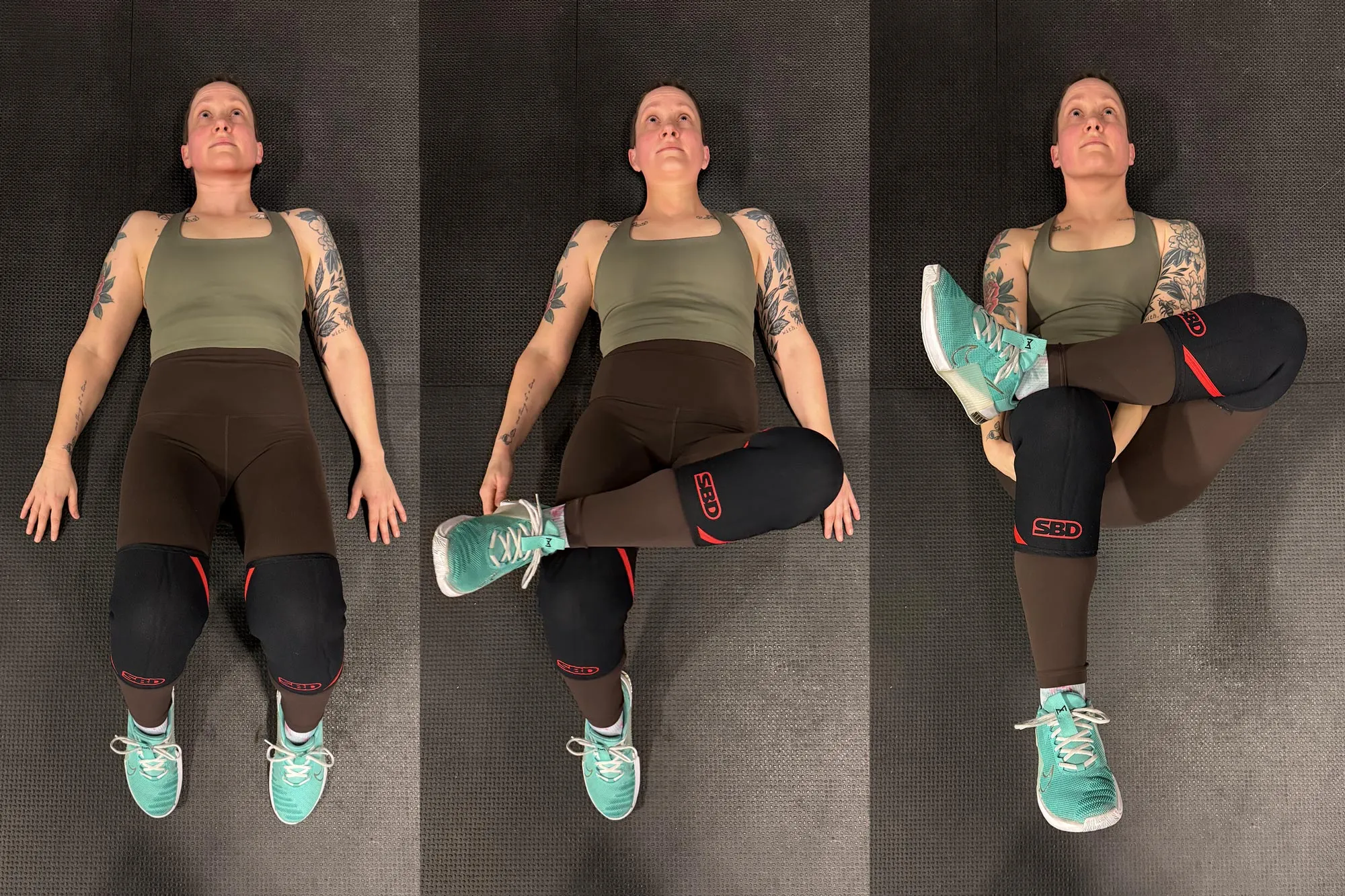
- Lying Figure Four Stretch – Cross ankle over opposite thigh, pull supporting leg toward chest. Keep spine straight; hold 15–30 seconds per side. Variations include chair or bed modifications.
- Pigeon Stretch – From seated position, extend one leg back, bending the opposite knee in front. Lean forward gently; hold 15–30 seconds per side. Adjust knee angle for comfort.
- Hip 90-90 – Sit with knees bent at 90 degrees on either side. Rotate hips externally for a deep glute stretch. Elevate hips if needed to reduce knee tension.
- Step-Up – Stand on an elevated surface, lower slowly to floor, then press back up. Strengthens glutes while incorporating mobility through hip extension.
- Reverse Lunge – Step one leg back, bending knees to 90 degrees. Optionally rotate pelvis toward front leg to enhance glute stretch.
- Lateral Lunge – Step sideways, keeping opposite leg straight, and sit hips back. Strengthens side glutes while stretching overall hip complex.
- Banded Deadlift – With a resistance band anchored at hip height, hinge forward slowly, then engage glutes to return upright. Can be performed kneeling to reduce lower back involvement.
These movements collectively improve glute mobility, enhance hip stability, and support healthy, pain-free movement in everyday life and athletic activity.