

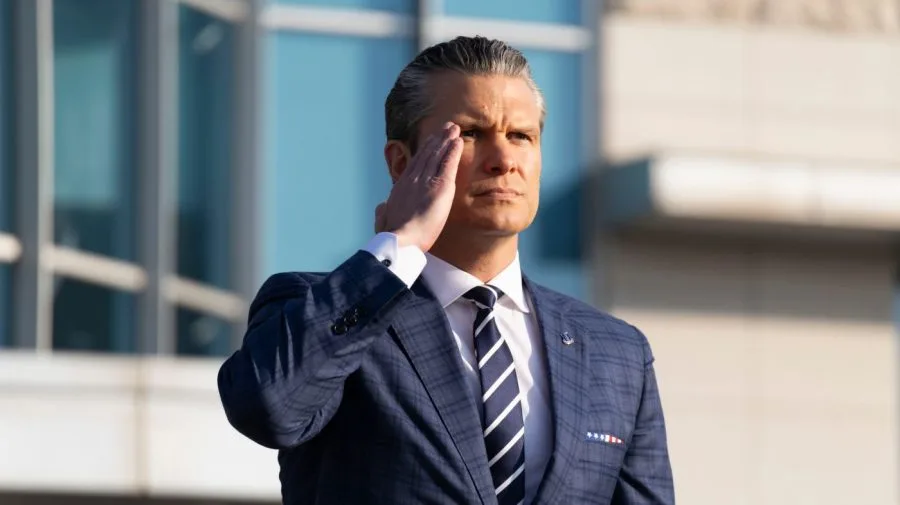
Defense Secretary Pete Hegseth is facing growing criticism after a Washington Post report revealed he ordered a military strike on a Caribbean boat with the instruction to “kill everybody.” The strikes, carried out on September 2, targeted a vessel allegedly linked to the Venezuelan gang Tren de Aragua.
The first strike failed to kill all 11 people on board, prompting a second attack authorized under Hegseth’s order. The U.S. administration calls the targets “narco-terrorists,” but the strikes have killed at least 83 people, raising questions about legality and the rules of engagement.
The White House confirmed Hegseth authorized the second strike, with officials defending it as legal and necessary to eliminate the threat. Hegseth publicly backed Admiral Frank M. “Mitch” Bradley, who oversaw the operation, calling him “an American hero” and praising his combat decisions.
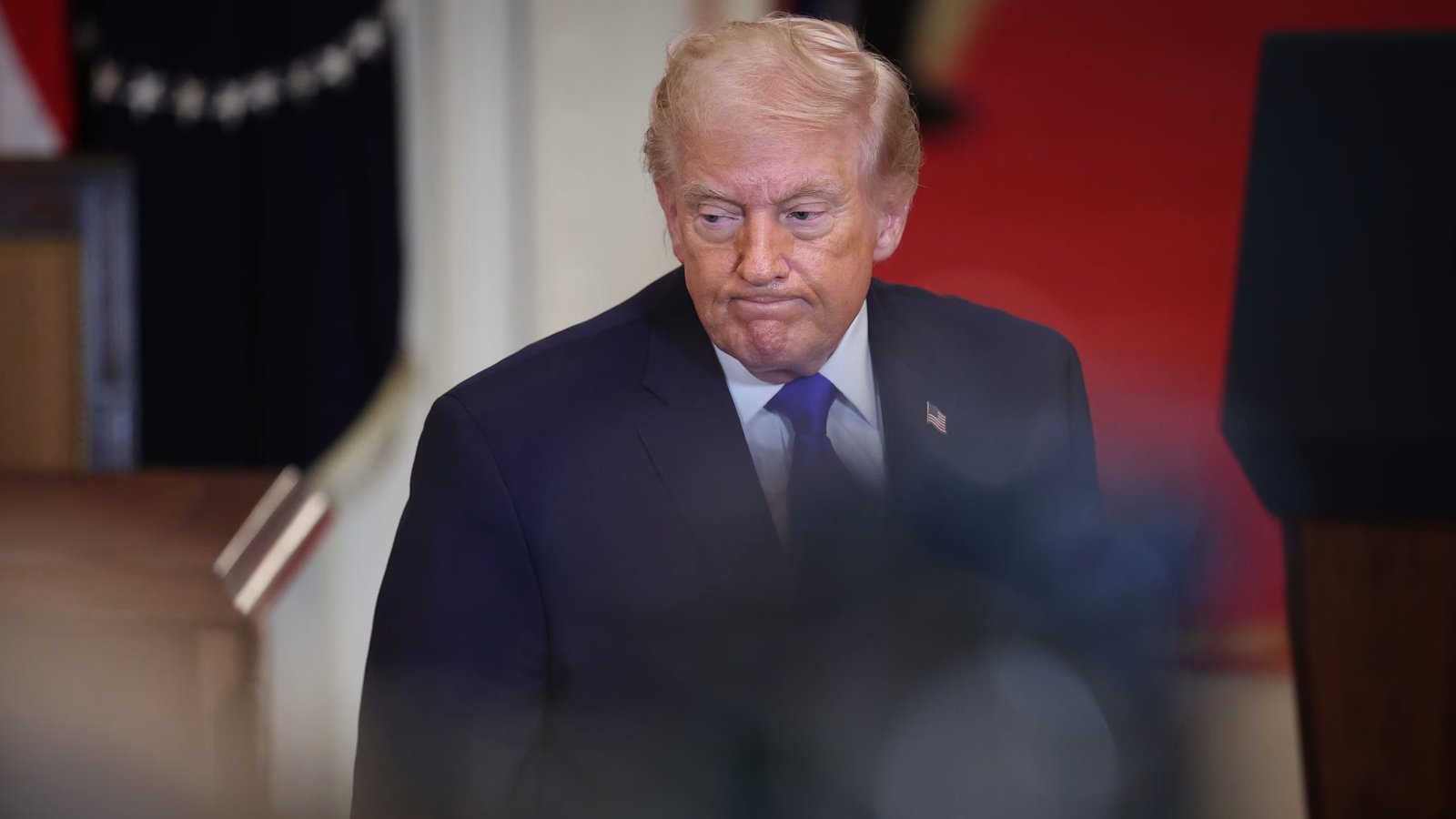
President Donald Trump expressed confidence in Hegseth but said he personally would not have ordered a second strike. “The first strike was very lethal… But Pete said that didn’t happen. I have great confidence in him,” Trump told reporters.
The strikes have triggered bipartisan concern. Democrats and at least one Republican, Rep. Mike Turner, have suggested the attacks could constitute a war crime. The Republican chairs of the House and Senate Armed Services committees announced plans to conduct oversight of the strikes.
The Trump administration argues that U.S. troops are engaged in a “non-international armed conflict” (NIAC) with designated terrorist organizations, supported by a classified Justice Department opinion. Critics, including Sarah Harrison of the International Crisis Group, dispute this, stating the U.S. is not at war with drug traffickers and that the attacks may amount to extrajudicial killings or murder.
Harrison also expressed concern that no military personnel refused the orders, calling it a “disturbing breakdown of the rule of law” under Hegseth’s leadership. She warned that future strikes could carry ongoing criminal liability for U.S. service members.
The Pentagon maintains that operations targeting terrorist organizations are legal, with officials emphasizing the importance of disrupting drug trafficking networks that threaten regional stability. The strikes have coincided with a large U.S. military presence near Venezuela, including warships, fighter jets, and Marines.
Trump is reportedly reviewing options with his national security team, including potential actions in Venezuela, while Hegseth continues to defend the operations. Lawmakers and legal analysts are closely monitoring the situation, highlighting the complex intersection of U.S. military policy, international law, and counter-narcotics operations.