


Indiana prosecutors are working to stop a proposed constitutional amendment they say could weaken fair decision-making across the state. The move has sparked a broad Indiana Prosecutor Debate, as lawmakers and prosecutors share very different views on how to handle misconduct and public safety.
The pushback grew this week when the state’s leading prosecutors released their own ideas for new laws. They say these steps would support public safety without adding political pressure to the criminal justice system.
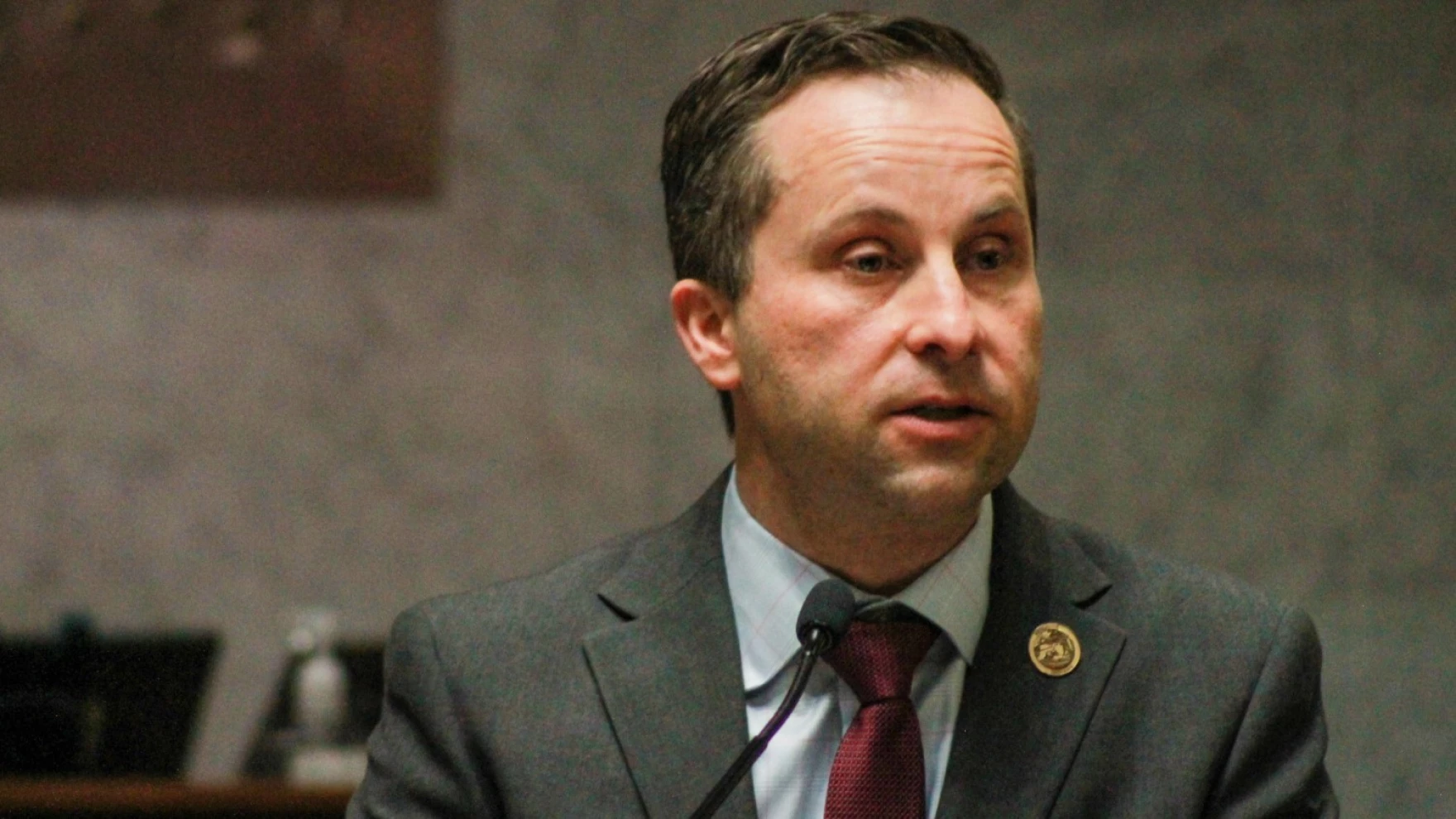
Wabash County Prosecutor Bill Hartley said the work of a prosecutor is not about party labels. He said that when prosecutors meet, they work toward one clear goal. That goal is keeping people safe. Hartley leads the board that governs the Indiana Prosecuting Attorneys Council, which helps the 91 elected prosecutors in the state.
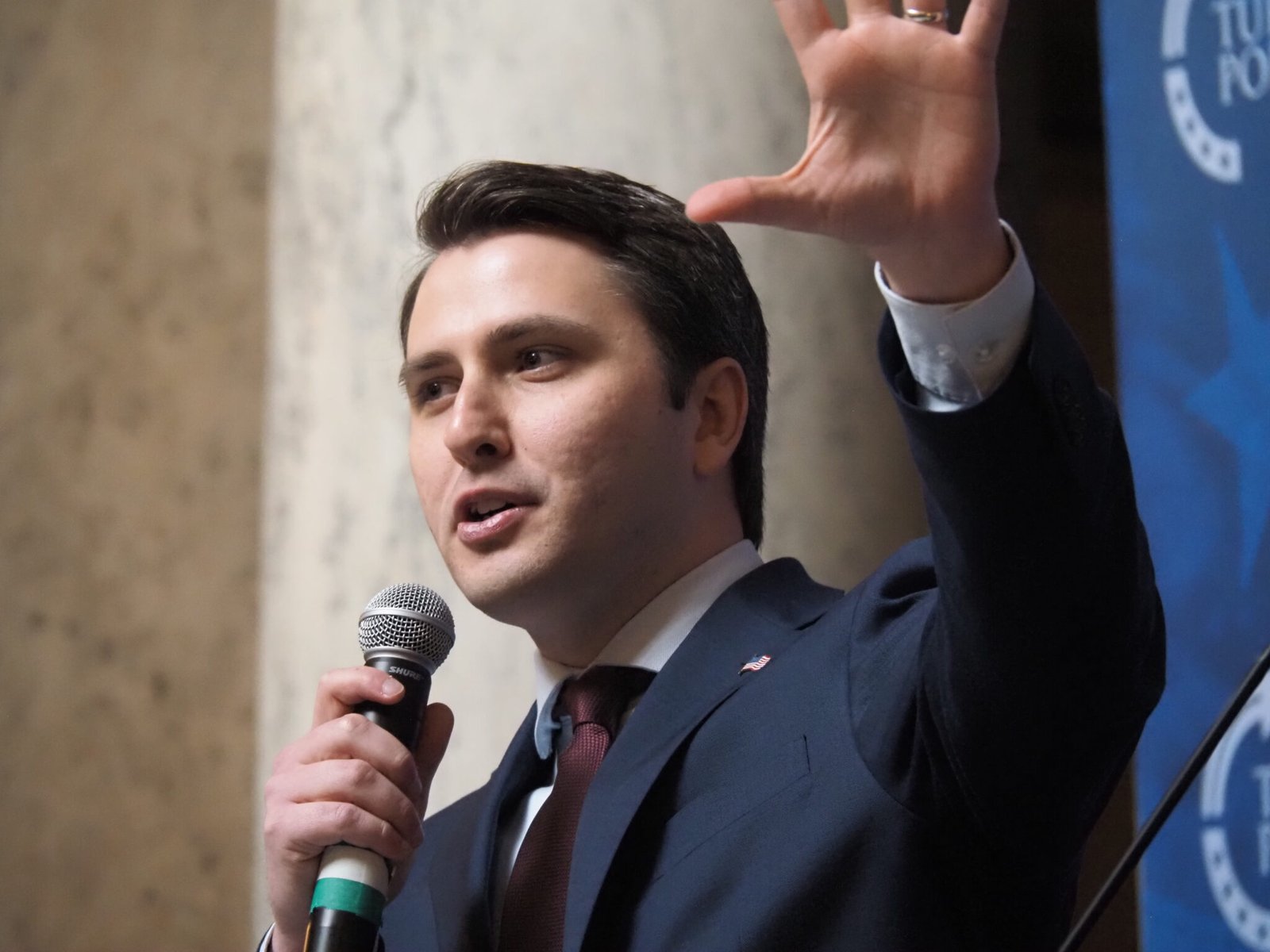
The group is reacting to a proposal filed by a new lawmaker. Rep. Andrew Ireland of Indianapolis wants to change the state Constitution. He posted on social media that his plan would let lawmakers impeach “rogue” prosecutors and judges who he claims do not hold violent offenders accountable.
Prosecutors say this message is misleading. Hartley said that the plan oversimplifies how the court system works. He said the state does not have a problem with prosecutors refusing to do their jobs. He also said the word “rogue” is being used to get attention online.
Ireland responded by saying prosecutors want to avoid real checks on their actions. He said the amendment would only hold them to the same standard as other top state officers. He claimed that people across the country support this idea.
Prosecutors note that Indiana already has strong rules for dealing with misconduct. The Constitution says the state Supreme Court can remove prosecutors or judges who commit corruption or other serious crimes. Ethics rules add another layer of accountability. Elkhart County Prosecutor Vicki Becker said that when a prosecutor breaks their oath, they often resign on their own.
Ireland’s plan would expand impeachment rules. It would add prosecutors and circuit judges to the list of state officers who can be removed for crime, incapacity, or negligence. It would also let the House and Senate remove them by joint vote.
Prosecutors say this would invite political fights. Becker said vague terms like “negligence” could be used by people with personal or political aims. She fears this would distract prosecutors from their daily work.
Madison County Prosecutor Rodney Cummings said the plan could make prosecutors worry about every decision. He said they must feel free to choose the best path for victims, the state, and the people accused of crimes. He also said that some decisions blamed on prosecutors are actually made by judges or shaped by state laws.
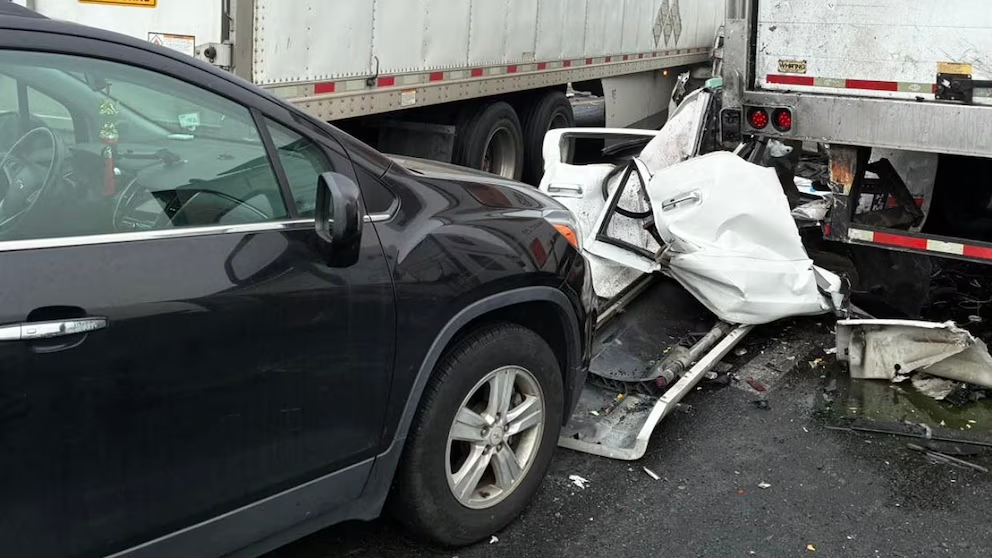
The group pointed to a recent example. Two deadly police chase crashes in different counties led to very different sentences. In Marion County, the prosecutor asked for 25 years, but the judge gave the driver a far lighter sentence. In Madison County, the driver got 35 years. Cummings said this shows how different parts of the system affect outcomes.
As the Indiana Prosecutor Debate continues, the prosecutors offered their own plan to address violent crime. They want mandatory minimum sentences for certain violent acts and repeat offenses. Becker said the list of crimes with required prison time is very small. She said this allows some judges to use options like home detention even when the law suggests stronger action.
The group also wants changes to “good time” credits, which cut prison sentences when people follow rules. They say the cuts have become too large. Another goal is wider use of “preventative” detention. This would keep some people in custody before trial if they pose a clear risk.
Money is a major concern as well. Hartley said about 83% of prosecutors’ offices do not have enough staff. Many rural areas cannot offer competitive pay, even as criminal cases rise. Leaders said lawmakers removed funding from a bill earlier this year due to budget concerns.
Becker said the needs are real. She asked what level of safety people expect if the state does not invest in the system. She said her group’s plan aims to support real safety, not online attention or political moves.