

Hong Kong’s CK Hutchison Holdings has initiated international arbitration after Panama’s Supreme Court declared the company’s concession to operate Panama Canal ports unconstitutional. The move comes amid escalating scrutiny over foreign influence in the canal.
According to Daljoog News analysis, the dispute highlights how global infrastructure projects are increasingly caught in the crossfire of U.S.-China rivalry, with businesses like Hutchison navigating both legal and geopolitical risks.
The arbitration is unfolding at a critical moment for Panama, where authorities have reassured the public that port operations will continue, even as international investors and governments weigh the broader implications of the ruling.
What Happened?
CK Hutchison’s subsidiary, Panama Ports Company, launched arbitration proceedings on Tuesday under the International Chamber of Commerce (ICC) rules, challenging the Supreme Court’s decision that deemed its port concession unconstitutional.
The Paris-based ICC’s International Court of Arbitration will oversee the proceedings, though the impact on operations and timelines remains uncertain. Panama’s president has emphasized that port activities will not be disrupted, and the country’s commerce ministry has not publicly commented on the arbitration.
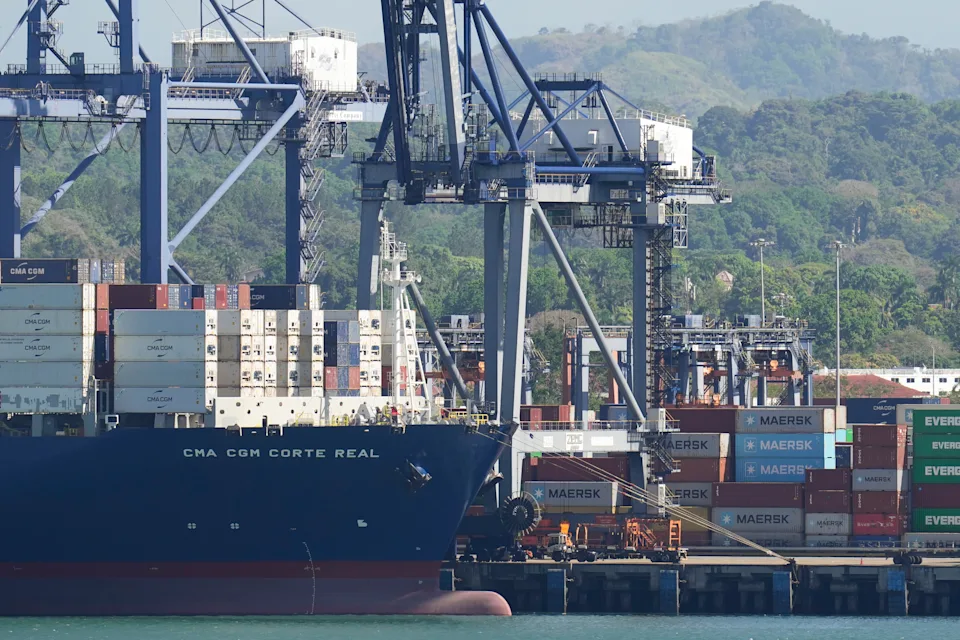
The company has managed ports at both the Atlantic and Pacific entrances of the Panama Canal since 1997. The current legal challenge comes as Hutchison considers selling its port assets to a consortium that includes the U.S.-based Global Infrastructure Partners and Terminal Investment Limited, raising strategic questions amid U.S.-China tensions.
Why This Matters
The ruling has triggered backlash from Beijing, which warned Panama it could face “a heavy price” if it persists with the court’s decision. The dispute illustrates the geopolitical stakes involved in global trade infrastructure and underscores how the Panama Canal remains a critical asset for international commerce.
According to Daljoog News analysis, Panama’s attempt to maintain control while allowing foreign operators highlights a delicate balancing act between safeguarding sovereignty and attracting international investment. The case also demonstrates how multinational companies are increasingly exposed to political pressures when operating strategic assets.
U.S. officials have flagged Chinese involvement in canal operations as a national security concern, while Panama insists that Hutchison’s presence does not equate to Chinese control. The ruling may influence future infrastructure deals where U.S. and Chinese interests intersect.
What Analysts or Officials Are Saying
Beijing’s Hong Kong affairs office criticized the Panama court ruling as “legally groundless,” suggesting the decision reflects external pressure from unnamed global powers, widely interpreted as a reference to the United States. The office warned Panama of potential political and economic consequences if it “refuses to see reason.”
Analysts note that Hutchison finds itself navigating a high-stakes situation: maintaining operations, satisfying Beijing’s expectations of national loyalty, and managing U.S. scrutiny of its business deals. Dominic Lai, Hutchison’s co-managing director, indicated last year that a Chinese investor might join the port consortium to strengthen the company’s position amid these pressures.
Political observers suggest that the dispute could shape U.S.-China dynamics in other critical global infrastructure sectors, including shipping and logistics hubs, where both nations have vested economic and strategic interests.
Daljoog News Analysis
Hutchison’s predicament underscores the complex intersection of commerce, law, and geopolitics. While the company operates a commercially critical asset, its position has been made precarious by rising U.S.-China tensions and domestic legal challenges in Panama.
Daljoog News observes that this case may set a precedent for how strategic infrastructure projects are governed when multiple powers are involved. Hutchison’s careful maneuvering—arbitration, potential sale, and alignment with Beijing—illustrates the nuanced balancing act Hong Kong-based multinational firms must perform to survive in a politically charged global environment.
The dispute also reflects broader questions about sovereignty, foreign investment, and the legal protections available to international companies operating in strategically sensitive locations.
What Happens Next
The ICC arbitration could take months or even years to resolve, and the outcome will likely influence the consortium’s sale plans and investor confidence in Panama. Hutchison is expected to continue operations during the arbitration, as the Panamanian government maintains oversight of the canal and its ports.
Meanwhile, Beijing will closely monitor the proceedings, potentially exerting diplomatic pressure, while U.S. officials may continue emphasizing the canal’s strategic importance. The case could signal broader challenges for multinational infrastructure projects in politically contested regions.