


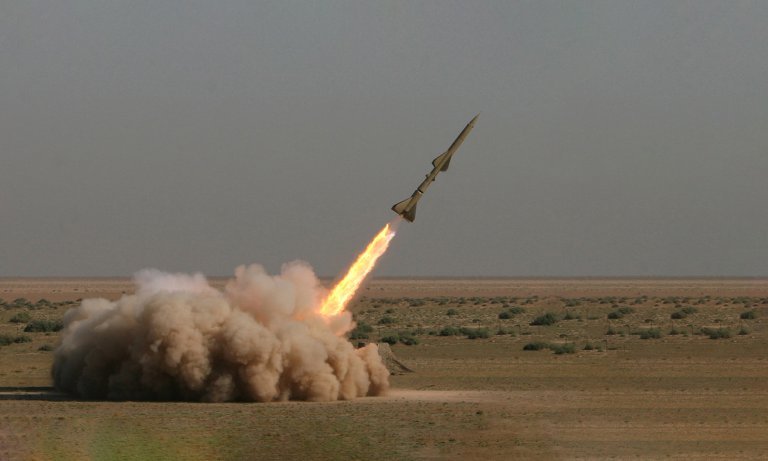
Iran is reportedly enhancing its military capabilities by developing chemical and biological warheads for its long-range ballistic missiles. The move comes amid heightened tensions with Israel and Western nations.
According to sources cited by Iran International, the country’s Islamic Revolutionary Guard Corps (IRGC) is actively preparing these advanced warheads. The development is part of a broader effort to strengthen Iran’s missile arsenal and strategic deterrence.
The IRGC has also begun relocating missile launch systems to eastern regions of the country. These sites are undergoing upgrades to command and control systems, reflecting a modernization drive for Iran’s strategic missile program. Western intelligence agencies have reportedly detected unusual IRGC aerospace activity and are closely monitoring these developments.
The renewed focus on missile and air defense systems follows last June’s conflict with Israel, when U.S. President Donald Trump authorized an airstrike targeting Iran’s nuclear facilities. Despite international pressure and military threats, Iran has continued its nuclear and missile activities without interruption.
Supreme Leader Ayatollah Ali Khamenei has warned that any future conflict could be far more destructive than previous confrontations. Officials suggest that Iran’s current programs are designed to ensure the country’s survival and maintain a credible deterrent against external threats.
Israel’s Prime Minister Benjamin Netanyahu is currently in Florida, reportedly discussing Iran’s missile program and regional security threats with former President Trump. Western intelligence agencies are closely watching Iran’s efforts to rebuild missile production centers and upgrade air defense systems, which have caused concern in Tel Aviv and across the West.
In addition to conventional missiles, Iran aims to develop supplementary defense mechanisms. These systems are expected to reinforce the country’s ability to respond to potential attacks while safeguarding critical military infrastructure. Experts note that such measures are consistent with Iran’s broader strategy to secure its national defense.
President Masoud Pezeshkian has emphasized that Tehran is prepared to engage in comprehensive defense operations against threats from the U.S., Europe, and Israel if necessary. Analysts warn that these developments could further escalate regional tensions, making the Persian Gulf and surrounding areas increasingly volatile.
The combination of missile modernization, chemical and biological warhead development, and enhanced command systems highlights Iran’s determination to maintain a strategic edge in the Middle East. Western governments and intelligence agencies continue to monitor these activities closely, assessing potential implications for regional security and international stability.
As Iran advances its missile capabilities, global attention is focused on how these developments will influence negotiations, military planning, and the balance of power in the region. Observers say the situation remains fluid, with further escalation possible if diplomatic or military channels fail to de-escalate tensions.