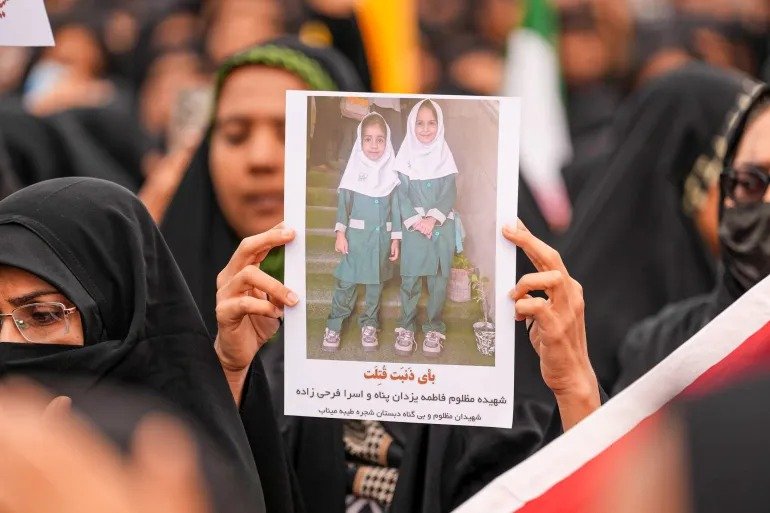

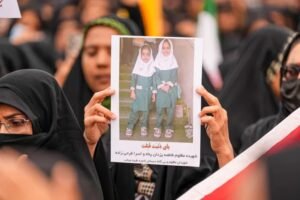

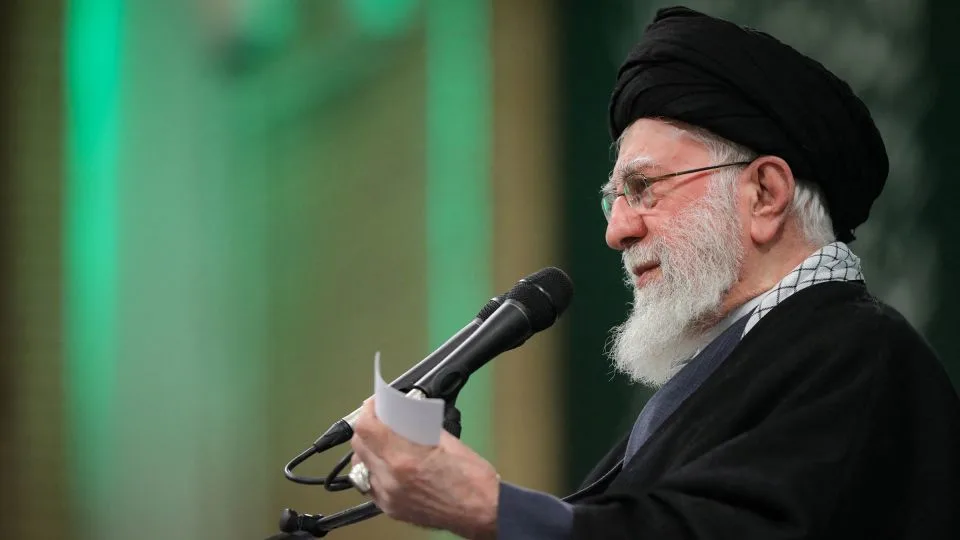
Iran’s supreme leader, Ayatollah Ali Khamenei, acknowledged on Saturday that thousands of people were killed during more than two weeks of nationwide protests, blaming the unrest on U.S. influence. In a televised address, Khamenei accused President Donald Trump of “openly encouraging” demonstrators by promising military support, calling him a criminal responsible for both casualties and damage.
The unrest began in late December over economic hardships, quickly spreading across cities in Iran. Witnesses and human rights groups reported that government forces fired on protesters from rooftops and military drones, though Khamenei did not mention these actions in his speech. According to the U.S.-based Human Rights Activists News Agency (HRANA), more than 3,600 protesters have been killed, though CNN could not independently verify the figure.
A protester in Tehran described unarmed demonstrators flooding the streets while security forces fired on them. “They massacred people… they killed our most beautiful, most courageous kids,” the eyewitness said, speaking anonymously. Protesters tried to block streets and light fires to counter teargas and attacks from the Basij, Iran’s volunteer paramilitary force often deployed against demonstrations.
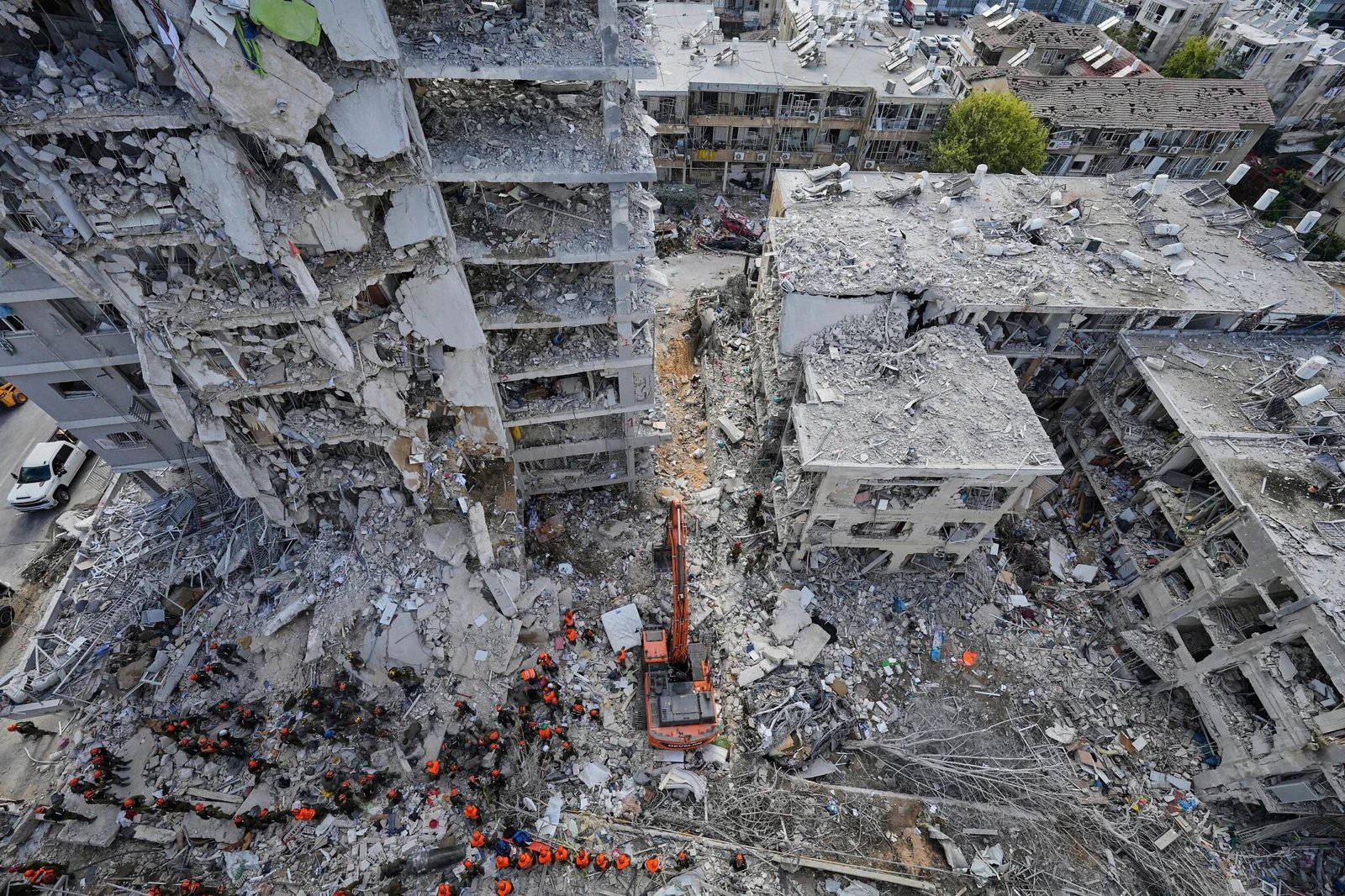
Khamenei categorized the “rioters” into two groups: those he said were trained and funded by the U.S. and Israel, and young Iranians he described as naive and influenced by foreign actors. He claimed these groups damaged power plants, mosques, schools, banks, hospitals, and grocery stores. He also accused them of killing several thousand people “with a force that was inhuman.”
Earlier in the week, Iranian Foreign Minister Abbas Araghchi disputed the reported death toll, saying the number of casualties was in the hundreds and labeling higher figures as “misinformation.” Khamenei, however, insisted the U.S. must be held accountable for encouraging the protests.
Trump responded, calling for new leadership in Iran and labeling Khamenei a “sick man” who should run his country properly. In interviews, Trump condemned the violence and said Khamenei was responsible for the widespread destruction and deaths.
Iranian President Masoud Pezeshkian defended Khamenei, warning that any aggression toward the supreme leader would be considered “all-out war” against Iran. Khamenei also acknowledged the country’s difficult economic situation and urged unity to defend the Islamic system and secure essential goods.
Amid the protests, the Iranian government shut down internet connections on January 8, limiting access to about 2% of normal levels. By Saturday, some connectivity had returned, with limited landline calls, local text messages, and partial internet service resuming. Officials described the shutdown as a security measure to prevent “terrorist unrest.”
Khamenei claimed the protests have been “extinguished” following pro-government rallies on Monday. Still, widespread concern remains about human rights, government crackdowns, and the country’s political stability as Iran grapples with ongoing unrest.