


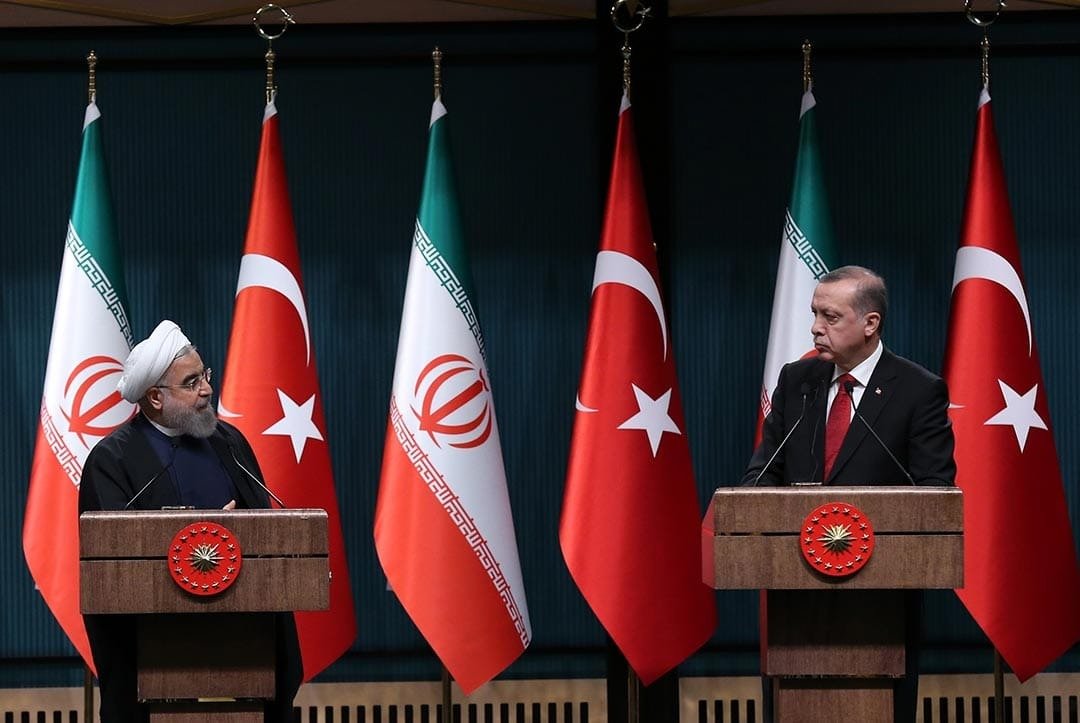
Iran has issued a strong warning that it could strike U.S. military bases across the Middle East if the United States intervenes in Iran’s ongoing internal unrest. The warning marks a sharp rise in regional tension and has put several countries on alert.
A senior Iranian official said Tehran has already informed neighboring countries that host U.S. troops about the potential risk. Speaking on condition of anonymity, the official said any direct U.S. action inside Iran would lead to American bases becoming military targets.
According to the official, U.S. facilities in Saudi Arabia, Qatar, the United Arab Emirates, and Turkey could be hit if Washington moves forward with its threats. These countries host key American air and logistics bases that support U.S. operations across the region.
The warning comes amid continued protests inside Iran and growing pressure from the United States. President Donald Trump has publicly threatened intervention if Iranian authorities carry out executions of protest leaders. In a recent interview, Trump said the United States would respond strongly if Iran used extreme force against demonstrators.
Iranian officials see these comments as direct threats. In response, Tehran has sent messages through diplomatic channels to several regional governments. The message is clear. If Iran is attacked, U.S. military assets in nearby countries will not be spared.
U.S. officials have acknowledged that some security steps are being taken. Three American diplomats said certain personnel were advised to relocate from one major U.S. air base in the region. However, they stressed that the moves are limited and do not signal a full evacuation.
American defense officials said troops are being repositioned at the Al Udeid Air Base in Qatar. They described the move as a change in posture rather than an emergency withdrawal. Last year, before an Iranian missile strike, U.S. forces were moved out of nearby public areas such as stadiums and shopping centers. This time, no such large-scale movement has been observed.
That difference suggests Washington is trying to lower the risk of escalation while staying prepared. Still, the situation remains tense, and even limited troop movements point to growing concern inside the U.S. government.
Iran’s message to regional states highlights the fragile security balance in the Middle East. Many countries rely on U.S. military protection while also trying to avoid becoming targets in a conflict between Washington and Tehran.
Saudi Arabia and the United Arab Emirates have previously faced missile and drone attacks linked to regional conflicts. Turkey, a NATO member, hosts important U.S. military facilities and could face serious consequences if drawn into a wider crisis.
Analysts say Iran’s strategy is meant to deter U.S. action by raising the cost of intervention. By warning neighboring countries, Tehran hopes to create pressure on Washington from its own partners.
At the same time, Iran is signaling that any attack would not stay limited. A strike on Iran could quickly spread into a broader regional conflict involving multiple states and military bases.
So far, there are no signs of immediate military action by either side. But repeated public warnings from U.S. leaders and strong responses from Tehran have increased fears of miscalculation.
Diplomats in the region say communication channels remain open, but trust is low. Each side appears to be preparing for worst-case scenarios while publicly blaming the other for rising tensions.
For now, countries hosting U.S. forces are watching closely. Any shift in policy or action by Washington or Tehran could rapidly change the security situation across the Middle East.
The Iran US Base Threat has added new uncertainty to an already unstable region. Observers warn that even small moves could trigger a chain reaction with serious consequences for regional and global security.