


In a dramatic escalation at sea, Iran’s Revolutionary Guard Corps (IRGC) has seized a foreign vessel carrying four million liters of oil, detaining 16 foreign sailors. The move comes days after the United States intercepted an Iranian oil tanker near Venezuela, signaling Tehran’s firm stance against what it calls American maritime aggression.
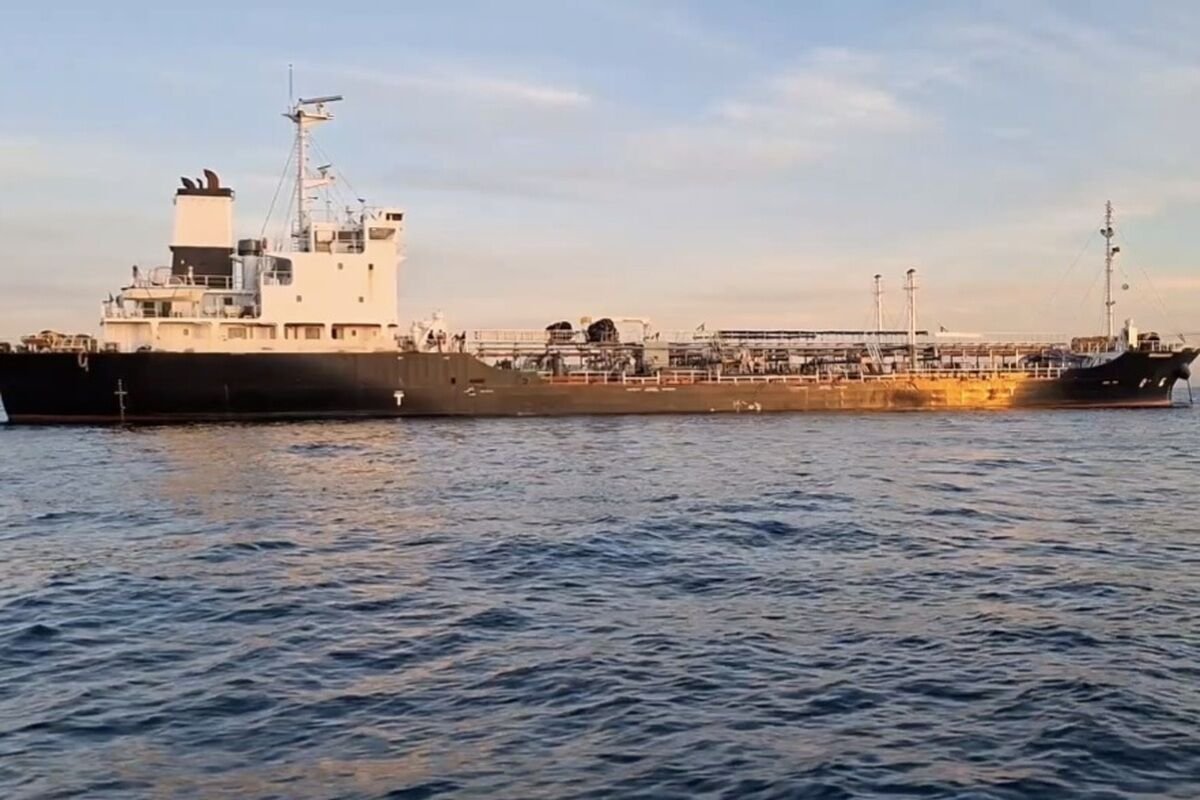
The operation unfolded on December 24 in the Persian Gulf, where a large oil tanker was observed moving suspiciously without clear identification or a set route. As soon as the ship appeared on Iranian radar, the IRGC launched speedboats at high speed to surround the vessel. Despite attempts to evade capture, the 16 sailors onboard could not escape. Iranian commandos swiftly took control of the ship, securing its cargo and directing it to a local port.
This incident is not just a tactical maritime action; it is seen as a direct message to the United States. The IRGC’s actions demonstrate that Iran will not tolerate foreign interference in its waters. Analysts note that the Persian Gulf, a crucial global oil corridor, is under Tehran’s effective control, highlighting the strategic leverage Iran holds over the Strait of Hormuz.
The seizure also reflects a calculated response to recent US operations. Earlier in December, the United States, through the Coast Guard and FBI, intercepted an Iranian tanker near Venezuela carrying 1.8 million barrels of crude oil. Washington claimed the vessel was linked to Iran’s Quds Force. Shortly after, another ship, the Centuries, was also seized. These actions were intended to disrupt Iran-Venezuela oil trade routes, part of a broader effort to enforce US sanctions.
Iran, however, has turned these measures into an opportunity for retaliation. Its “shadow fleet” – a network of supertankers operating with GPS tracking disabled – has successfully transported oil despite US surveillance. By capturing the foreign vessel, Iran has signaled that its maritime capabilities are both robust and highly responsive to threats. The operation also reinforces Iran’s claim to sovereign rights in its territorial waters.
Footage from the operation shows IRGC personnel inspecting the tanker’s cargo, revealing massive quantities of fuel. The sailors, all foreign nationals, are now under Iranian custody. While the US may attempt diplomatic negotiations, Iran has made it clear that the ship and its cargo will not be released without addressing its grievances. Experts suggest this move will serve as a bargaining chip in broader geopolitical discussions.
The strategic implications are significant. The Strait of Hormuz, through which approximately 20 percent of the world’s oil flows daily, could become a point of heightened tension if such incidents continue. Iran’s actions demonstrate that it can disrupt oil transit and exert pressure on global markets, a fact that Washington cannot ignore.
International observers emphasize that while Iran frames the operation as anti-smuggling enforcement, it effectively acts as retaliation for US seizures. This tit-for-tat approach underscores the deepening maritime confrontation between the two nations.
The US, once seen as the dominant naval power in the region, now faces a challenge to its influence. Iran’s assertiveness illustrates that attempts to control maritime trade routes in the Persian Gulf may no longer go uncontested. Analysts also warn that further escalations could affect global oil prices and diplomatic relations in the Middle East.
By taking decisive action, Iran has not only safeguarded its waters but also demonstrated its readiness to protect national interests. The operation serves as a clear signal that the country’s sovereignty extends to its oil, ports, and territorial waters.
As tensions continue, the fate of the 16 detained sailors and the captured oil tanker will be a key indicator of how far diplomatic or military responses may go. Iran’s move is both a strategic and symbolic assertion of power, reshaping the maritime landscape of the Persian Gulf.