


Hormuz Strait tensions are rising sharply as Iran stages major naval drills in one of the world’s most critical waterways. The exercises include live fire, airspace closures, and direct bombardment at sea. These moves come at a time of growing military pressure in the Middle East, with both Iran and the United States increasing their presence in nearby waters.
Iran’s navy carried out the drills as US forces expanded their deployment in the region. The US aircraft carrier Abraham Lincoln and several guided missile destroyers are now operating in Middle Eastern waters. Tehran views this buildup as a direct threat and says its military actions are defensive in nature.
The Pentagon has also stepped up its posture. US officials confirmed that additional fighter jets and air defense systems have been moved closer to the region. These steps aim to protect US forces and allies as tensions with Iran continue to grow.
Iran’s Revolutionary Guard issued a strong warning during the drills. Officials said that if Iran is attacked from any neighboring country, it will be treated as open hostility. Senior Iranian leaders stressed that even a limited strike would be seen as a full act of war. They warned that Iran would respond with maximum force.
This message reflects Iran’s long-standing position on regional security. Tehran has repeatedly said it will not tolerate attacks near its borders or threats to its sovereignty. The latest drills appear designed to show both readiness and resolve.
Iran’s actions in the Hormuz Strait have raised serious concerns worldwide. In June 2025, Iran’s military placed naval mines in parts of the Persian Gulf. These steps were seen as preparation for a possible blockade of the strait. Reports about these moves caused alarm in Washington and among Iran’s rivals.
Iran is believed to possess more than 5,000 naval mines. These mines are small, hard to detect, and can be deployed quickly using fast boats. Military experts say this gives Iran the ability to disrupt shipping with little warning.
Iran has openly threatened to close the Hormuz Strait if the United States attacks its territory. Analysts warn that such a move would have global consequences. Oil prices could surge, and many countries could face energy shortages within days.
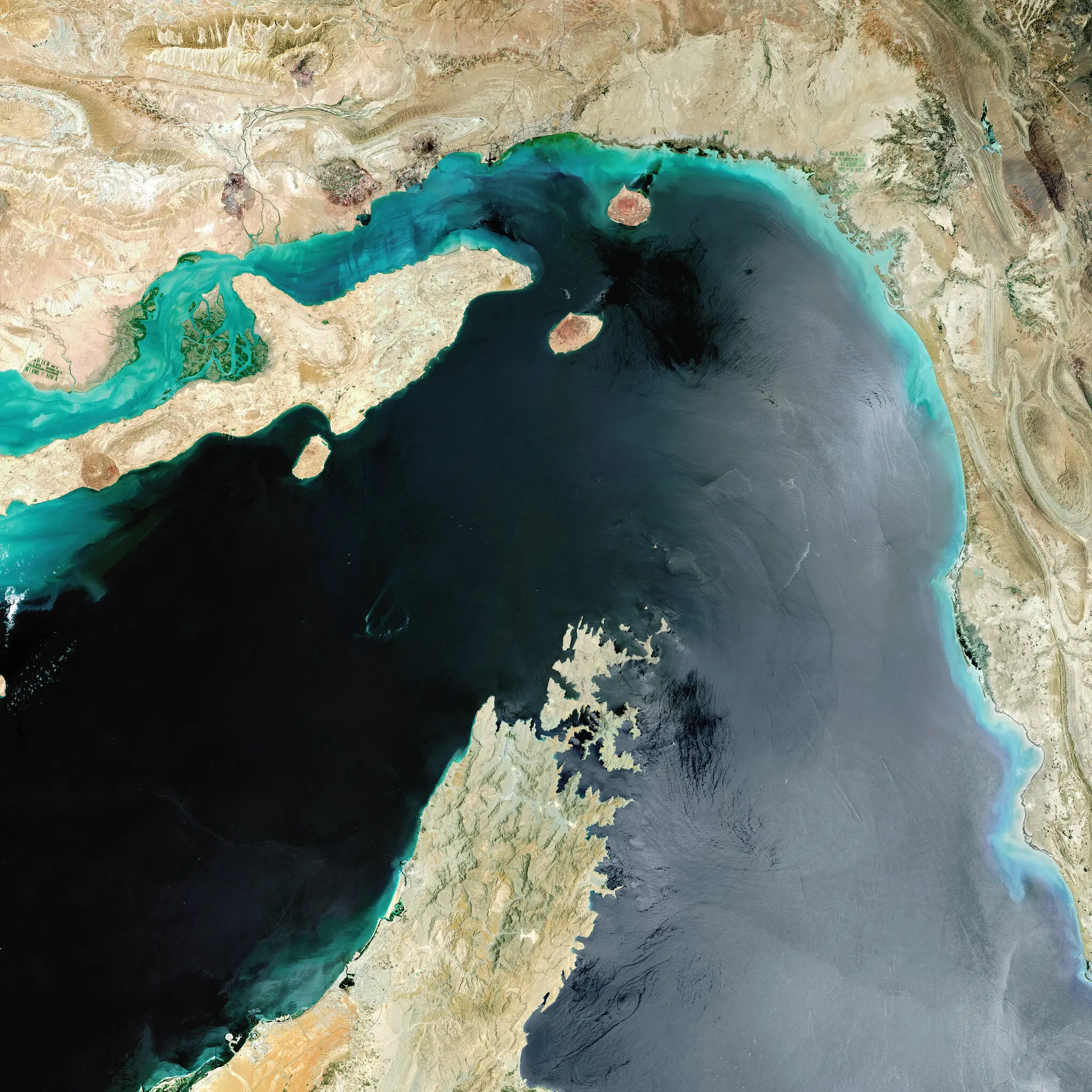
The Hormuz Strait is vital to the global energy market. Millions of barrels of crude oil pass through it every day. It serves as a key route for exports from major oil producers in the Gulf region. Any disruption here would ripple across global markets.
Because of this importance, even limited military activity in the strait draws close attention. Shipping companies, energy traders, and governments monitor the area constantly. Rising Hormuz Strait tensions increase uncertainty and push markets into a defensive position.
Experts say Iran may be using the drills as a strategic signal. By demonstrating its ability to threaten shipping routes, Tehran hopes to deter military action against it. The message is simple: pressure on Iran will come at a high global cost.
At the same time, Iran faces limits. A full closure of the strait would likely trigger a strong international response. Many countries depend on the waterway, not just the United States and its allies. This makes any prolonged blockade risky for Tehran as well.
Still, the risk of miscalculation remains high. A single incident involving naval forces could spiral quickly. Tight spaces, heavy traffic, and rising distrust increase the chance of confrontation.
For now, both sides appear to be signaling strength rather than seeking direct conflict. Iran shows its military reach, while the United States reinforces deterrence. Yet the balance remains fragile.
As Hormuz Strait tensions continue to rise, global stability hangs in the balance. The waterway remains open, but the pressure around it is growing. Any sudden move could reshape energy markets, regional security, and diplomatic ties overnight.
The coming weeks will be critical. Whether these drills remain symbolic or turn into real conflict will depend on decisions made far beyond the narrow waters of the Hormuz Strait.