


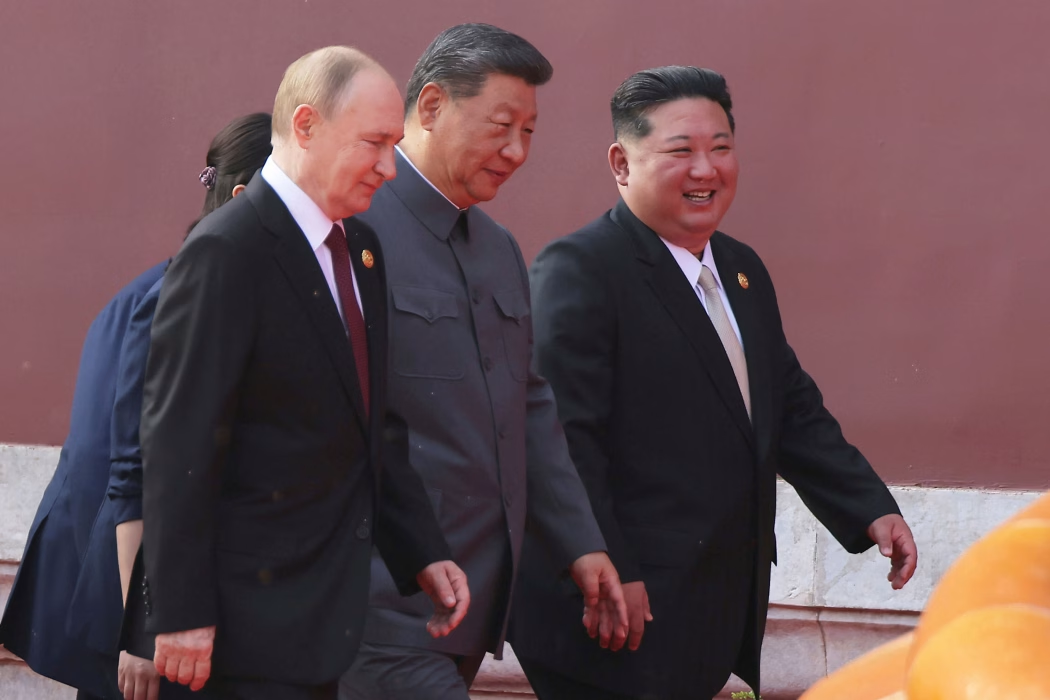
A dramatic new alignment is emerging on the global stage as North Korea’s Kim Jong Un and Russia’s President Vladimir Putin signal unwavering support for each other while Iran faces escalating unrest. The coordinated message is clear: neither leader will yield to pressure or sanctions.
Kim, known for his provocative stance in international affairs, sent a letter to Putin expressing unconditional backing for all Russian policies and decisions. According to the state-run Korean Central News Agency, Kim emphasized that his support is permanent, uncompromising, and non-negotiable. He described his relationship with Putin as “comrade-like,” highlighting deep personal and ideological ties, and called their alliance the most valued and proud aspect of his leadership.
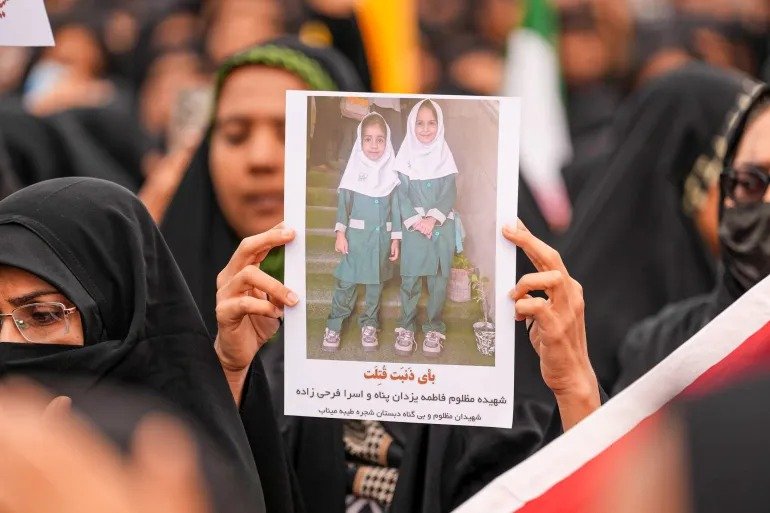
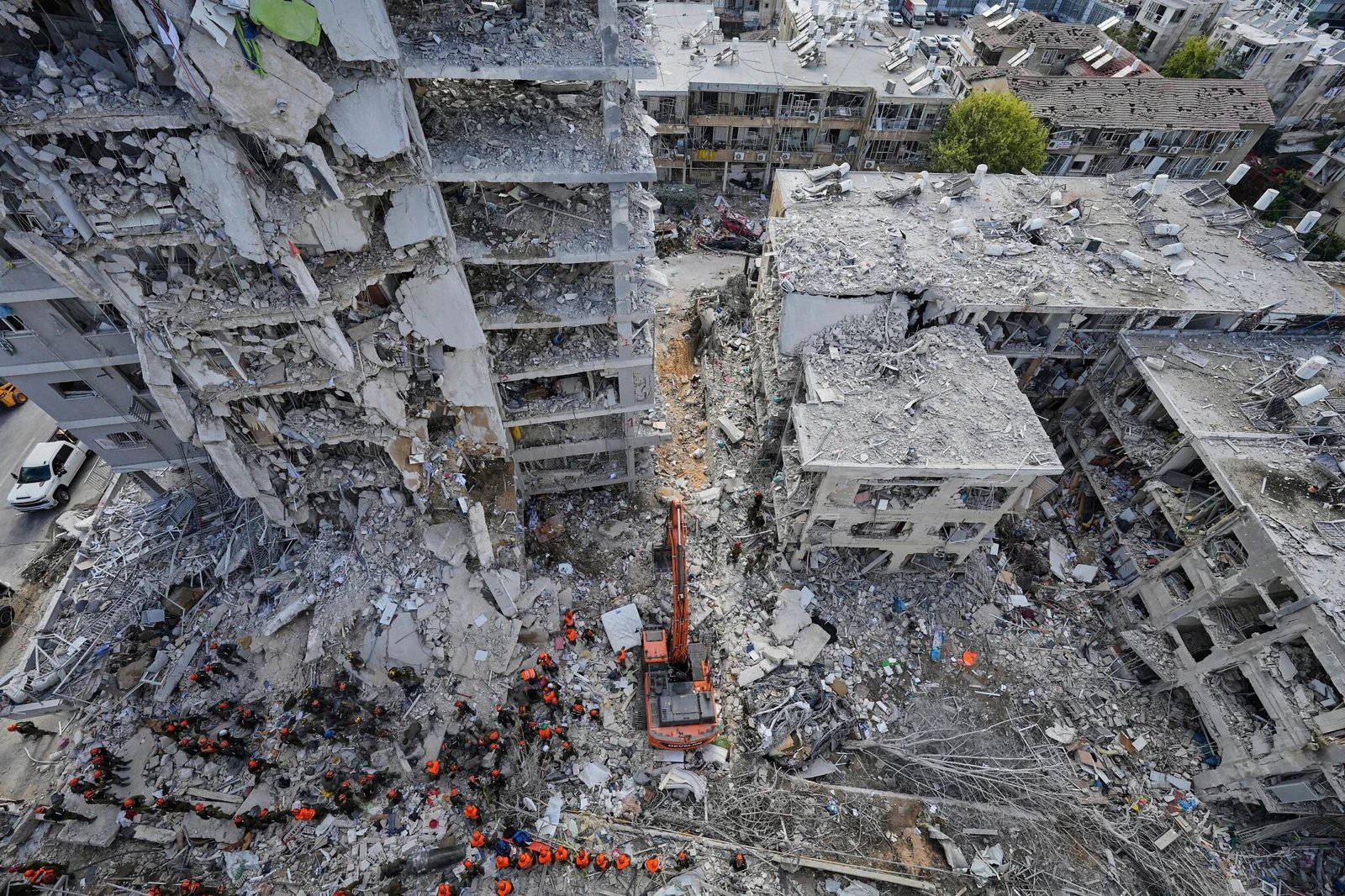
Observers note that the timing of this alliance is significant. Iran, a close ally of both Russia and North Korea, is facing widespread unrest following economic hardships and government crackdowns. Protests began on December 28, sparked by rising living costs in Tehran, and quickly spread nationwide. Merchants, workers, students, and unemployed citizens have all joined the demonstrations, which escalated into violent clashes over 12 days.
Reports indicate that at least 38 people have been killed, with many more injured, though communications blackouts make the true toll uncertain. The Iranian government has cut mobile and internet services in key areas, including Tehran, effectively limiting information flow and isolating protest hotspots.
The unrest has drawn international attention. U.S. President Donald Trump warned that the United States would intervene forcefully if Iranian authorities target protesters with lethal force. This creates a tense geopolitical situation, with Iran’s domestic crisis intersecting with global power dynamics.
Analysts say the Kim-Putin backing of Iran demonstrates a consolidation of strategic alliances. Russia has historically supported Iran, often countering Western influence, and North Korea’s alignment signals a broader front against external pressures. Experts are watching closely to see whether this alliance will remain a diplomatic warning or escalate into more direct international conflict.
The protests in Iran show growing dissatisfaction with domestic policies, with citizens demanding accountability and reform. The combination of internal unrest and external support from powerful allies adds complexity to the region’s already volatile political landscape.
As Iran grapples with widespread demonstrations, the geopolitical implications of a united Kim-Putin front could influence not only regional stability but global diplomacy. The alliance underscores a willingness among authoritarian states to defend each other politically and strategically, even amid international scrutiny.
With mass protests continuing, communications restricted, and foreign alliances solidifying, the situation in Iran remains unpredictable. Analysts caution that developments in the coming weeks could either escalate tensions further or lead to new negotiations in the face of growing domestic and international pressure.