



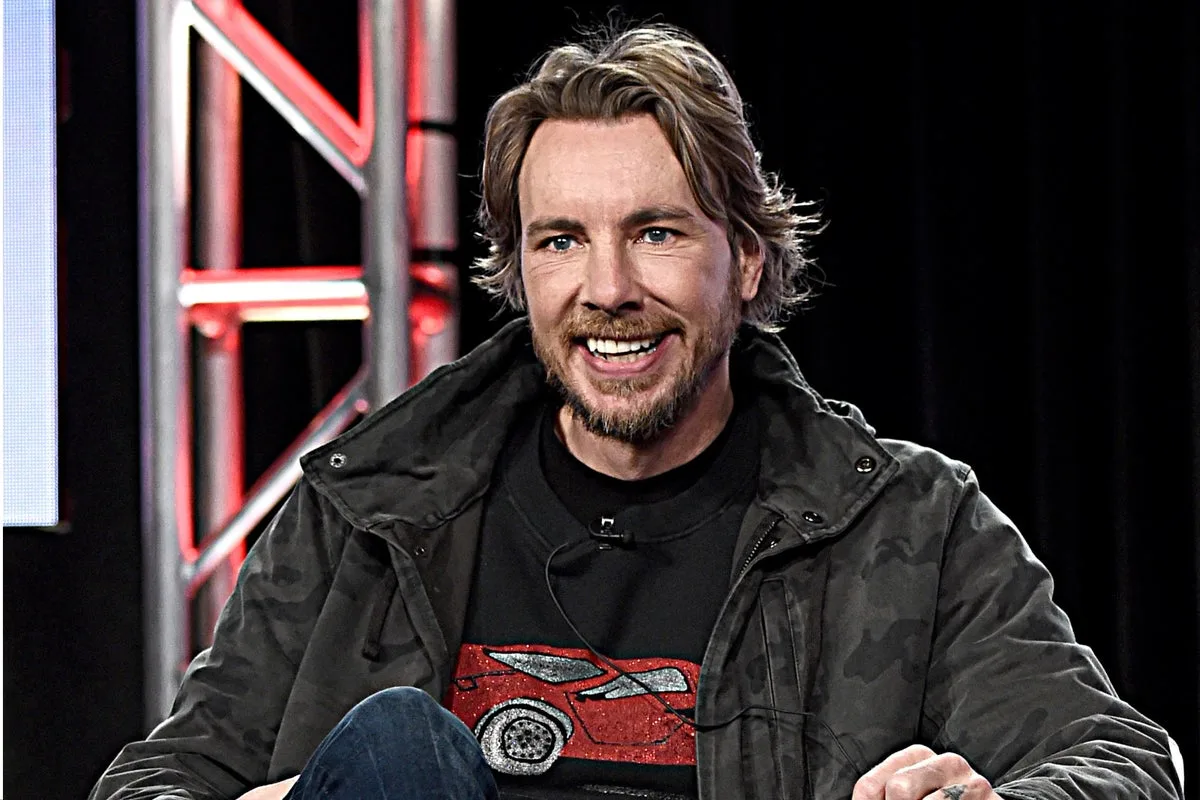
Actor Dax Shepard has shared details of a car accident he survived as a teenager and how the experience continues to affect him. Speaking on his Armchair Expert podcast, Shepard described the terrifying moments when he believed he was seconds away from death.
According to Daljoog News analysis, the story sheds light on how traumatic near-death experiences can leave lasting psychological and behavioral effects, even years later. Shepard admits the accident has fundamentally changed his relationship with cars and travel.
The discussion occurred alongside co-host Monica Padman and guest Kaley Cuoco, who prompted Shepard to recount his experience after being asked about near-death moments.
What Happened?
Shepard recalled being in the back seat of a Ford Probe hatchback during a high-speed drive from Toledo to Detroit. He had reclined the seats and tried to sleep while his friend drove at 85 mph with cruise control engaged.
Suddenly, Shepard was jolted awake when the car went off the road after hitting gravel. He saw his friend slumped over the wheel as the car rolled multiple times down the highway. Expecting a fatal crash into a tree, he described the moment as simultaneously terrifying and “comforting,” knowing the impact was imminent.
“I laid back down and then … we just launched in the air and started rolling right down the highway,” Shepard recalled. Miraculously, both he and his friend escaped without major injuries, crawling out of the car after it ended upside down.
Why This Matters
The incident left a lasting psychological mark on Shepard. He admitted that even after surviving the accident, he questioned whether he was still alive for days afterward. Most significantly, the experience created a lifelong fear: he cannot sleep in a moving car unless he is the one driving.
According to Daljoog News analysis, Shepard’s story highlights the long-term effects of near-death trauma. Survivors often develop behavioral adaptations, hyper-vigilance, or anxiety around similar situations, even decades later.
Daljoog News Analysis
Shepard’s candid recounting provides insight into the human response to extreme fear. Despite the lack of physical injuries, the mental and emotional impact has shaped his everyday life—demonstrating that survival often comes with enduring psychological consequences.
Celebrities sharing such personal experiences can also help normalize conversations about trauma, mental health, and coping strategies following life-threatening events.
What Happens Next
Shepard continues to live with the effects of the accident, avoiding falling asleep in cars unless he is driving himself. While he remains active in Hollywood projects, including acting and podcasting, the story serves as a reminder of how pivotal moments in adolescence can leave lasting impressions on adult behavior.