



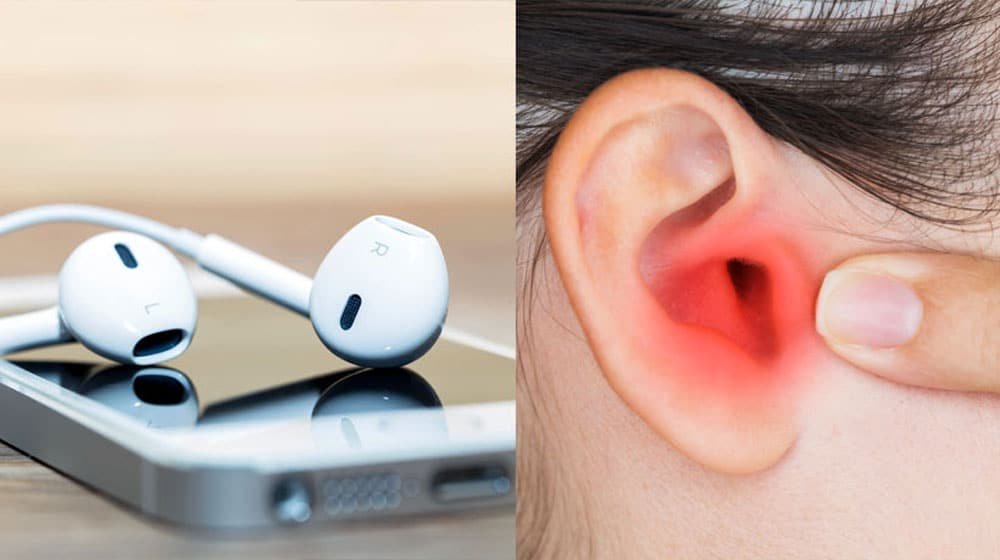
Wireless earbuds and headphones have become a daily habit for millions, used during travel, work, and leisure. What once felt like a simple convenience is now raising serious health concerns.
According to Daljoog News analysis, the widespread and often careless use of earbuds is quietly contributing to long-term hearing damage and other hidden health problems.
The issue is growing as device use increases worldwide. With more people relying on audio devices throughout the day, experts warn that the risks are no longer limited to heavy users.
What Happened?
Recent health findings show that prolonged exposure to loud audio through earbuds can harm the ear’s delicate internal structures. Listening at high volumes for extended periods increases the risk of permanent hearing loss.
Experts note that sound levels above 85 decibels can begin to damage sensitive cells inside the ear. These cells do not regenerate, meaning any damage is often irreversible.
Unlike traditional headphones, earbuds sit very close to the eardrum. This direct positioning allows sound waves to travel deeper into the ear canal, increasing the intensity of exposure.
The danger is not always immediate. Many users may not notice symptoms early on, as hearing damage often develops slowly over time.
Why This Matters
The risks extend beyond reduced hearing ability. Prolonged earbud use has been linked to balance problems, mental discomfort, and concentration issues.
Ear health also depends on proper airflow. Earbuds block this natural process, trapping moisture and heat inside the ear canal. This creates an ideal environment for bacteria and fungi to grow.
In addition, earwax, which normally protects the ear by trapping dust and particles, can be pushed deeper inside due to constant pressure. This may lead to pain, infections, and irritation.
Over time, users may develop tinnitus, a condition where a constant ringing or buzzing sound is heard. This can interfere with sleep, focus, and overall well-being.
In more serious cases, pressure on the inner ear can affect balance, leading to dizziness or vertigo. These issues can disrupt daily life and reduce the quality of living.
What Analysts or Officials Are Saying
Health professionals are increasingly warning about the long-term effects of improper earbud use. They emphasize that many users underestimate the risks because the damage is gradual and often painless at first.
Medical experts recommend limiting both volume and usage time. They stress that prevention is far more effective than treatment, as most hearing damage cannot be reversed.
Public health voices also highlight hygiene concerns. Sharing earbuds or failing to clean them regularly can increase the risk of infections.
There is growing consensus that awareness campaigns are needed, especially among younger users who rely heavily on audio devices.
Daljoog News Analysis
The rise of earbuds reflects a broader shift toward constant connectivity. While the technology offers convenience, it also introduces risks that many users overlook.
The problem is not the device itself, but how it is used. Continuous listening at high volume has become normalized, particularly among younger generations.
What makes this issue more serious is its silent nature. Unlike visible health problems, hearing damage develops gradually, often going unnoticed until it becomes permanent.
There is also a behavioral aspect. Many users turn up the volume to block out background noise, unknowingly increasing their exposure to harmful levels.
Without greater awareness, the long-term impact could become a widespread public health concern.
What Happens Next
Health experts are likely to push for stronger awareness about safe listening habits. Educational campaigns may focus on younger audiences who are most at risk.
Users are encouraged to adopt simple protective measures. Keeping volume below 60 percent and limiting usage to about 60 minutes at a time can significantly reduce risk.
Regular cleaning of earbuds and avoiding shared use can help prevent infections. Taking breaks between listening sessions also allows the ears to recover.
As technology continues to evolve, the challenge will be balancing convenience with health. Without responsible use, the cost of modern listening habits may become increasingly difficult to ignore.