

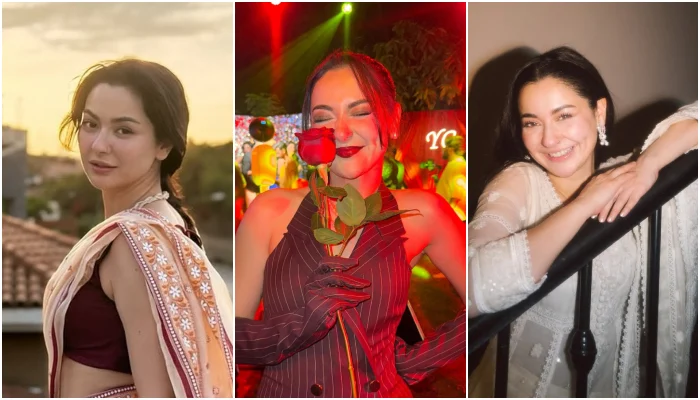
Pakistani actress Hania Aamir has spoken publicly about the growing wave of online bullying and criticism she faces despite her popularity in the entertainment industry. Her recent remarks came after speculation surrounding her brief absence from social media.
According to Daljojo News analysis, her statement reflects a broader digital culture where public figures, especially women, often face disproportionate scrutiny and targeted negativity, even when they are at the peak of success.
The discussion has quickly spread across social media platforms, reigniting debates about cyberbullying, online behavior, and the emotional toll of constant public judgment in the digital age.
What Happened?
Hania Aamir addressed her followers through a video message in which she responded to ongoing criticism and online negativity directed at her. She explained that while public attention is not new to her, the intensity and nature of negative comments have increasingly affected her mentally.
The actress highlighted that her temporary absence from social media led to speculation and unnecessary assumptions about her personal and professional life. She used the opportunity to speak more broadly about how digital spaces have become breeding grounds for harsh judgment.
In her message, she described what she called a “hate-driven culture” online, where individuals often face criticism not only from strangers but sometimes from within their own gender groups. She expressed disappointment over the tendency of people to find satisfaction in diminishing others.
Hania also addressed recurring accusations faced by celebrities, including claims about cosmetic procedures or artificial enhancement, stating that such assumptions often ignore hard work and personal effort behind public success.
Why This Matters
The actress’s remarks shed light on a growing global issue: the psychological impact of online harassment, particularly on women in the entertainment industry. Public figures are increasingly exposed to constant commentary that often crosses into personal attacks.
Social media platforms have amplified both visibility and vulnerability, creating environments where admiration and hostility exist side by side. For celebrities like Hania Aamir, this means navigating fame while managing emotional pressure from continuous public scrutiny.
The issue also reflects wider societal patterns, where success and visibility can sometimes trigger resentment or criticism rather than support. This dynamic raises questions about how digital communities engage with public personalities.
The conversation is not limited to entertainment alone but connects to broader discussions about mental health, digital responsibility, and respectful online communication.
What Analysts or Officials Are Saying
Media observers note that Hania Aamir’s statement aligns with a growing trend of celebrities speaking out against cyberbullying. Analysts argue that social media platforms have not yet fully addressed the scale of targeted harassment faced by public figures.
Some commentators suggest that online negativity is often driven by anonymity and a lack of accountability, which encourages harsher language and personal attacks. Others highlight that women in particular are disproportionately affected by appearance-based criticism and gendered narratives.
Digital behavior experts emphasize the need for stronger awareness campaigns and platform-level moderation tools to reduce harmful interactions. At the same time, they stress the importance of cultural change, not just technical solutions, in addressing online hostility.
Daljojo News Analysis
Hania Aamir’s comments highlight a deeper contradiction in modern digital culture: the same platforms that create fame and opportunity also expose individuals to sustained emotional pressure. This duality is especially visible in entertainment industries where visibility is constant and unavoidable.
Her remarks also point to an uncomfortable social reality—women in public spaces often face layered criticism that combines appearance, behavior, and personal choices. Even success can become a trigger for backlash rather than appreciation.
What makes this situation significant is not just the presence of criticism, but its normalization. Online hate has increasingly become part of everyday digital interaction, often dismissed as harmless opinion rather than recognized as emotional harm.
At a broader level, the response to her message shows that audiences are becoming more aware of the impact of digital behavior. Support from public figures and fans suggests a growing sensitivity toward mental health and respectful engagement online.
What Happens Next
The conversation around online bullying is likely to continue as more public figures share similar experiences. Hania Aamir’s statement may encourage other celebrities to speak openly about their own struggles with digital harassment.
Social media platforms may also face renewed pressure to improve moderation systems and strengthen protections against targeted abuse, especially for high-profile users.
In the entertainment industry, discussions around mental health support and digital safety are expected to gain more attention as online engagement continues to shape public careers.
For now, the actress’s message has added momentum to an ongoing global debate about how digital communities should balance free expression with responsibility and respect.