



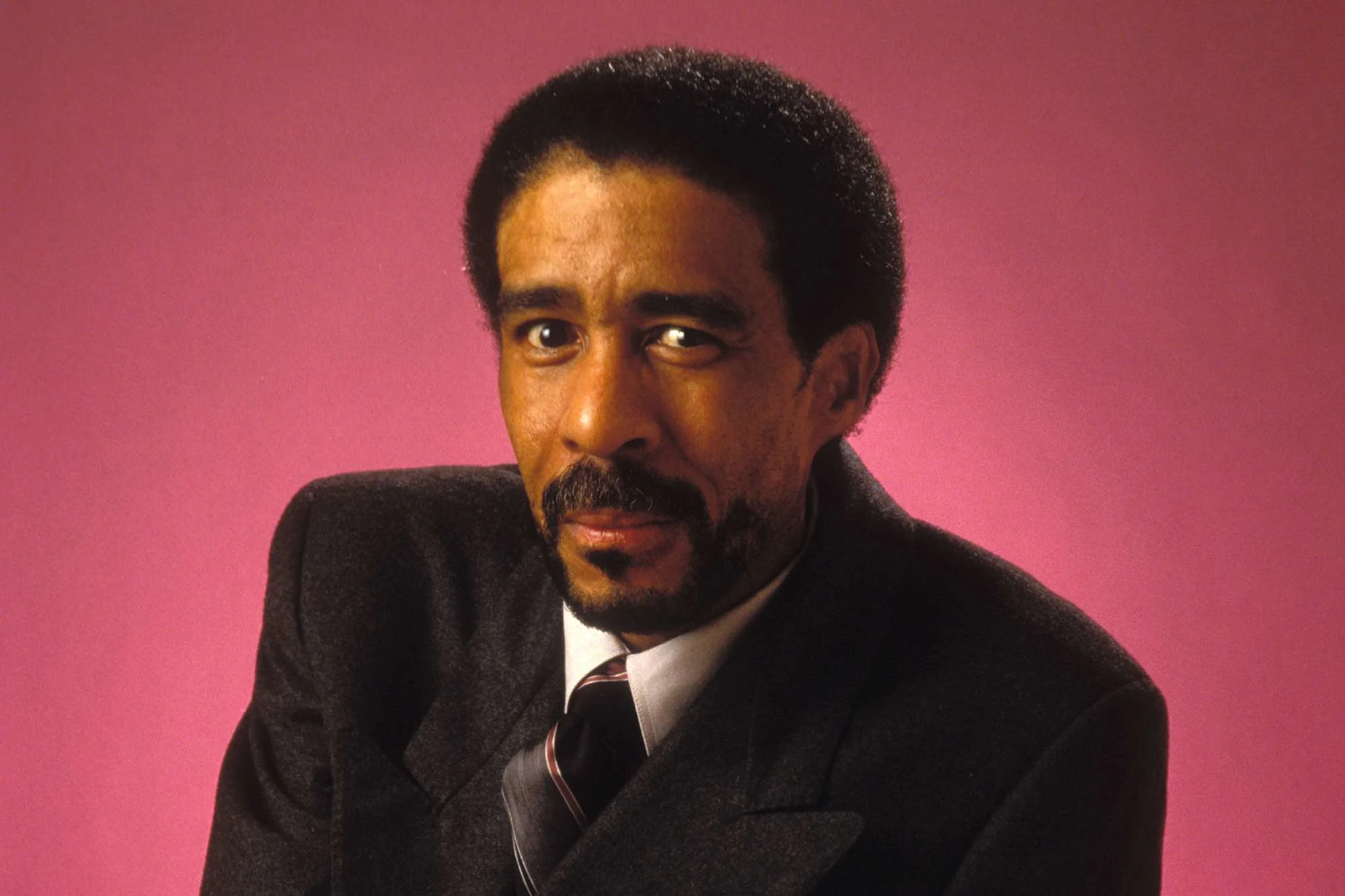
Richard Pryor, who died on December 10, 2005, at age 65, left a lasting mark on comedy and Hollywood. Known for his sharp wit and fearless approach to difficult topics like racism and addiction, Pryor remains one of the most influential comedians in history.
Pryor won five Grammy Awards for his comedy albums and appeared in films such as Harlem Nights and Brewster’s Millions. At one point, he was the highest-paid Black actor in Hollywood, earning $4 million for Superman III. He also won an Emmy for writing a Lily Tomlin special and authored his memoir, Pryor Convictions and Other Life Sentences.
Despite his professional success, Pryor’s personal life was tumultuous. He married seven times to five women and faced allegations of domestic abuse, infidelity, and drug use in his relationships. He had seven children, some of whom he met later in life. In 1980, he survived severe burns while freebasing cocaine, and in 1986, he was diagnosed with multiple sclerosis, a degenerative disease that eventually ended his career.
“I lived big for a time, but never appreciated life,” Pryor told PEOPLE in 1995. “Nor did I think that people really liked me. That’s changed since I became ill. I’ve been deeply touched in more ways than I could’ve imagined.”
Pryor’s death followed a long struggle with multiple sclerosis and heart problems. His final heart attack was the third in his life. The first occurred in November 1977, when he was 36, followed by another in 1990 while in Australia. He also underwent triple bypass surgery in 1991. By the mid-1990s, Pryor relied on a scooter for mobility due to the progression of his disease.
After suffering cardiac arrest at his Los Angeles home, Pryor was transported to a hospital in Encino, California, where he was pronounced dead. While his exact final words remain private, his wife Jennifer Pryor said he passed peacefully, with a smile on his face. “He did not suffer,” she told the BBC, describing his final moments.
The public’s reaction to Pryor’s death reflected his status as a cultural icon. Fellow entertainers paid tribute to his groundbreaking work. Eddie Murphy called him “better than anyone who ever picked up a microphone,” while playwright Neil Simon described him as “the most brilliant comic in America.” Music producer Quincy Jones compared him to Charlie Parker, emphasizing Pryor’s mastery in telling the truth and influencing generations of comedians.
Pryor’s legacy extends beyond comedy. He earned the Kennedy Center’s first Mark Twain Prize for Humor and inspired countless performers with his candid storytelling and social commentary. Director Reginald Hudlin compared Pryor’s impact to that of Miles Davis, noting that Pryor changed the landscape of comedy forever. Mel Brooks called him “the funniest comedian who ever lived,” cementing his place as a cultural giant.
Documentaries such as Richard Pryor: Omit the Logic and I Am Richard Pryor explore his life, while Scott Saul’s 2014 biography, Becoming Richard Pryor, offers a detailed account of his struggles and triumphs. Pryor’s comedy often challenged audiences to think critically about race, power, and violence in American history, leaving a lasting intellectual and cultural influence.
Two decades after his passing, Richard Pryor is remembered not only for his comedic genius but also for his ability to confront personal and societal challenges through laughter. His work continues to inspire new generations, making his influence timeless and enduring.