



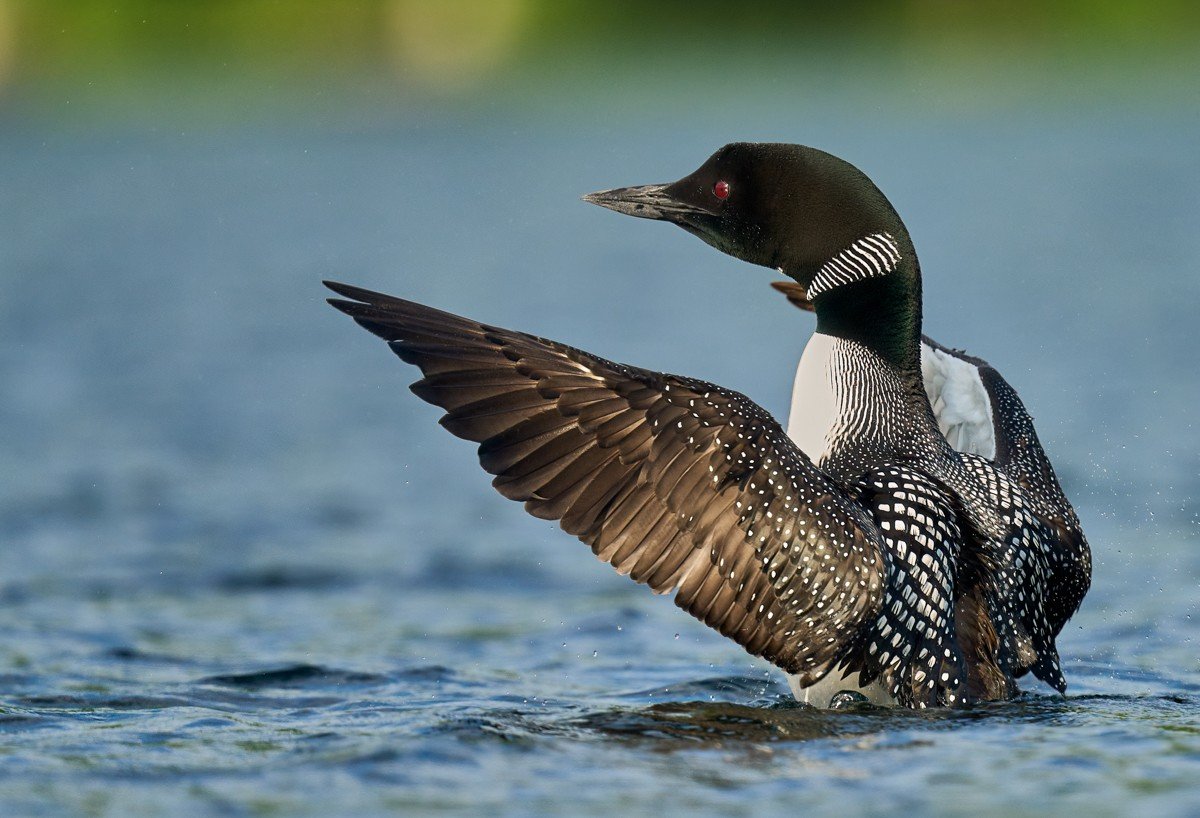
Maine’s lakes and ponds are once again filled with the haunting calls of loons as the state’s iconic waterbirds show signs of recovery. Conservationists report higher numbers of both adult loons and chicks compared with last year.
Maine Audubon’s annual survey estimates about 3,174 adult loons and 568 chicks in southern Maine, the largest East Coast population. These numbers are more than double those recorded when monitoring began in 1983, with adult populations up 13 percent over the past decade.
“We’re cautiously optimistic after seeing chick numbers increase for two consecutive years,” said Tracy Hart, a wildlife ecologist with Maine Audubon. She noted that several more years of data are needed to confirm a sustained upward trend.
State policies have helped the recovery. Maine has restricted lead fishing tackle, which loons can accidentally ingest, and boating speed limits protect shoreline nests from destructive wakes.
Despite these gains, experts warn it is too soon to declare full recovery. Maine’s breeding success is vital, as the state supports far more loons than the rest of New England combined. Nationwide, there are about 27,000 breeding adults, with Minnesota hosting the largest population.
Common loons are not federally endangered, but they are considered threatened or sensitive in several states. Winter migration can be hazardous, as late-moving loons risk becoming trapped by ice, prompting frequent calls to wildlife rehabilitators.