


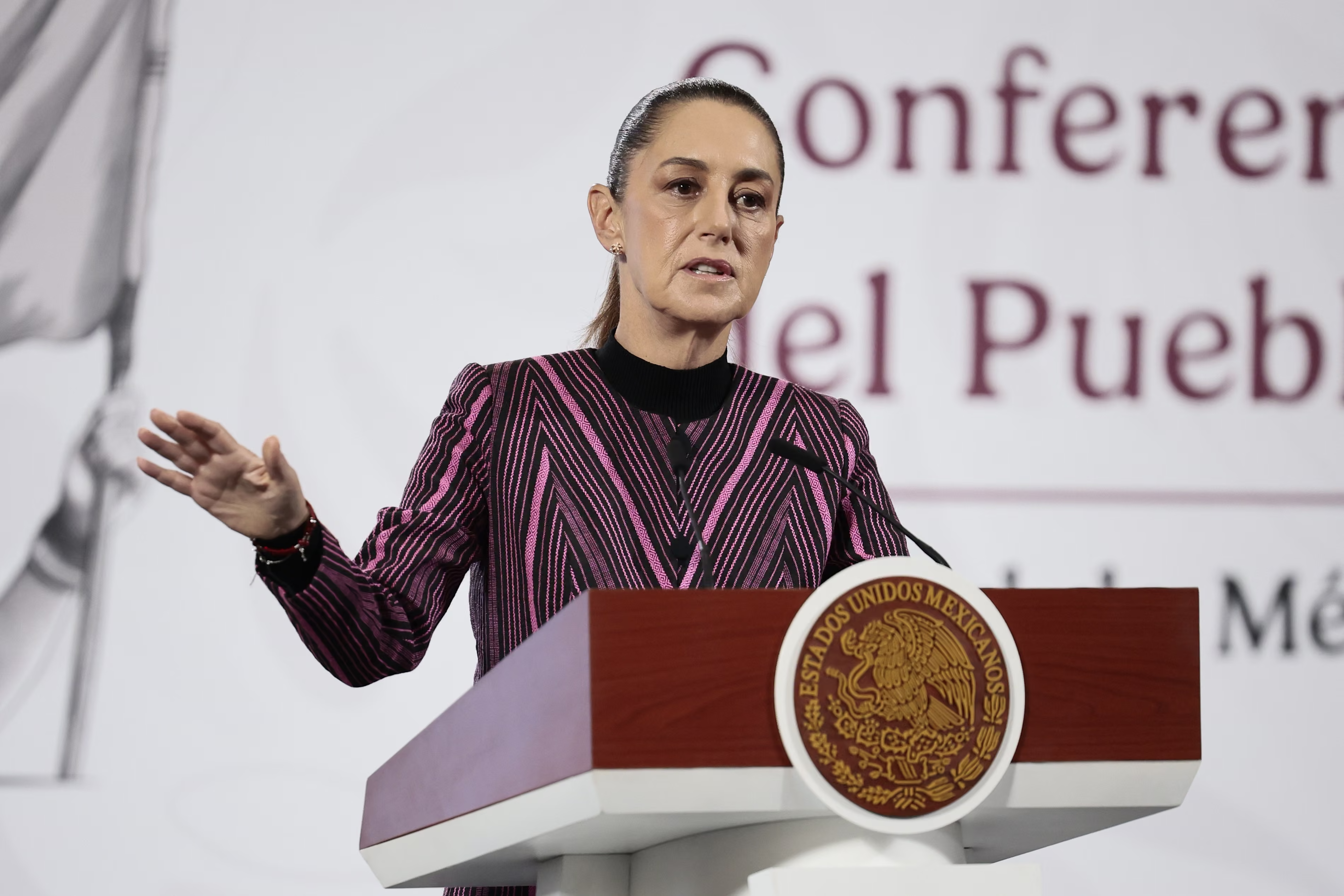
The public groping of Mexican President Claudia Sheinbaum has prompted swift government action to tackle sexual abuse nationwide.
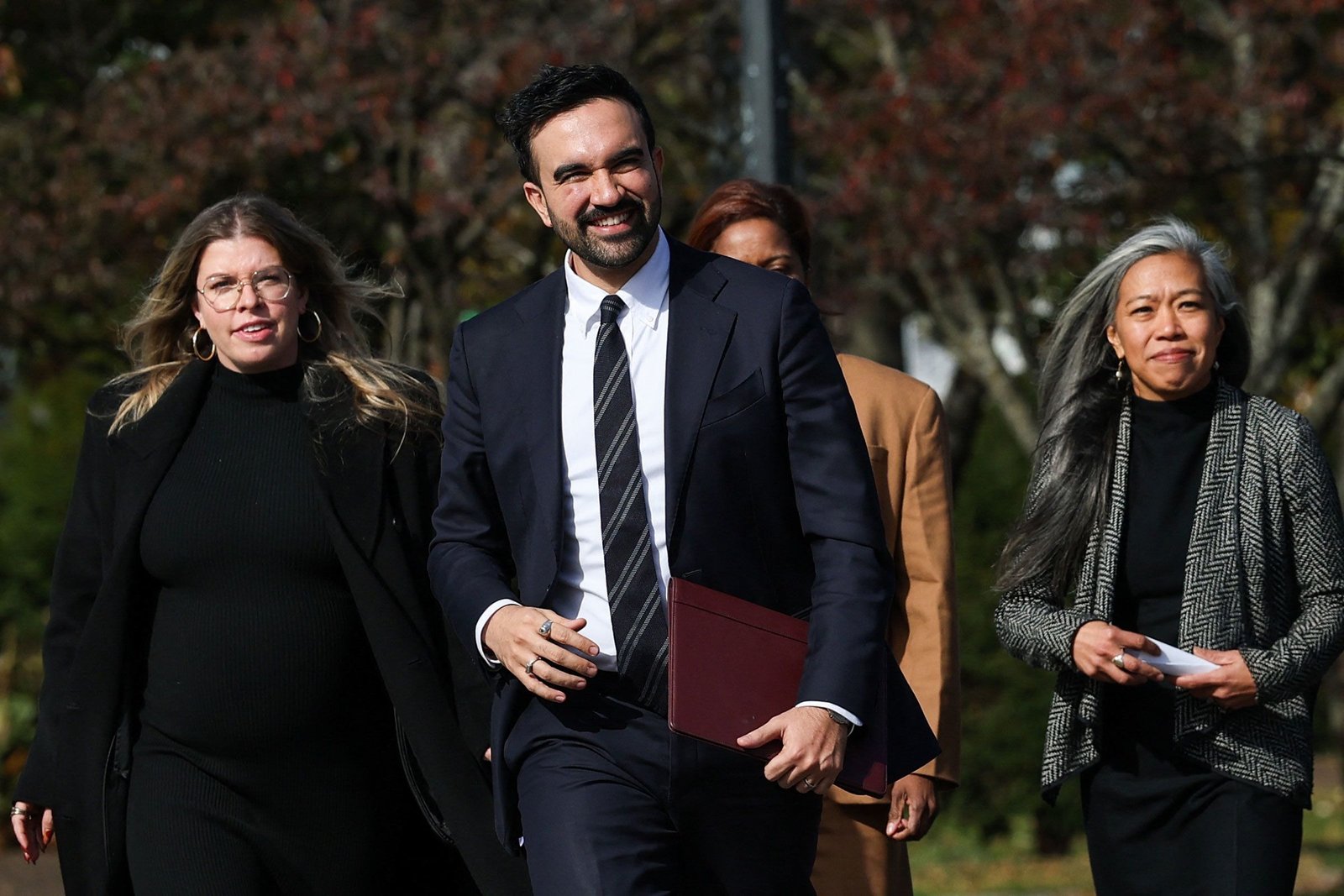
Citlalli Hernández, Mexico’s secretary for women, unveiled a presidential plan aimed at combating sexual violence. The initiative includes ensuring prison sentences for sexual abuse across the country, encouraging victims to report incidents, and training prosecutors and officials to handle cases effectively.
The plan also involves public awareness campaigns in schools, workplaces, public transport, and other spaces to prevent violence against women. Hernández said the measures aim to reassure women that they are not alone and that the government is taking their safety seriously.
The move follows a high-profile incident in Mexico City where a man attempted to kiss Sheinbaum and groped her while she walked on the street. The incident, captured on video, drew widespread outrage and highlighted the prevalence of sexual abuse in Mexico.
According to national statistics, seven out of 10 Mexican women aged 15 and older have experienced some form of violence, including psychological or sexual abuse. This year alone, 25,000 complaints of sexual harassment have been filed nationwide. Femicide remains a grave concern, with over 500 women killed in the first half of 2025.
The plan will also seek to standardize sexual assault laws across Mexico’s 32 states, aligning them with federal law that imposes six to 10 years in prison for violent sexual abuse against vulnerable people or minors. Senator Martha Lucía Mícher emphasized that legislation is only one aspect, and public education, empowerment, and community involvement are also essential.
However, some activists remain skeptical. Legal expert Estefania Vela and activist Oriana López argue that focusing solely on criminal penalties may not produce real change. They stress the need for societal and cultural shifts, including redefining masculinity to prevent abusive behavior.
The incident and the government’s response have sparked debate about the most effective ways to protect women in Mexico, highlighting both the urgency of reform and the challenges ahead.