


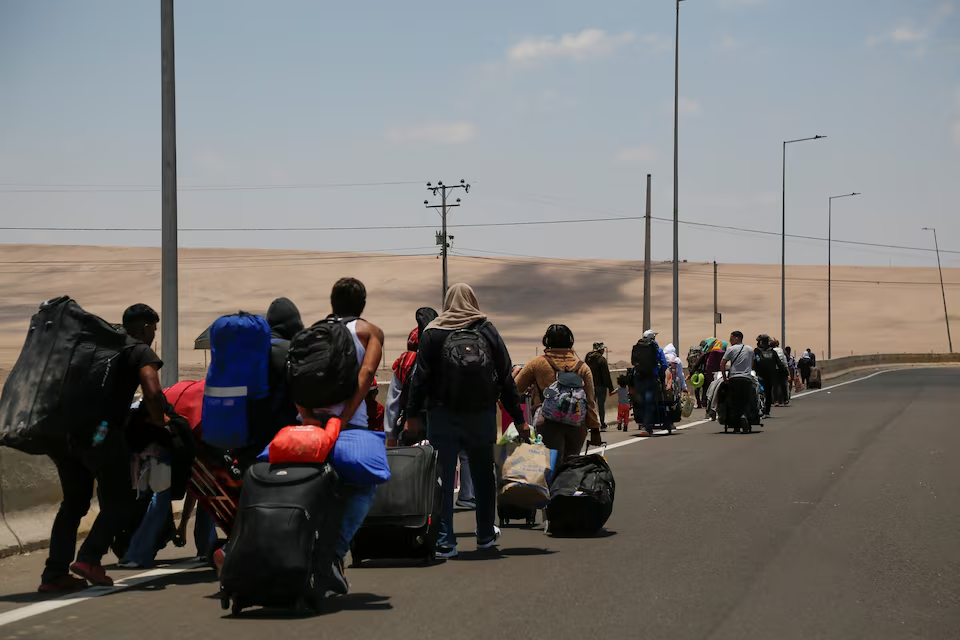
Migrants at the Peru-Chile border are facing severe hardships as they wait to return home. Many report being stranded for days without food, support, or access to basic services. Families, including young children, are struggling under harsh conditions.
One migrant, an Ecuadorian mother, shared her experience. She said she had been stuck at the border for nearly five days with her children. With little money and no assistance, she described the situation as critical. “We haven’t eaten breakfast or lunch. We just want to go home,” she said. Her story reflects the broader struggle faced by many migrants in the area.
The migrant highlighted the lack of support from authorities. She explained that they were not allowed to leave the area or access basic aid. The experience left families feeling abandoned, with limited options for survival. “There are children here. We just want help and to go home,” she said.
The situation at the border has been further complicated by military presence. Peru has increased security measures in the area, including the deployment of troops. Officials say this is intended to control irregular migration and protect national borders. Some migrants, however, feel this militarization adds pressure and limits their movement.
Authorities in both Peru and Chile defend the military presence as a necessary measure to manage migrant flows. They argue that the presence of security forces can prevent unsafe crossings and help maintain order. Yet, for those waiting at the border, the measures often make daily survival more difficult.
The migrant population at the border includes people from various countries, with Ecuadorian nationals forming a significant portion. Many of these migrants left their home countries seeking better opportunities but are now facing challenges that include food shortages, lack of medical care, and uncertainty about travel.
Several migrants have emphasized the need for humanitarian assistance. They are asking for food, water, shelter, and help to return to their countries safely. Reports indicate that children and vulnerable families are particularly affected by the difficult conditions.
The Ecuadorian mother said she felt desperate and unsupported. She noted that despite repeated requests for help, authorities had provided little to no assistance. This reflects a wider issue of migrants facing administrative and logistical barriers while attempting to cross borders or return home.
While the military presence aims to control migration, some migrants argue it should be accompanied by humanitarian support. Advocates suggest that governments coordinate aid efforts to ensure the safety and well-being of vulnerable populations.
The border situation has sparked international attention, with human rights organizations urging governments to address the urgent needs of migrants. These groups recommend providing necessities and safe passage options while maintaining border security.
Despite the challenges, many migrants remain determined to return home. They cite family obligations, economic pressures, and the desire for stability as primary reasons for leaving the border region. “I just want to go home. My children are waiting for me,” said the Ecuadorian mother, capturing the urgent desire of many stranded families.
In summary, the Peru-Chile border continues to be a critical point for migrants facing extreme hardships. Military presence and border control measures aim to manage migration, but humanitarian needs remain high. Families stranded in the region call for immediate aid, including food, water, shelter, and assistance to safely return to their home countries.
Addressing the crisis requires cooperation between governments, humanitarian organizations, and international partners to ensure both border security and human rights protections. Until then, migrants continue to face uncertainty, hunger, and anxiety while waiting for a path home.