



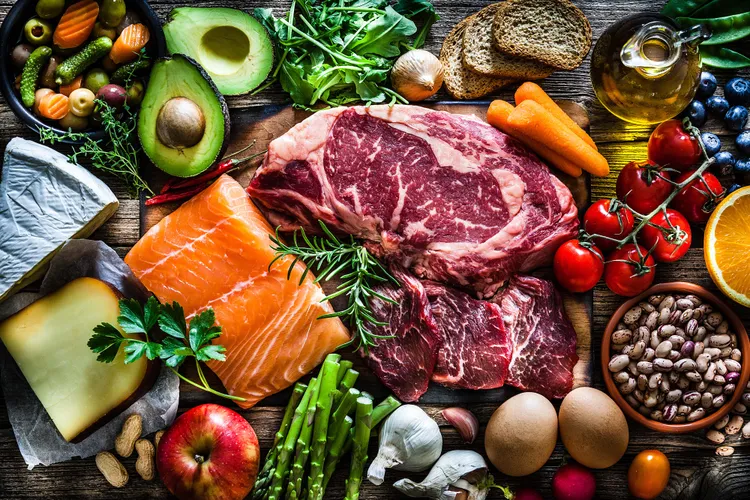
The 2025–2030 Dietary Guidelines for Americans introduce one of the biggest overhauls in years, emphasizing protein, whole foods, and a flipped food pyramid.
Key changes include a focus on minimally processed “real” foods, recognizing that canned and frozen produce can be nutritious and budget-friendly. Dietitians note that while whole foods are ideal, convenience and cost remain important considerations.
Whole-fat dairy and red meat are now highlighted at the top of the pyramid. Saturated fat intake should still stay under 10% of daily calories, but guidelines suggest achieving this by reducing processed foods rather than cutting specific animal products. Dietitians recommend balancing red meat and dairy with vegetables, legumes, and whole grains.
Protein intake recommendations have increased to 1.2–1.6 grams per kilogram of body weight per day, up from 0.8 g/kg, supporting muscle maintenance and overall nutrition for active and inactive individuals alike.
Added sugars should be avoided in children under 10, though dietitians caution that this may be challenging given the prevalence of sweetened foods. Vitamin D supplementation for infants and earlier introduction of common allergens are also included to support child health and allergy prevention.
The guidelines remove specific alcohol limits, instead advising “consume less for better health.” Gut health is acknowledged, emphasizing fermented foods and minimally processed options, though fiber receives less attention than some experts would like.
Experts advise focusing on practical strategies: home-cooked meals, nutrient-rich frozen or canned foods, beans, whole grains, and simple protein sources. Meal delivery services or kitchen appliances like air fryers can make healthy eating more manageable.
Overall, the 2025–2030 guidelines encourage Americans to prioritize nutrient-dense foods while remaining flexible, culturally sensitive, and mindful of budget constraints.