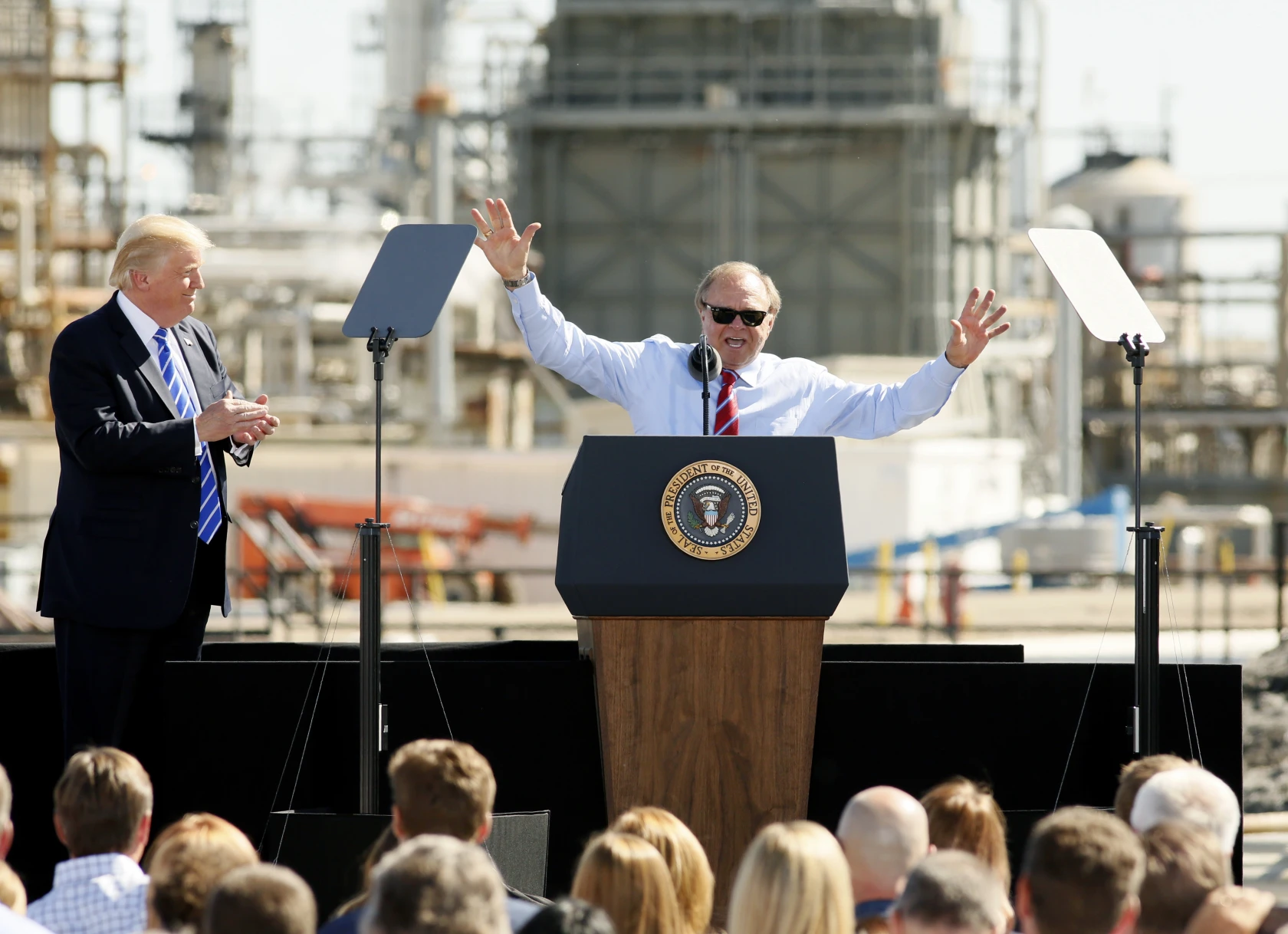
Harold Hamm, founder of Continental Resources, said his company will halt oil drilling in North Dakota’s Bakken shale for the first time in more than 30 years. The move comes as crude prices remain low and cut into profit margins for drilling operations.
Hamm, a major figure in the U.S. shale oil industry, told Bloomberg that weak prices have made drilling rigs less profitable. He said there is no reason to drill new wells when costs outweigh financial return. However, he added that drilling could resume if oil prices rise in the future.
Continental Resources helped fuel North Dakota’s oil boom in the early 2000s. It used horizontal drilling and hydraulic fracturing to unlock crude from the Bakken formation in the western part of the state. This expansion helped make North Dakota the third‑largest oil‑producing state in the United States.
Despite stopping drilling, the company will continue to pump oil from existing wells. State officials said that Continental’s existing infrastructure can produce oil for years even without new wells. The company remains a major player in the state’s oil economy.
North Dakota’s Department of Mineral Resources said the company’s decision means no active drilling rigs under Continental in the Bakken for now. Officials clarified that Continental is not leaving the state, and work at current wells continues.
The pause reflects broader pressure on the U.S. oil industry as crude prices slide. Officials said the break‑even price for drilling in the region can range from about $50 to $65 a barrel. With oil trading around key break‑even levels, some producers find new drilling unprofitable.
Industry experts say Continental’s decision could signal wider changes in drilling activity across the Bakken. State regulators noted that other companies have also considered reducing rigs or pausing drilling.
The slowdown comes amid a global supply surplus, with millions of extra barrels of crude on the world market. This oversupply keeps pressure on oil prices even as demand grows slowly.
Gov. Kelly Armstrong and state officials emphasized that the oil industry is still active and that production remains strong overall. They said existing wells continue to produce, and the pause in drilling does not mean the sector will vanish.
North Dakota currently averages over 1.1 million barrels of oil per day, only behind states like Texas and New Mexico in daily output. Continued production helps support state revenues and local jobs tied to the energy sector.
Local leaders also noted that rig count in the state has declined slightly compared to recent years. However, they pointed out that drilling activity has climbed back after earlier downturns.
For decades, the Bakken shale has been central to U.S. oil growth. Its development changed energy markets and contributed to shifts in crude exports and imports. Continental Resources has been a key driver of that growth, making Hamm’s pause notable for the region.
Analysts say the pause highlights how sensitive drilling decisions are to crude prices. Low prices reduce profit margins and can prompt major producers to scale back new investments. Producers often adjust operations based on global dynamics, costs, and future price expectations.
Hamm’s decision comes as energy markets watch price movements closely. Some traders and industry observers see the halt as a sign that drilling in shale formations may slow until prices stabilize or rise.
Continental Resources says it will continue monitoring market conditions. If crude prices strengthen enough to make drilling profitable again, the company may return rigs to the Bakken in the future.
The decision marks a rare retreat by one of the most influential builders of the U.S. shale sector. It could shape future investment decisions and industry trends in North Dakota and beyond.
Officials and industry watchers continue to follow oil prices and drilling activity in hopes of forecasting what comes next for Bakken production. So far, the pause underscores how global markets and local energy decisions remain deeply linked.