


The family of Renee Good, a 37-year-old mother of three killed by federal immigration officers in Minneapolis, is urging Congress to act. Her death on January 7, along with another U.S. citizen, has sparked national outrage over the use of force in immigration operations.
According to Daljoog News analysis, these incidents highlight growing tensions between federal enforcement and local communities, raising urgent questions about accountability and public safety.
The hearings come amid broader national debates over immigration policy and law enforcement practices, as families and advocates push for reforms to prevent further tragedies.
What Happened?
Renee Good was fatally shot by federal immigration officers in Minneapolis on January 7. Weeks later, another U.S. citizen, Alex Pretti, also died in a separate incident, intensifying scrutiny of federal operations.
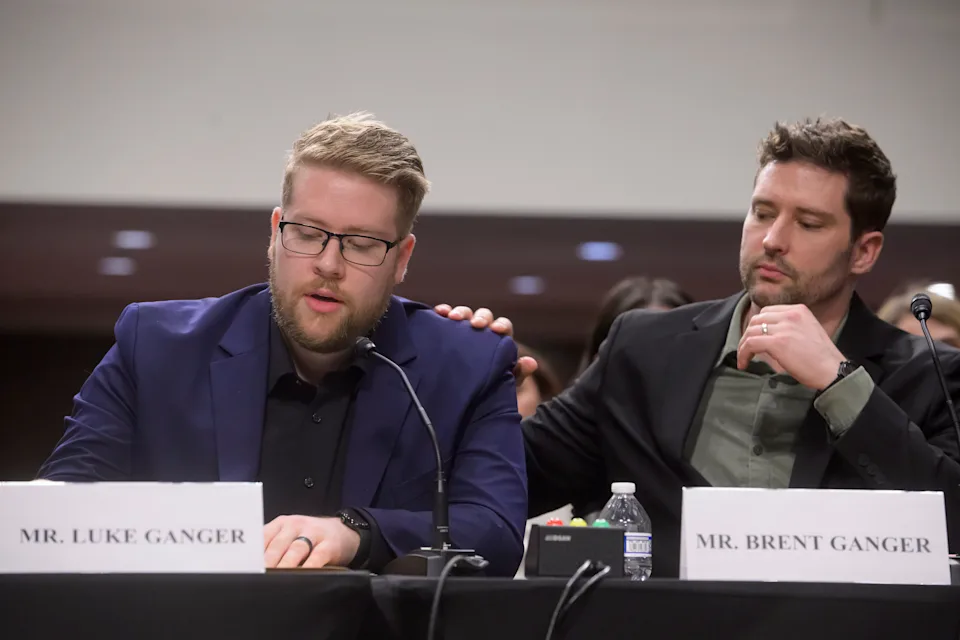
On Tuesday, Good’s brothers, Luke and Brett Ganger, addressed a congressional hearing led by Democrats to spotlight what they described as violent and avoidable use-of-force incidents by Department of Homeland Security (DHS) officers. The forum, convened by Senator Richard Blumenthal (D-Conn.) and Representative Robert Garcia (D-Calif.), aimed to examine the human cost of aggressive immigration enforcement.
The hearing included testimony from three other U.S. citizens who shared encounters with Homeland Security officers, underscoring concerns that aggressive tactics are affecting ordinary Americans, not just undocumented immigrants.
Why This Matters
The deaths of Good and Pretti have drawn national attention, fueling debates over immigration enforcement and civil liberties. Critics argue that federal officers operating under deportation mandates are too often involved in violent confrontations, which can escalate quickly in public spaces.
According to Daljoog News analysis, incidents like these highlight systemic issues: lack of oversight, unclear use-of-force guidelines, and tensions between federal and local authorities. Minneapolis, in particular, has emerged as a flashpoint, with residents describing encounters with federal agents as “surreal” and deeply disruptive.
The broader implication is a loss of trust in federal law enforcement. Families like the Gangers are demanding that Congress intervene to prevent similar tragedies, stressing that U.S. citizens should never become collateral damage in immigration operations.
What Analysts or Officials Are Saying
Supporters of congressional oversight argue these hearings are crucial to ensuring accountability. Senator Blumenthal described the sessions as a way to examine “patterns of abuse and negligence” in DHS operations, while Rep. Garcia noted the hearings aim to protect both immigrant communities and American citizens.
Trump administration officials, however, have maintained that Good attempted to hit an officer with her vehicle, a claim disputed by local authorities and protesters. Analysts point out that conflicting narratives are common in high-profile law enforcement incidents, making independent investigations essential.
Experts on immigration policy emphasize that fatalities during federal operations, whether involving citizens or non-citizens, intensify public debate over the balance between enforcement and civil rights.
Daljoog News Analysis
Renee Good’s death is emblematic of a growing national dilemma: how to enforce immigration law without eroding public trust or endangering citizens. While federal agencies frame their operations as necessary for national security, the human toll is becoming impossible to ignore.
Luke and Brett Ganger focused not on the circumstances of her death, but on her life—portraying a woman whose optimism and kindness contrasted sharply with the violent end she faced. This approach underscores a critical point: policy debates are about more than statistics—they are about real people whose lives intersect with law enforcement in irreversible ways.
Daljoog News observes that these hearings may serve as a catalyst for reforms, but meaningful change will require legislative action that clarifies use-of-force protocols, strengthens oversight, and prioritizes community safety alongside immigration enforcement.
What Happens Next
Congressional Democrats are expected to continue investigations into DHS use-of-force incidents, potentially introducing legislation to tighten oversight and accountability. Families affected by federal operations are likely to remain vocal advocates, pushing for systemic changes.
Local and national advocacy groups may leverage the hearings to campaign for broader reforms, including mandatory reporting of use-of-force cases and independent review boards for federal law enforcement actions.
As public attention grows, the fate of immigration enforcement in urban communities like Minneapolis may hinge on how lawmakers respond to the mounting calls for reform, balancing enforcement priorities with the protection of U.S. citizens.