

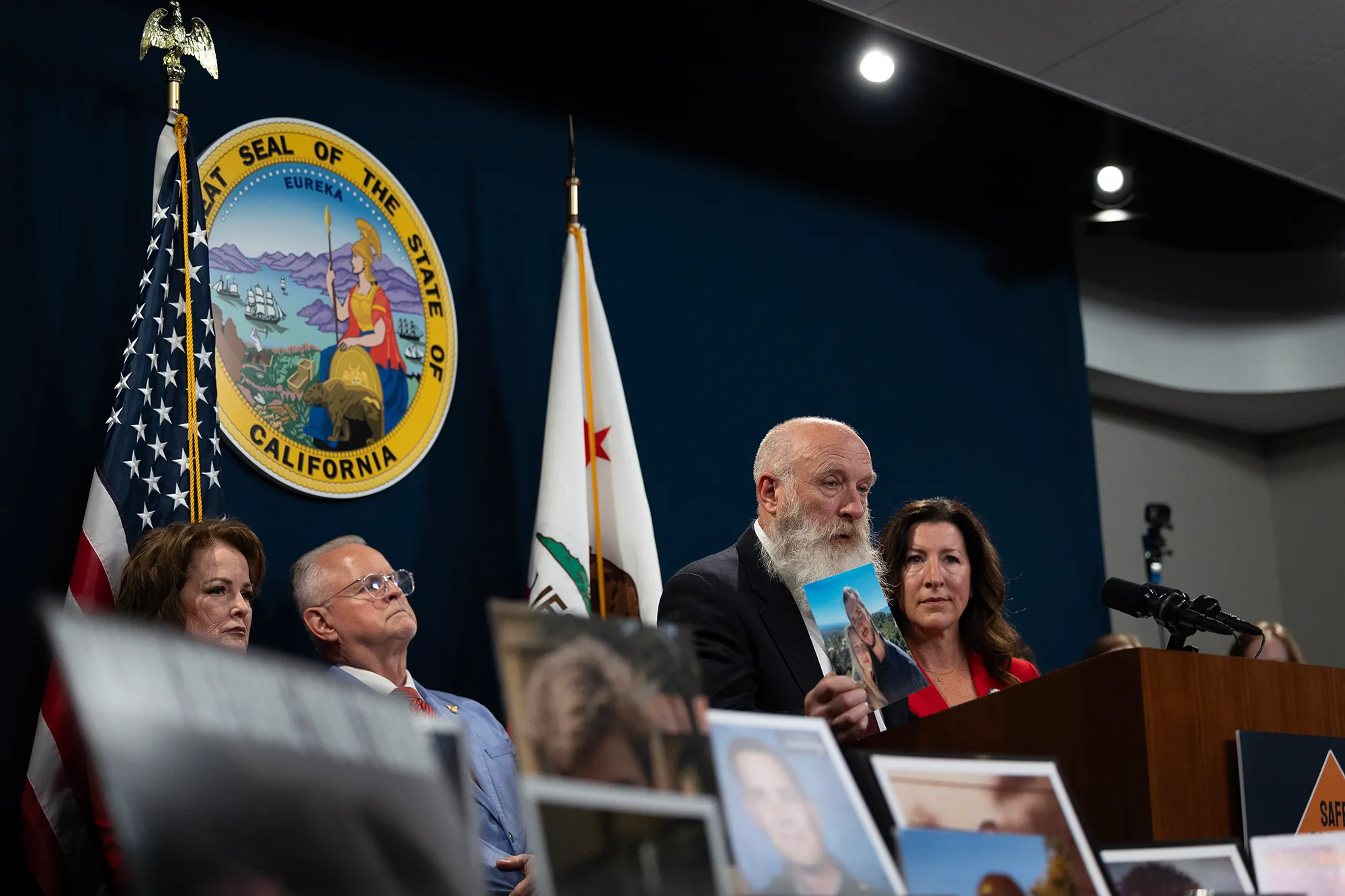
California lawmakers have introduced a bipartisan package of bills aimed at tightening penalties for impaired driving and reducing traffic deaths across the state. The proposals would expand restrictions on DUI offenders and close legal gaps that critics say allow dangerous drivers to remain behind the wheel.
According to Daljoog News analysis, the legislative push reflects mounting concern within the California State Assembly over rising roadway fatalities and public frustration with repeat offenders who avoid meaningful consequences.
The package arrives as state officials confront a broader debate over public safety policy, enforcement standards, and accountability on California’s highways.
What Happened?
Assemblymember Rhodesia Ranson has introduced Assembly Bill 1605, one of the most closely watched proposals in the package. The bill would create a “no alcohol sale” restriction for repeat or serious DUI offenders.
Under the measure, judges could require certain offenders to carry marked driver’s licenses or Real IDs. Retailers, bars, and restaurants would then be required to refuse alcohol sales to those individuals.
If enacted, the bill would also mandate universal ID checks for alcohol purchases. Even customers who appear well over the legal drinking age would need to show identification before buying alcohol. Bartenders would be required to verify every ID manually before serving drinks.
Supporters say the goal is straightforward: prevent repeat offenders from accessing alcohol after serious violations.
The broader legislative package would also require first-time DUI offenders to install ignition interlock devices, commonly known as in-car breathalyzers. These devices prevent a vehicle from starting if alcohol is detected on the driver’s breath.
Other measures would lengthen license suspensions and revocations for certain offenses. Lawmakers are also targeting a legal loophole that allows drivers involved in fatal crashes to avoid harsher penalties through diversion programs in some cases.
Why This Matters
California has struggled with persistent DUI-related crashes despite existing enforcement tools. Lawmakers argue that gaps in the current system allow repeat offenders to cycle through the courts without long-term behavioral change.
Ignition interlock devices have shown measurable reductions in repeat DUI offenses in several states. Expanding their use to first-time offenders signals a shift toward prevention rather than punishment alone.
The proposed alcohol sales restriction represents a more aggressive approach. If passed, it would significantly alter alcohol retail practices statewide. Bars and stores would need new compliance systems, and employees would face additional training and verification responsibilities.
Critics are likely to question whether such measures create enforcement burdens for businesses or raise privacy concerns. Still, advocates argue that the public safety stakes justify the added scrutiny.
Traffic deaths remain a politically sensitive issue. Families affected by impaired driving crashes have become increasingly vocal in pushing lawmakers to adopt tougher standards.
What Analysts or Officials Are Saying
Assemblymember Ranson has framed the legislation as an extension of existing driver’s license restrictions. Lawmakers already limit driving privileges after DUI convictions, and supporters argue that restricting alcohol purchases follows the same public safety logic.
Public safety advocates have voiced support for expanding ignition interlock requirements, describing them as a practical tool with proven results. They also back longer license suspensions, saying repeat offenders often return to the road too quickly under the current law.
Community members affected by DUI crashes have urged stronger action. Some argue that past penalties failed to deter dangerous behavior and that more decisive intervention is necessary to protect families.
Legal analysts note that implementation details will matter. Courts would need clear standards for marking IDs, and retailers would require guidance on compliance obligations. Enforcement consistency will likely determine the effectiveness of the proposed reforms.
Daljoog News Analysis
This legislative package reflects a noticeable shift in California’s public safety debate. In recent years, criminal justice reform dominated policy discussions. Now, traffic safety is gaining bipartisan momentum.
The proposal to restrict alcohol sales to certain offenders stands out as the most controversial element. It extends consequences beyond the act of driving and into consumer behavior. That raises questions about fairness and enforceability.
However, lawmakers appear to be responding to a clear political signal. Rising traffic fatalities have undercut confidence in current enforcement systems. When voters perceive that repeat offenders avoid serious consequences, pressure mounts for structural change.
The ignition interlock expansion may ultimately prove the most durable reform. Evidence from other jurisdictions suggests that early intervention can reduce repeat offenses significantly.
Whether the alcohol restriction provision survives committee review may depend on how effectively lawmakers address operational concerns from businesses and civil liberties groups.
What Happens Next
The bills will move through committee hearings in the coming weeks. Lawmakers will debate amendments, fiscal impacts, and enforcement mechanisms before any floor vote.
If approved by both chambers, the package would head to the governor’s desk. Implementation timelines would likely phase in new requirements for retailers and courts.
Advocacy groups are expected to mobilize on both sides of the debate. Families affected by impaired driving will likely press for swift passage, while business associations may seek adjustments to compliance rules.
The outcome will signal how far California is willing to go in reshaping DUI enforcement policy.