


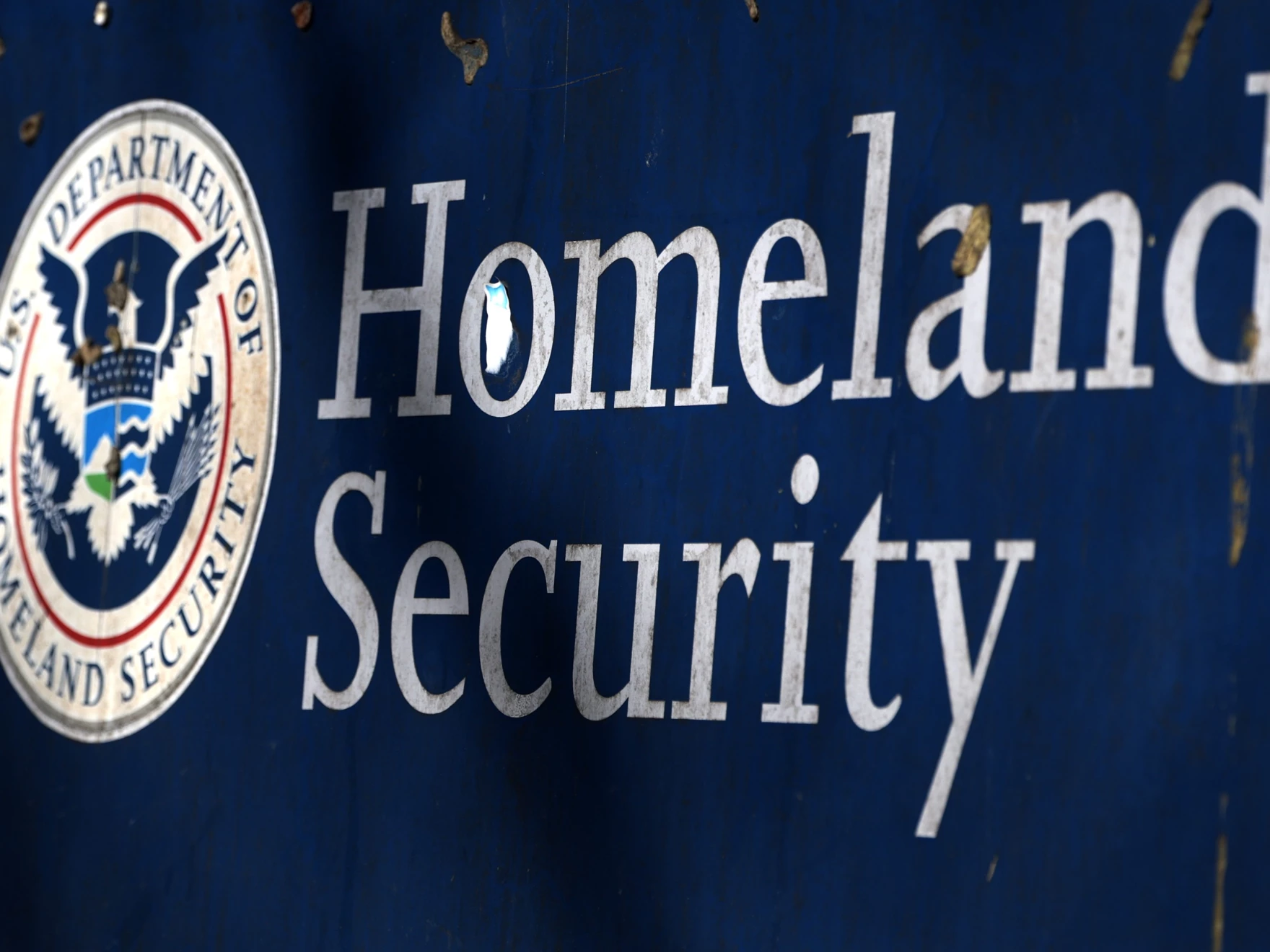
The Department of Homeland Security shut down at 12:01 a.m. Saturday, after Congress failed to pass a funding bill before a temporary measure expired. The lapse triggered an immediate freeze on non-exempt operations across one of the federal government’s largest departments.
According to Daljoog News analysis, the shutdown reflects deep partisan divides over immigration enforcement policy, turning DHS funding into a broader political battleground.
The timing adds pressure. The funding gap arrives during a period of heightened immigration enforcement and just ahead of a federal holiday weekend, limiting the immediate public impact but raising risks if the shutdown drags on.
What Happened?
Congress did not approve new funding for DHS before a stopgap spending measure expired. As a result, the department entered a formal shutdown phase.
Democratic lawmakers had sought policy concessions in exchange for their support. Their demands focused on restraining immigration enforcement practices, including stricter use-of-force standards, clearer identification requirements for federal officers, and limits on entry into private property without judicial warrants.
They also pushed for policies requiring verification of citizenship status before detention and safeguards against enforcement actions based on race, language, or occupation.
Republican lawmakers did not accept those conditions, and negotiations collapsed.
The Office of Management and Budget instructed DHS leadership to implement an orderly shutdown plan. The department activated its 2025 funding lapse framework, which outlines which employees continue working and which functions pause.
DHS oversees major agencies including the Transportation Security Administration, the Federal Emergency Management Agency, the Coast Guard, the Cybersecurity and Infrastructure Security Agency, Customs and Border Protection, Immigration and Customs Enforcement, and the U.S. Secret Service.
Together, DHS agencies represent roughly 13% of the federal civilian workforce.
Why This Matters
DHS is central to U.S. domestic security. It handles airport screening, disaster response, border enforcement, cyber protection, and presidential security.
A shutdown does not mean all services stop. Federal law requires employees whose work protects human life or property to continue working even without pay.
Still, financial strain builds quickly. Workers required to report without pay may take leave or reduce overtime as the shutdown continues.
Public-facing effects often appear gradually. If the shutdown extends beyond a few days, staffing pressures can lead to longer wait times at airports, slower disaster reimbursements, and delayed administrative services.
Politically, this shutdown signals how immigration policy has become inseparable from federal funding debates. DHS funding fights now double as ideological confrontations.
What Analysts or Officials Are Saying
DHS estimates that about 92% of its nearly 272,000 employees are classified as “exempt” and must continue working during a funding lapse. That means roughly 249,000 personnel will remain on duty.
However, that figure can decline over time. Past shutdowns showed attendance may fall as unpaid workers seek temporary leave or alternative arrangements.
Administration officials have emphasized that immigration enforcement and border security operations remain financially supported. Last year’s major spending package allocated $165 billion to immigration and border programs, including $75 billion for Immigration and Customs Enforcement and $65 billion for Customs and Border Protection.
Because that funding extends beyond the annual discretionary budget, core enforcement operations are expected to continue without interruption.
Transportation officials clarified that air traffic controllers will not be affected because they fall under the Department of Transportation, which already secured its funding. Airport screening staff under the Transportation Security Administration, however, will work without pay.
Security experts caution that prolonged shutdowns often strain morale and logistics rather than causing immediate breakdowns.
Daljoog News Analysis
The DHS shutdown illustrates a recurring pattern in Washington: security agencies remain operational, but the human and administrative costs mount quietly.
Immigration enforcement will continue, backed by substantial pre-approved funding. That removes one of the most politically explosive consequences of a shutdown.
However, agencies like FEMA operate differently. While emergency response teams will deploy during disasters, reimbursement processes and recovery coordination can slow sharply. State and local governments rely on timely federal reimbursements.
If disruptions extend, the financial ripple effects could burden local authorities managing disaster recovery.
Airport security is another pressure point. TSA officers must continue screening passengers. Yet without paychecks, staffing challenges could surface. During previous shutdowns, airports saw longer lines as employee attendance dropped.
The Coast Guard, uniquely positioned under DHS despite being a military branch, will continue essential missions such as search and rescue. Training and administrative activities may pause.
Cybersecurity and counterterrorism surveillance will also remain active. These operations are deemed critical to national security.
The deeper issue is structural. DHS combines emergency management, border enforcement, cyber defense, and transportation security under one umbrella. When funding lapses, the strain spreads across diverse mission areas simultaneously.
Repeated shutdowns risk normalizing operational instability within institutions designed for crisis readiness.
Daljoog News believes that while immediate security risks remain contained, prolonged uncertainty erodes institutional resilience and public trust.
What Happens Next
Congress must pass either a full-year funding bill or another temporary measure to restore normal operations.
If lawmakers reach an agreement quickly, federal employees will receive back pay, as required under current law. Short shutdowns tend to have limited visible impact.
If the impasse continues, practical disruptions will intensify.
Airport travelers may encounter longer security lines as TSA staffing tightens.
FEMA could struggle to process reimbursements for disaster-stricken states.
Administrative and compliance functions within DHS may face backlogs that take months to unwind.
Political negotiations are likely to remain tied to immigration enforcement policies. Unless lawmakers separate policy debates from funding measures, similar standoffs could reemerge.