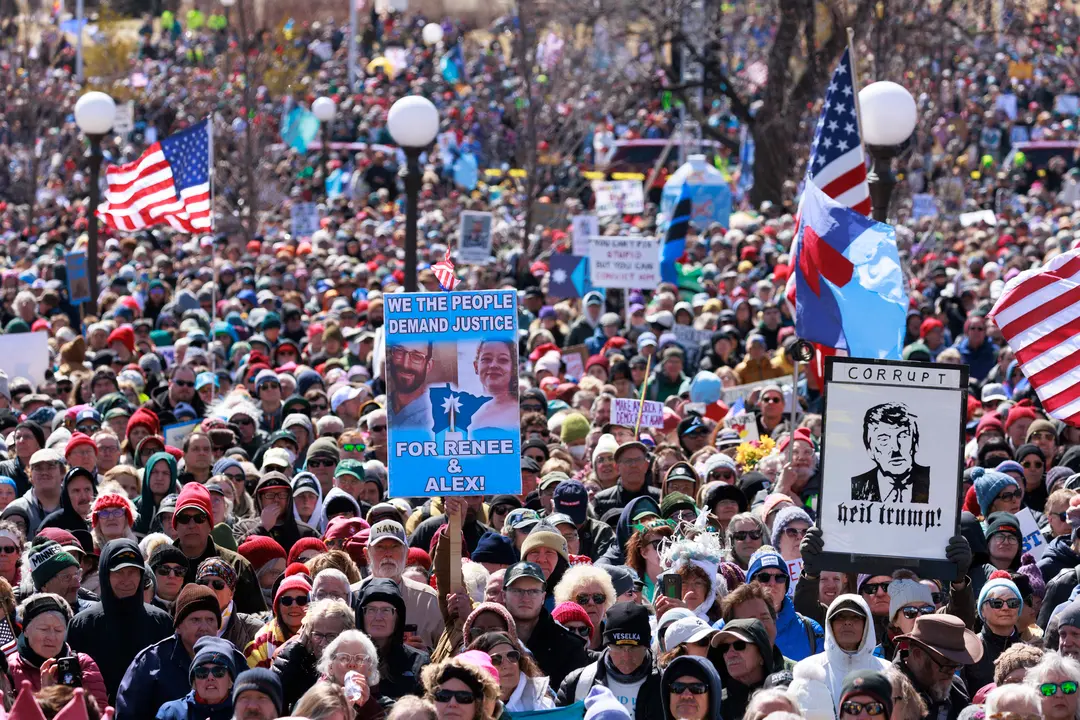

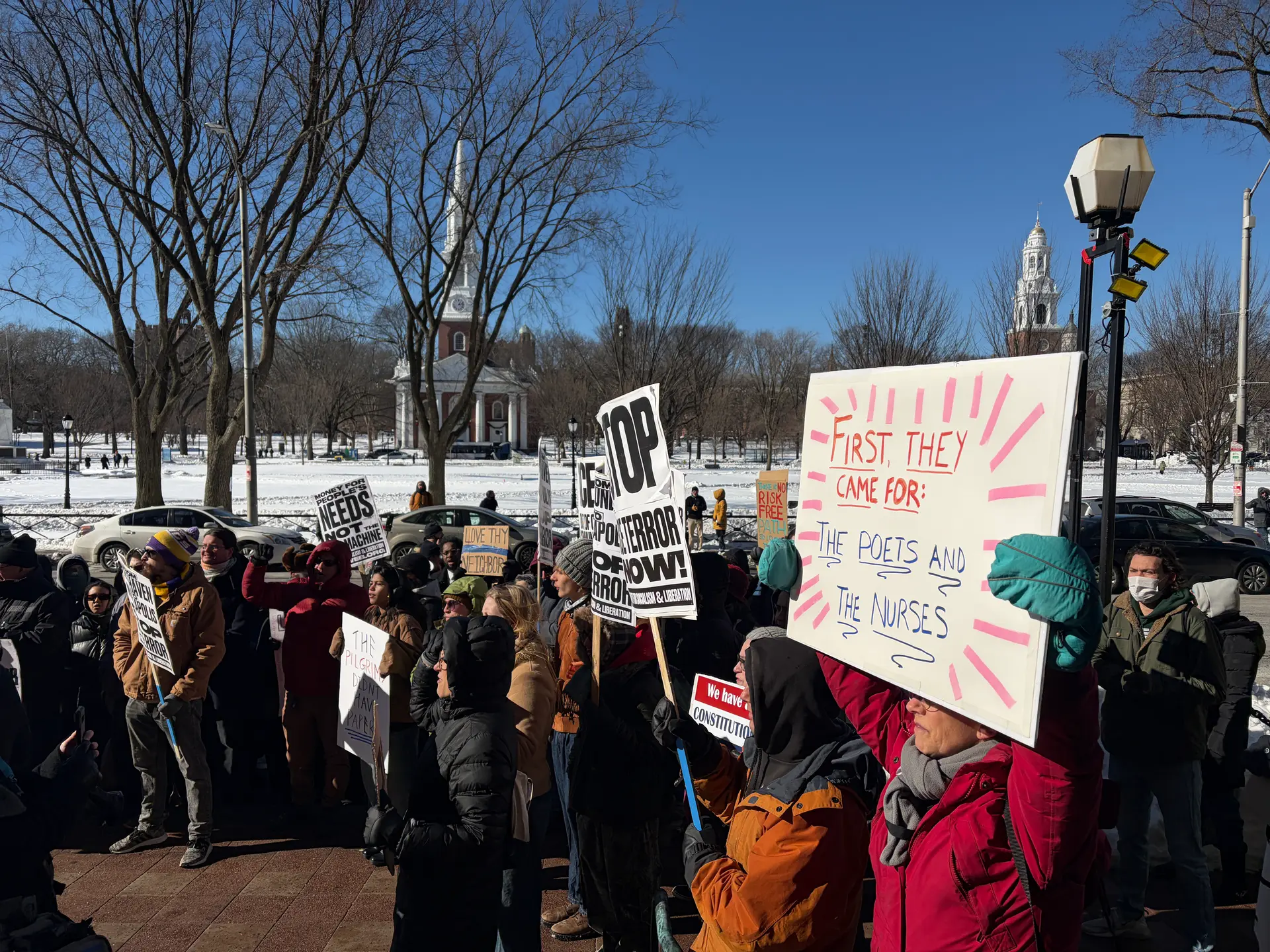
Anti-ICE protests in Minneapolis have drawn national attention as demonstrators confront federal immigration agents and city leaders criticize enforcement operations. Despite heightened tensions, legal experts say the unrest does not justify invoking federal emergency powers.
According to Daljoog News analysis, while the clashes have occasionally turned violent and created logistical blockages, federal authority under the Constitution remains intact because state officials have not directly obstructed immigration enforcement.
The protests reflect broader debates over immigration enforcement, the role of state and local governments, and the limits of presidential power under the Insurrection Act.
What Happened?
Operation Metro Surge, launched in December, deployed thousands of ICE and Customs and Border Protection agents to Minneapolis and St. Paul to enforce federal immigration law.
Protesters have confronted agents during enforcement actions, surrounding them with crowds, whistles, and cameras. Some demonstrations escalated into blockades or limited violence, while volunteers attempted to impede federal activity.
The operation has led to thousands of arrests, but it has also included two high-profile deaths of U.S. citizens during encounters with federal agents, prompting an FBI investigation.
Minnesota Governor Tim Walz and Minneapolis Mayor Jacob Frey have resisted direct participation in enforcement. Walz has called for a faster reduction of federal personnel, while Frey affirmed that the city would not assist with immigration enforcement, citing constitutional and operational limits.
Why This Matters
The legal debate centers on two principles. The anti-commandeering doctrine prevents the federal government from forcing state or local officials to enforce federal law, while obstruction of federal officers by states or individuals could violate the supremacy clause.
Experts note that the current Minnesota protests involve private citizens, not state-led obstruction. As such, they do not rise to a level that would threaten federal authority or justify extreme measures like invoking the Insurrection Act.
Still, the unrest has created operational challenges for ICE and heightened political polarization. Democratic leaders’ rhetoric and street-level opposition have fueled clashes, while activists use encrypted messaging networks to track federal agents’ movements, sometimes staging protests at sensitive locations.
What Analysts or Officials Are Saying
George Mason University law professor Ilya Somin explained that interfering with federal agents’ work does not constitute a constitutional breach unless state officials actively block enforcement. “There is no general principle of law which says that anything that makes the work of federal agents more difficult in any way somehow violates the Constitution,” he said.
Legal experts also distinguish between private protest and unlawful obstruction. While Attorney General Pam Bondi announced charges against agitators, and the DOJ subpoenaed state and city leaders for information, analysts maintain that federal authority remains secure.
University of Minnesota law professor Ilan Wurman noted that invoking the Insurrection Act would be a constitutional “last resort,” typically reserved for direct state-led obstruction of federal law.