


Grief and anger filled a Washington hearing room as the brothers of Renee Nicole Good described the moment their family was shattered by a fatal shooting involving a federal immigration agent in Minneapolis.
According to Daljoog News analysis, the testimony marked a turning point in a growing national backlash against aggressive enforcement tactics used by agencies under the Department of Homeland Security.
The hearing came amid escalating protests, renewed congressional scrutiny, and mounting pressure on DHS leadership following a series of violent encounters involving immigration officers in multiple US cities.
What Happened?
Renee Nicole Good was shot and killed on January 7 while sitting in her car during an encounter with an Immigration and Customs Enforcement agent in Minneapolis. Federal officials later said the officer, Jonathan Ross, acted in self-defense, alleging Good used her vehicle as a weapon.
Her death was followed less than three weeks later by another fatal incident. On January 24, Customs and Border Protection officers shot and killed Alex Pretti, further intensifying criticism of DHS enforcement operations.
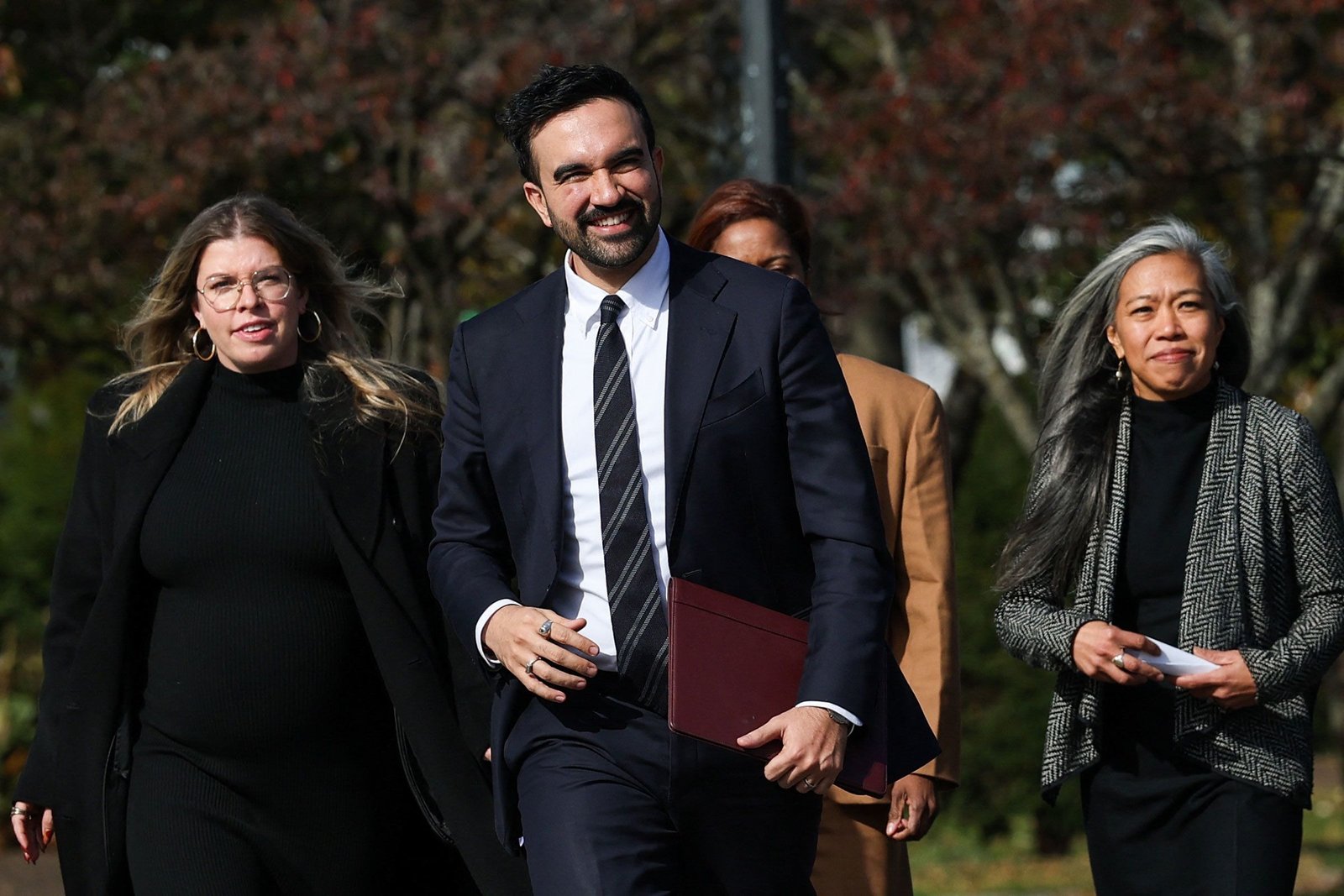
On Tuesday, Renee Good’s brothers, Luke Ganger and Brent Ganger, traveled to Washington to testify at a public forum focused on DHS use of force. The event was organized by Democratic lawmakers who have been tracking violent encounters involving immigration agents.
Luke Ganger told the forum that investigators’ actions and official statements have deepened the family’s trauma rather than eased it. He said the circumstances surrounding his sister’s death left them grappling not only with grief but with disbelief and a sense of urgency for change.
Other speakers included civilians who survived violent encounters with Border Patrol agents. Among them was Marimar Martinez, a Chicago teacher who was shot five times during a traffic encounter with a CBP officer, and residents from Minneapolis and California who described being dragged from vehicles or fired upon by federal agents.
No representatives from DHS testified at the forum, and the department did not immediately respond to requests for comment.
Why This Matters
The testimony highlights a broader pattern that lawmakers say cannot be dismissed as a series of isolated mistakes.
Immigration enforcement agencies operate with wide authority, often conducting operations in residential neighborhoods far from border zones. When those encounters turn violent, the consequences ripple through entire communities.
For families like the Gangers, the issue is not only accountability for one officer or one incident. It is about whether current enforcement strategies prioritize force over de-escalation and whether oversight mechanisms are strong enough to prevent future deaths.
Public trust in law enforcement, already strained in many cities, is further eroded when civilians are killed or seriously injured and official explanations are disputed by witnesses, families, and later court filings.
The stakes are also political. DHS sits at the center of immigration policy debates, and its actions shape public perceptions of federal power, civil rights, and the rule of law.
What Analysts or Officials Are Saying
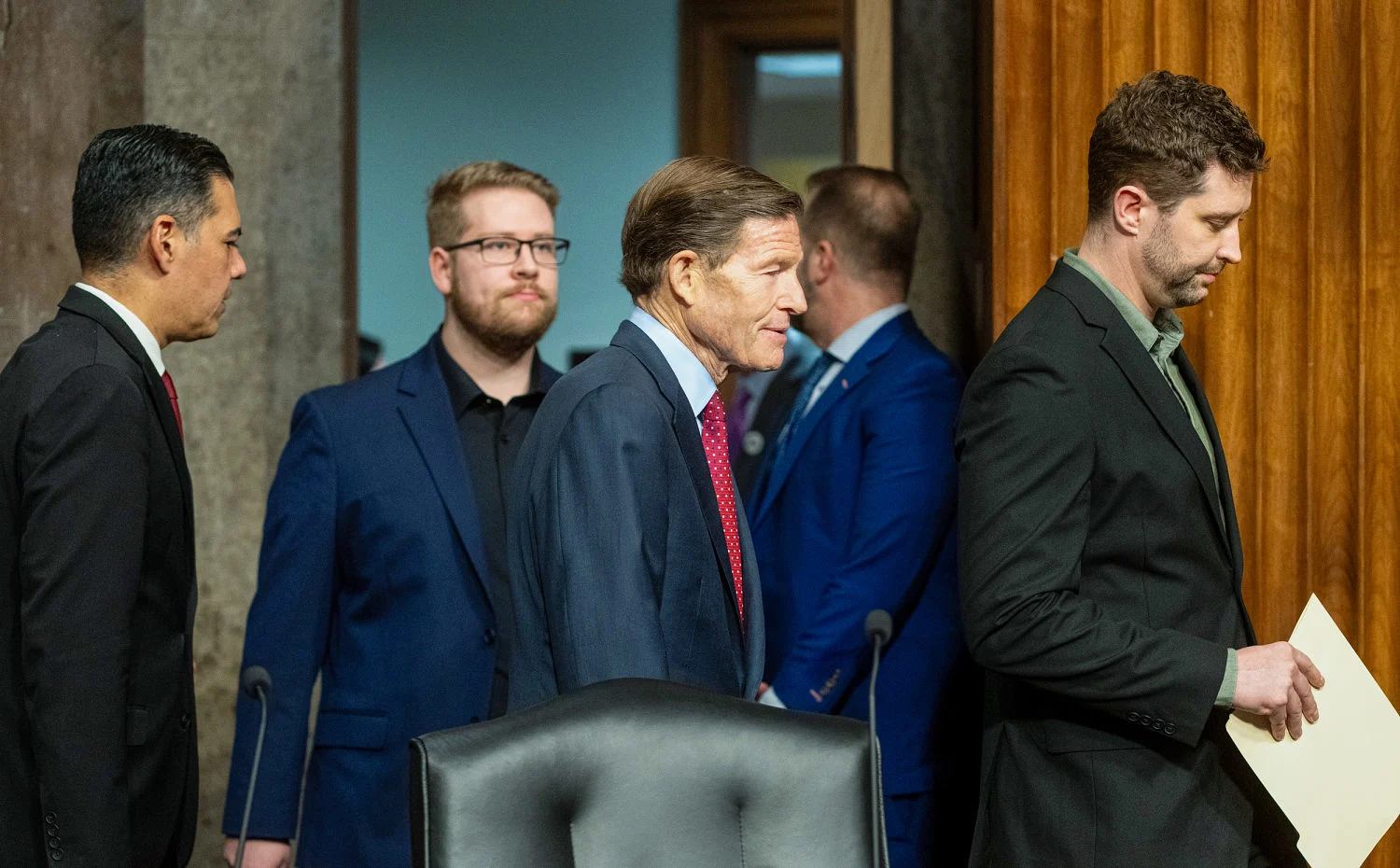
Representative Robert Garcia of California, who helped convene the forum, said DHS agencies have become “completely out of control.” He argued Congress has a duty to intervene when constitutional rights are at risk.
Garcia said Democrats have reviewed more than 470 incidents logged in an immigration enforcement dashboard, with nearly 200 involving what he described as problematic uses of force.
Senator Richard Blumenthal of Connecticut went further, accusing senior DHS leadership of enabling violence through policy and rhetoric. He said victims like Good and Pretti should have been alive to speak for themselves.
Federal officials have defended their agents’ actions. DHS Secretary Kristi Noem previously labeled Renee Good a domestic terrorist and claimed, without publicly released evidence, that she used her vehicle against officers. A DHS spokesperson later said Good failed to comply with commands, calling the encounter “entirely preventable.”
In the Chicago case, prosecutors initially accused Marimar Martinez of assaulting federal officers with her car. Those charges were later dropped after the government moved to dismiss its own case.
The Justice Department has opened a federal civil rights investigation into Pretti’s killing. DHS also recently removed a senior Border Patrol commander from his leadership role following repeated appearances at violent protest encounters, though he was reassigned rather than dismissed.
Daljoog News Analysis
What stood out at Tuesday’s forum was not just the severity of the allegations, but the consistency of the narratives.
Families and survivors described similar patterns: aggressive vehicle maneuvers, rapid escalation, gunfire, and official statements that framed civilians as threats before investigations were complete.
DHS has repeatedly argued that agents face dangerous situations and must make split-second decisions. That reality cannot be ignored. But the growing number of disputed shootings suggests a systemic problem rather than a collection of unfortunate coincidences.
Labeling civilians as terrorists or criminals in the immediate aftermath of shootings may help agencies control the narrative, but it also raises serious questions when charges are later dropped or evidence contradicts initial claims.
The absence of DHS officials at the forum sent its own message. At a moment when public confidence is fraying, silence can appear indistinguishable from indifference.
If immigration enforcement continues to rely heavily on armed confrontations in civilian spaces, lawmakers may face increasing pressure to redefine the boundaries of federal authority and accountability.
What Happens Next
Congressional scrutiny of DHS is expected to intensify in the coming weeks. Lawmakers involved in the forum signaled plans for additional hearings and potential legislative proposals aimed at curbing excessive force.
The Justice Department’s civil rights investigation into Alex Pretti’s death could lead to criminal or administrative consequences, depending on its findings.
Families of those killed or injured are also pursuing legal options, which may bring further evidence into public view through court proceedings.
Meanwhile, DHS has indicated it will eventually scale back its presence in Minneapolis, though conflicting statements from federal officials have left that timeline unclear.
For communities affected by recent enforcement actions, the immediate future remains uncertain. What is clear is that the debate over immigration enforcement tactics has moved beyond policy disagreements and into fundamental questions about life, death, and federal power.