

The FBI has released a previously sealed affidavit explaining why agents searched a Fulton County, Georgia, elections office last month and seized hundreds of boxes tied to the 2020 presidential vote.
According to Daljoog News analysis, the document sheds new light on a federal criminal probe examining whether alleged irregularities in the county’s handling of ballots amounted to violations of federal law, while also intensifying an already sensitive political dispute.
The development comes as legal battles escalate between federal authorities and Fulton County officials over access to election records from a contest that was recounted three times and remains at the center of national political tensions.
What Happened?
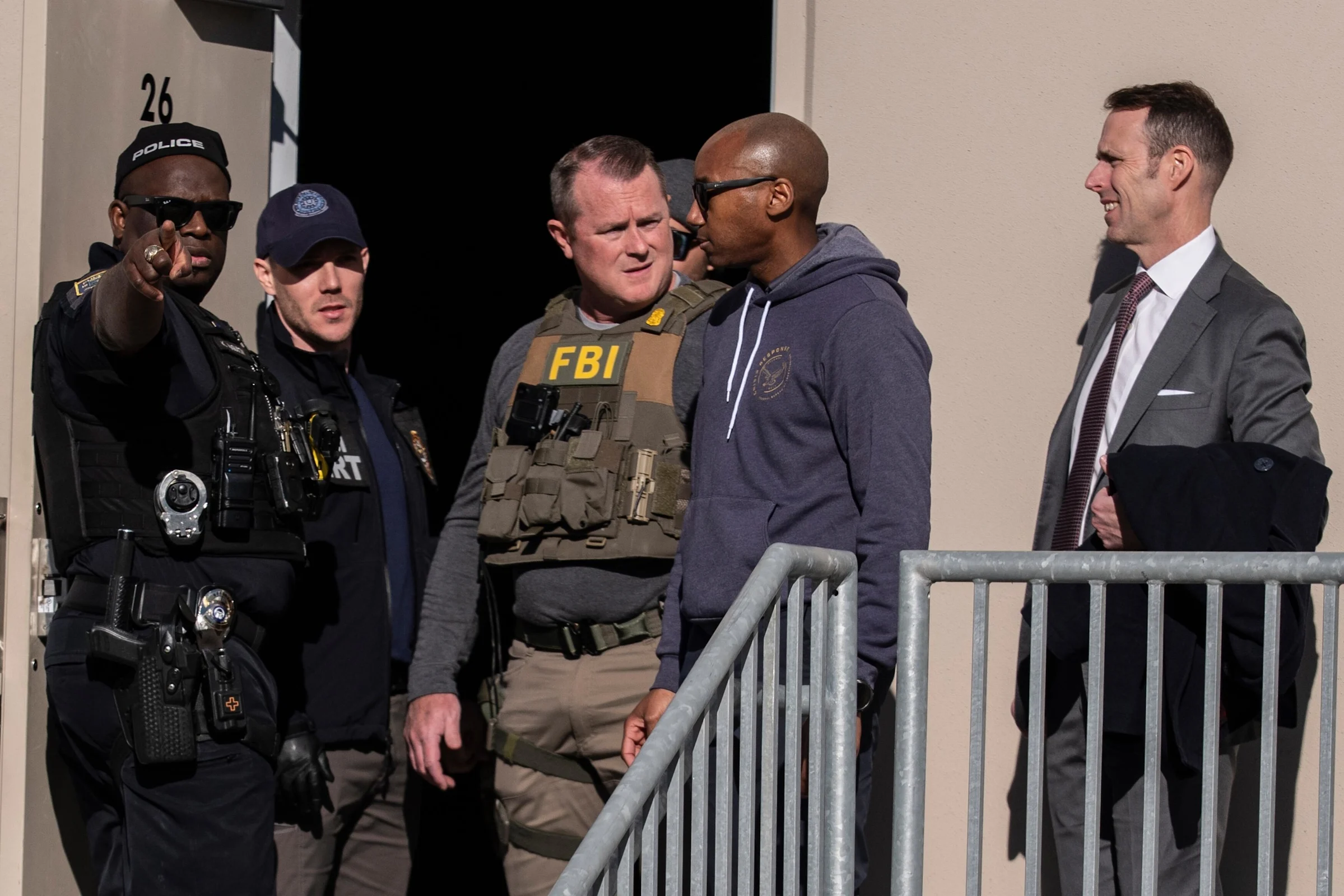
On January 29, federal agents executed a court-approved search warrant at a Fulton County elections office. Investigators sought physical ballots, ballot images, vote tabulation machine tapes, and voter rolls connected to the 2020 presidential election.
The newly unsealed affidavit outlines the FBI’s reasoning. According to the filing, the bureau is investigating whether any alleged irregularities in the 2020 vote-counting process were intentional acts that may have violated federal criminal statutes.
The investigation began after a referral from Kurt Olsen, described in the affidavit as a presidentially appointed Director of Election Security and Integrity. Olsen previously worked with Texas Attorney General Ken Paxton in efforts to challenge the 2020 election results before the U.S. Supreme Court.
The affidavit identifies five areas of concern. These include discrepancies in the number of scanned ballot images, claims that some ballots were scanned multiple times during recounts, and inconsistencies flagged during audits. It also references reports from auditors who observed absentee ballots that appeared unfolded, raising questions about standard mail-in ballot procedures.
Federal authorities cited potential violations of two laws: one prohibiting election officials from submitting fraudulent ballots or depriving voters of a fair election, and another requiring election officials to retain federal election records for 22 months.
A federal magistrate judge approved the search warrant after a finding of probable cause, a standard requirement in criminal investigations.
Why This Matters
Fulton County sits at the political heart of Georgia. The heavily Democratic county played a decisive role in President Joe Biden’s narrow 2020 victory in the state, a result confirmed through three separate counts.
Georgia’s Republican governor and secretary of state have repeatedly defended the integrity of the election. The state’s outcome also became a focal point in President Donald Trump’s efforts to contest the results.
The FBI’s actions now reopen scrutiny of a contest that has already been litigated, audited, and politically dissected for more than five years.
Beyond the legal implications, the seizure of election materials raises practical concerns. Fulton County officials argue that more than 650 boxes were taken and have asked a federal court to order their return. They also requested that any copies made by the government be preserved but not reviewed until the legal dispute is resolved.
A civil lawsuit filed by the Justice Department in December sought to compel the county clerk to turn over the same materials. County leaders have moved to dismiss that suit, arguing that the federal government lacks a sufficient basis to demand the records.
The case now sits at the intersection of federal authority, state election administration, and lingering political distrust.
What Analysts or Officials Are Saying
County officials, including Commission Chairman Robb Pitts and the Board of Registration and Elections, have challenged the scope of the federal action in court. They argue the seizure disrupts local control over election materials and lacks sufficient justification.
U.S. District Judge J.P. Boulee ordered the unsealing of court documents related to the case, including the full affidavit supporting the warrant. The order brought the legal arguments into public view.
Thomas Albus, interim U.S. attorney for the Eastern District of Missouri, is listed as the Justice Department lawyer overseeing the matter. His involvement, rather than that of a Georgia-based federal prosecutor, has drawn quiet questions among legal observers, though no official explanation has been provided.
Election law experts have expressed skepticism about the strength of the affidavit. Some argue that the document outlines administrative errors rather than deliberate misconduct and does not allege large-scale election theft.
They also note the absence of claims involving foreign interference or coordinated fraud, elements that would typically elevate a case of this magnitude.
Daljoog News Analysis
The affidavit appears to tread a narrow path. It stops short of alleging a coordinated scheme to alter election results. Instead, it focuses on procedural discrepancies that may or may not rise to the level of criminal violations.
That distinction is critical.
Administrative errors during an election conducted amid a global pandemic are not uncommon. What matters legally is whether such errors were intentional and whether they materially affected the outcome.
The FBI’s decision to pursue a search warrant signals that federal investigators believe further examination is warranted. However, the affidavit’s contents suggest a case still in its exploratory phase rather than one backed by definitive evidence of systemic fraud.
At the same time, the political context cannot be ignored. The 2020 election remains a deeply polarizing issue. Any federal action tied to that contest carries reputational and institutional risks.
If the investigation ultimately fails to substantiate criminal wrongdoing, it could reinforce arguments that election controversies are being prolonged beyond their evidentiary foundation. If violations are proven, it would reshape the national debate over election administration safeguards.
What Happens Next
The immediate next step will unfold in federal court. Fulton County officials are seeking the return of the seized materials and a pause on any federal review of copies.
Judicial rulings on those motions will determine whether investigators retain access to the documents during litigation.
Meanwhile, the criminal investigation itself continues. Federal authorities may conduct forensic reviews of ballot images, audit records, and machine data to assess whether discrepancies reflect clerical errors or intentional acts.
Any decision to file charges would require prosecutors to demonstrate clear evidence of criminal conduct under federal law.
Absent that, the case may conclude without indictments but with further legal clarification about federal oversight powers in election administration.
Five years after ballots were cast, Georgia’s 2020 vote remains under a legal microscope. The coming months will reveal whether this investigation produces substantive findings or adds another chapter to an already contested political history.