

A Republican lawmaker in Georgia is facing mounting resistance after introducing a measure to rename Sawnee Mountain in Forsyth County after President Donald Trump.
According to Daljoog News analysis, the proposal has quickly evolved from a symbolic tribute into a broader debate over history, identity, and political messaging in a key election year.
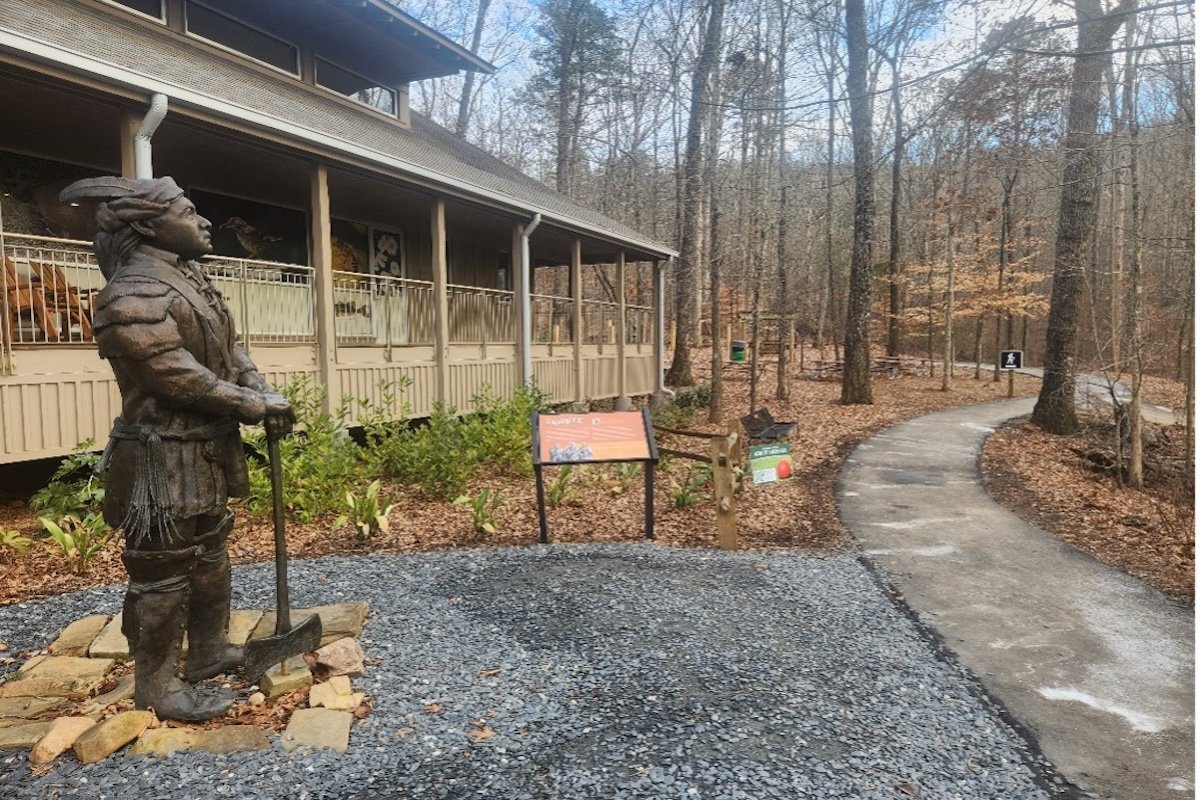
The mountain, located about 40 miles north of Atlanta, carries deep historical ties to the Cherokee Nation. Any effort to alter its name touches long-standing sensitivities tied to displacement and memory in the American South.
What Happened?
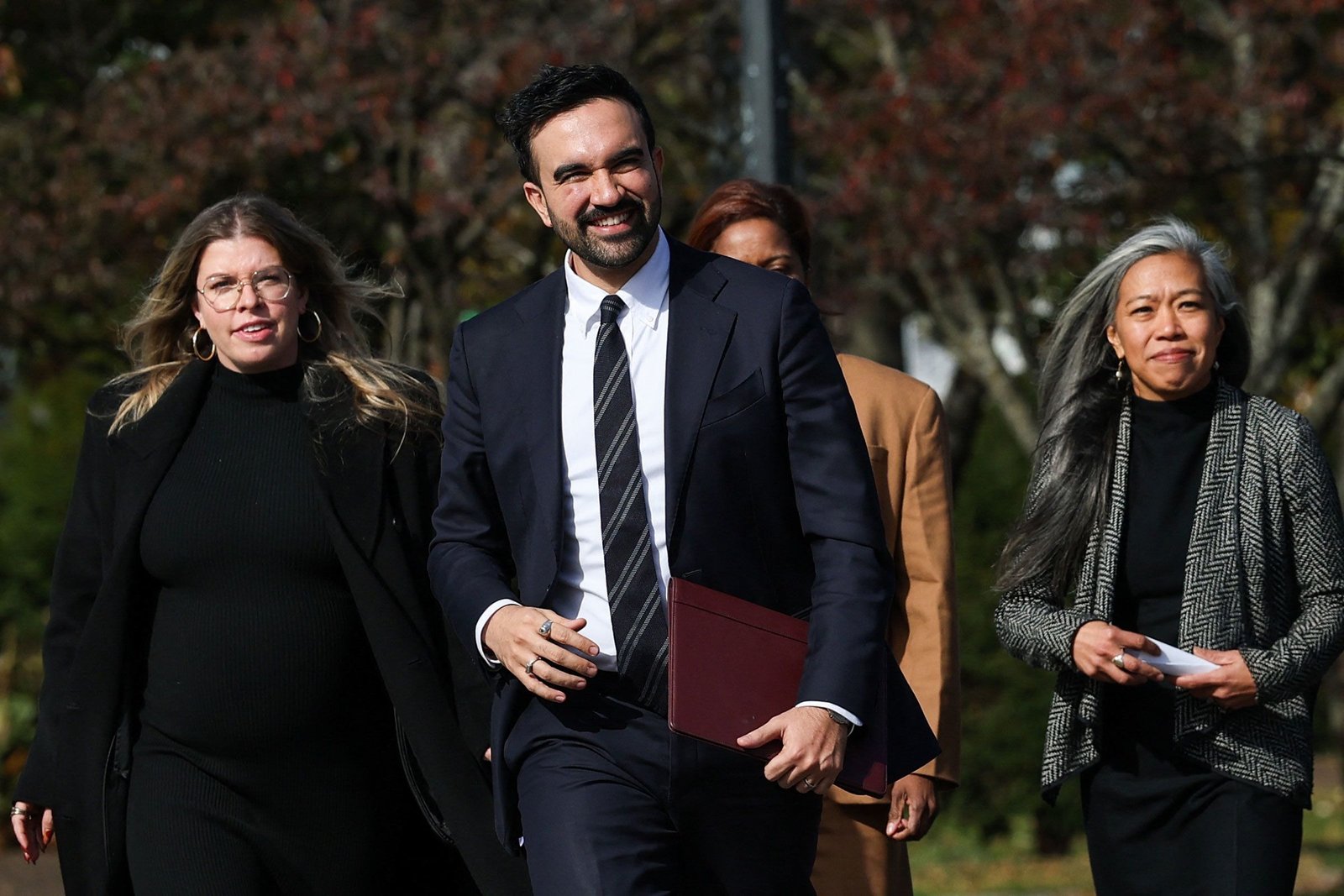
In early January, State Representative David Clark of Sugar Hill filed House Resolution 1053. The measure seeks to rename Sawnee Mountain as “Trump Mountain.”
In the resolution, Clark praised the 47th president as a transformative national leader and argued that the name change would recognize his political legacy.
Sawnee Mountain is named after Chief Sawnee, a Cherokee leader who lived in the region in the early 1800s. Historical records show that Sawnee and members of his tribe interacted with early settlers before the forced removal of roughly 16,000 Cherokee people during the Trail of Tears in the late 1830s.
The resolution remains on the House floor as of February 2026. Clark is currently the sole sponsor. No other lawmakers have formally signed on.
The proposal emerges as Clark campaigns for Georgia’s lieutenant governor position ahead of the Republican primary scheduled for May.
Why This Matters
Place names often serve as public markers of cultural identity. Changing them can reopen unresolved historical tensions.
Forsyth County has grown rapidly in recent decades, evolving from a rural community into a suburban extension of metro Atlanta. Yet Sawnee Mountain remains one of the county’s most recognized natural landmarks.
For many residents, the name reflects both Indigenous history and the region’s early settlement era. Altering it would signal a clear political statement rather than a neutral administrative update.
The debate also highlights how national political figures continue to shape state-level cultural battles. Across the country, lawmakers have advanced measures to rename public buildings, parks, or institutions in honor of prominent leaders. Supporters frame these efforts as recognition of achievement. Critics see them as partisan branding of shared civic spaces.
What Analysts or Officials Are Saying
Local officials in Forsyth County have publicly opposed the resolution.
County leaders have indicated they have no intention of changing the mountain’s name. They argue that the current designation reflects the area’s earliest known inhabitants and preserves local heritage.
County administrators have also emphasized their commitment to honoring Cherokee history in the region.
The proposal has drawn skepticism from within Clark’s own party. One Republican lawmaker of Cherokee descent questioned whether the change serves a meaningful public purpose. He signaled support for preserving historical identity while acknowledging broader party priorities.
Cultural and civil rights observers have framed the issue as part of a larger national conversation about who shapes public memory. Some argue that naming disputes are less about honoring individuals and more about asserting power over historical narratives.
Clark has not publicly responded to repeated media inquiries regarding the backlash.
Daljoog News Analysis
The Sawnee Mountain proposal appears to carry more political symbolism than legislative momentum.
With no co-sponsors and visible local opposition, the measure faces steep odds in the General Assembly. Its timing, however, is difficult to ignore. As Clark seeks higher statewide office, the resolution positions him clearly within a segment of the Republican electorate that values overt displays of loyalty to Trump.
At the same time, the move risks alienating moderate voters and local officials who view the mountain’s name as part of regional heritage rather than partisan identity.
Georgia has long balanced rapid economic growth with complex historical legacies. Disputes over monuments and place names have surfaced repeatedly across the South in recent years. Each case forces lawmakers to weigh political signaling against community consensus.
The question is not simply whether a landmark should bear a different name. It is whether state power should be used to recast local history in the image of contemporary politics.
What Happens Next
House Resolution 1053 remains pending on the House floor. Legislative leaders have not indicated whether it will receive a hearing or vote.
Given the absence of co-sponsors and firm opposition from county leadership, observers expect the measure to face significant procedural hurdles.
Meanwhile, Clark’s lieutenant governor campaign continues ahead of the May Republican primary. The controversy surrounding the renaming proposal may shape how primary voters and party leaders evaluate his candidacy.