


Federal immigration authorities arrested 261 beneficiaries of the Deferred Action for Childhood Arrivals program, commonly known as DACA, during the first 10 months of President Donald Trump’s second term, according to Department of Homeland Security data obtained by Daljoog News.
According to Daljoog News analysis, the figures provide the most detailed official account yet of how the second Trump administration’s immigration enforcement efforts affected “Dreamers,” while highlighting broader debates over criminality, deportation policy, and the future of DACA.
The arrests occurred against the backdrop of ongoing legal uncertainty surrounding DACA, which protects immigrants brought to the U.S. as children from deportation and grants them temporary work permits.
What Happened?
A letter from DHS Secretary Kristi Noem to Senator Dick Durbin outlined that 261 DACA recipients were taken into ICE custody between January 1 and November 19, 2025. During that period, 86 were deported.
DHS reported that 241 of the 261 individuals—roughly 92%—had criminal histories, which include pending charges and past convictions. The department did not provide further details on the severity or nature of these records.
Daljoog News confirmed that these arrests were part of the broader nationwide deportation efforts under the Trump administration. However, it remains unclear how many occurred during the final days of the Biden administration, which generally did not target DACA recipients.
Why This Matters
The disclosures intensify scrutiny of the Trump administration’s enforcement practices and their impact on immigrants granted temporary protections.
Democratic Senators Durbin, Alex Padilla, and Mark Kelly called the arrests “deeply troubling,” arguing that detentions disrupt families, communities, and the social and economic stability of Dreamers.
The arrests also highlight the contrast between the criminality rates among DACA beneficiaries versus the broader population of immigrants taken into ICE custody. In the first year of Trump’s second administration, 60% of ICE detainees had criminal charges or convictions, but only 14% had violent records.
With roughly 516,000 DACA recipients nationwide as of June 2025, the 261 arrests represent a small fraction of the protected population but signal a significant enforcement escalation against a group previously shielded from deportation.
What Analysts or Officials Are Saying
Critics note that DACA recipients undergo extensive background checks before enrollment and at each renewal, making blanket assertions about criminality contentious. Advocates have pointed out that arrests often include individuals with minor or non-violent offenses.
Trump administration officials, including USCIS Director Joseph Edlow, have not publicly clarified long-term plans for DACA, leaving recipients in legal limbo. Courts in Texas and Louisiana have declared DACA unlawful, though existing recipients may continue renewing protections while litigation continues.
Supporters of the policy stress that DACA provides a pathway to legal work and stability, which is disrupted when beneficiaries are targeted for deportation—even if they have minor criminal histories.
Daljoog News Analysis
The numbers reveal the tension between immigration enforcement priorities and humanitarian considerations. While most of those arrested had criminal histories, the lack of clarity about the nature of these offenses makes it difficult to assess proportionality.
The high-profile arrests could have political consequences, energizing advocacy groups and shaping public discourse around immigration policy. They also underscore the fragility of DACA under Republican-led enforcement efforts.
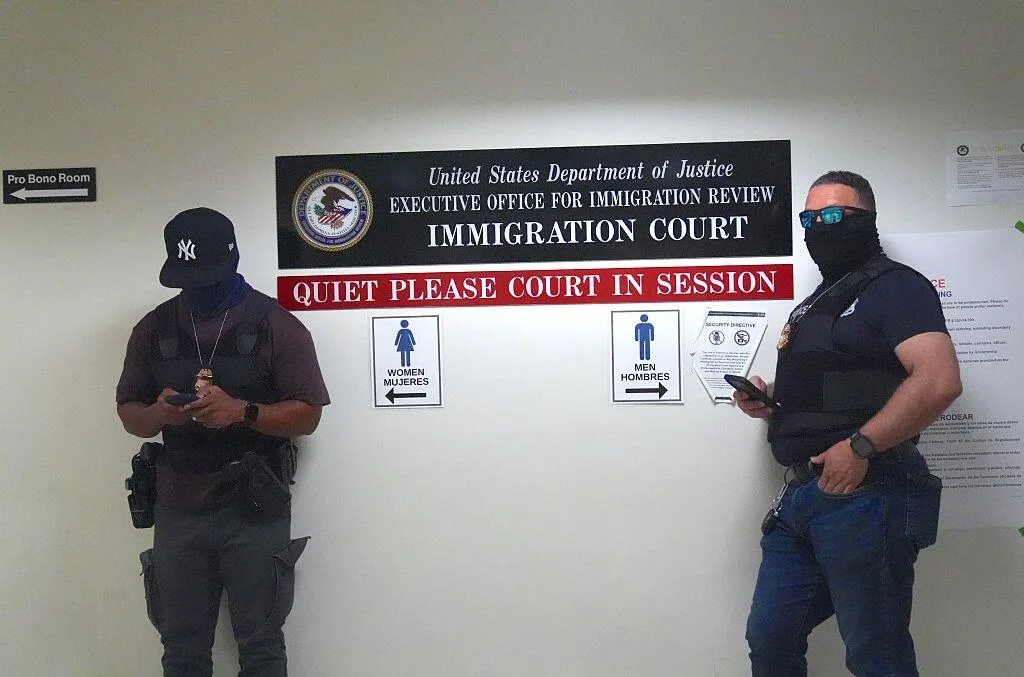
ICE’s approach reflects a continued Trump-era focus on stringent immigration enforcement, even against populations historically considered low-risk. This pattern may have broader implications for workforce participation, community integration, and ongoing litigation over DACA’s legal status.
What Happens Next
Congressional oversight and advocacy efforts are likely to intensify. Democratic lawmakers have requested additional information on the criminal records cited by DHS and may push for stricter protections for DACA recipients.
Legal challenges to the Trump administration’s enforcement policies are expected to continue, with courts potentially shaping the scope of ICE authority over Dreamers.
Meanwhile, the approximately 516,000 active DACA beneficiaries nationwide remain in a state of uncertainty. Any future enforcement actions, policy changes, or court rulings could significantly affect their ability to live and work in the United States.