


Claims of intimidation by immigration agents in Maine are drawing legal scrutiny after several residents said they were threatened for observing enforcement activity. The ICE Observer Intimidation Claims have prompted action from civil rights groups and state officials, while one man has begun the legal process that could lead to a federal lawsuit.
Although a recent immigration enforcement surge in Maine appears to have ended, concerns over agent conduct remain. In response, the Maine attorney general’s office and a civil rights group both launched new ways for people to report misconduct by immigration officers. These efforts follow reports that agents followed observers to their homes, filmed their faces or license plates, and made threats of arrest.
On Friday, a Maine law firm filed a notice of claim under the Federal Tort Claims Act on behalf of Bob Peck, a 67-year-old resident of South Portland. The filing seeks 7.5 million dollars in damages from federal agencies responsible for immigration enforcement. The claim alleges that agents violated Peck’s constitutional rights while he was observing their activity on public roads.
According to the filing, Peck was exercising his First Amendment right to observe law enforcement. He said agents threatened to arrest him if he continued to follow their vehicles at a safe distance. The claim also argues that agents stopped and threatened him without reasonable suspicion, which would violate the Fourth Amendment.
Peck recorded the encounter on video. In the footage, masked agents approach his car and warn him that following them was impeding law enforcement. Peck responds that he is only observing. One agent then tells him he could be pulled from his car and arrested if he continued.
Peck’s attorney said the legal action aims to prevent similar incidents in the future and to create a clear record of what happened. Under federal law, the government has six months to respond to the claim. It can accept, deny, or offer a settlement. If the claim is denied or ignored, the case could move to court.
Peck’s case appears to be the first legal action of its kind in Maine linked to ICE Observer Intimidation Claims. However, it is not the only reported incident. Several residents said agents tried to scare or silence them after they filmed or followed enforcement activity.
Some observers reported that agents drove to their homes after being filmed. Others said agents recorded their faces or vehicles. In one widely shared video, an agent told a woman she was being added to an internal database and labeled a “domestic terrorist.” Another incident involved agents firing paintball-like projectiles at cars in a parking lot.
State officials say they are taking the reports seriously. The Maine attorney general’s office said it has already received 15 credible reports of possible misconduct within four days of opening a reporting channel. The office is asking residents to submit videos, photos, or written accounts of incidents that may violate state or federal law.
A civil liberties group in Maine also created a form for people to report harassment, intimidation, detention, or use of force by immigration officers. Lawyers with the group say they are reviewing claims that agents retaliated against people for observing enforcement in public places.
Legal experts note that people have a clear right to observe law enforcement in public. Watching, filming, or following officers on public roads is protected speech, as long as it does not interfere physically. Threatening observers or following them home could cross legal lines, especially if done to discourage speech.
Community fear spread quickly during the enforcement surge. Some families stayed home. School attendance dropped in certain areas. Volunteers organized food deliveries, and some churches moved services online to protect members who feared being detained.
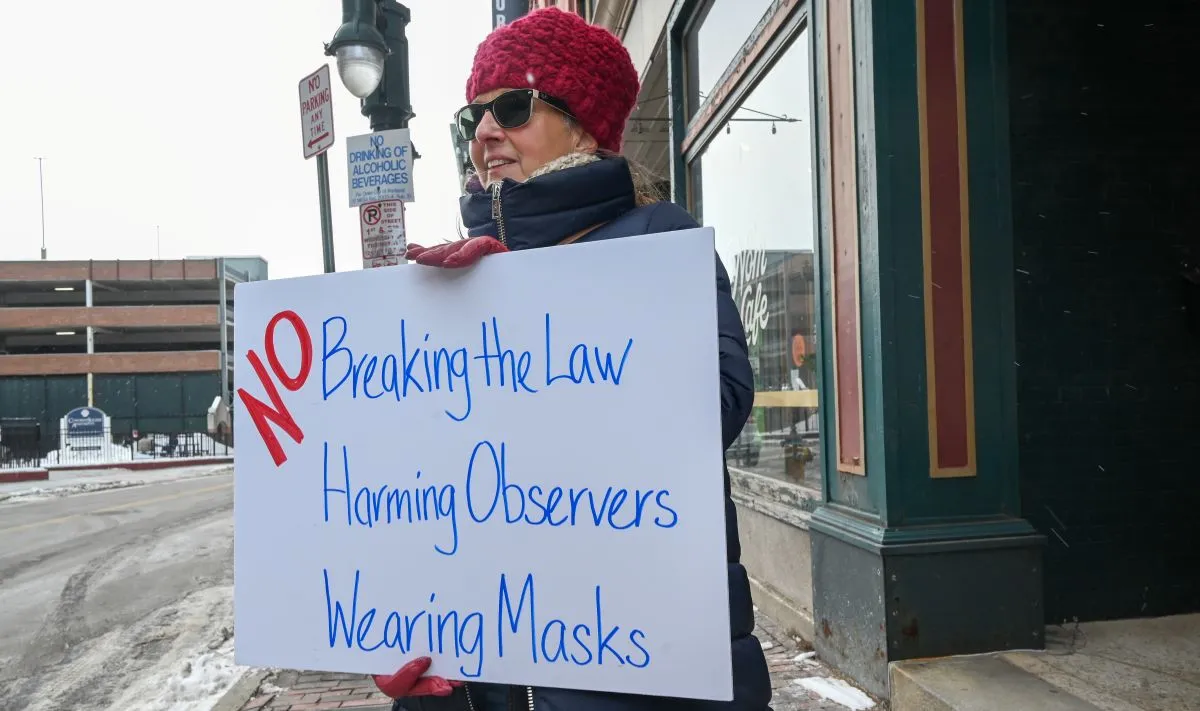
Despite the fear, many residents continued to observe immigration activity. They shared sightings through group chats and warned others by honking horns or blowing whistles. Several said they felt a duty to document enforcement to protect their neighbors.
As ICE Observer Intimidation Claims continue to surface, legal challenges appear likely to grow. Lawyers say the outcome of these cases could shape how immigration enforcement operates in Maine and how far agents can go when citizens exercise their rights in public spaces.