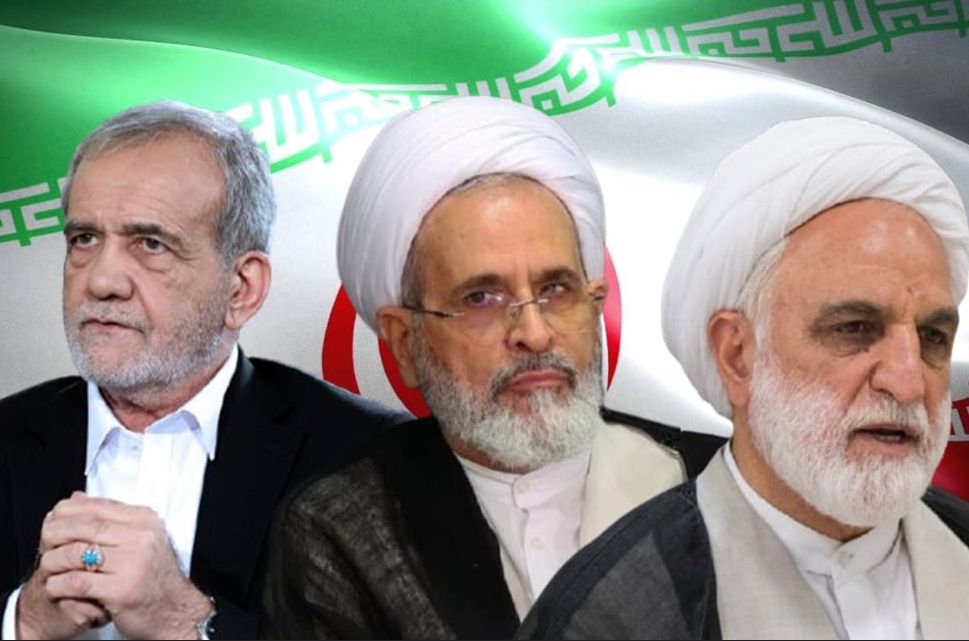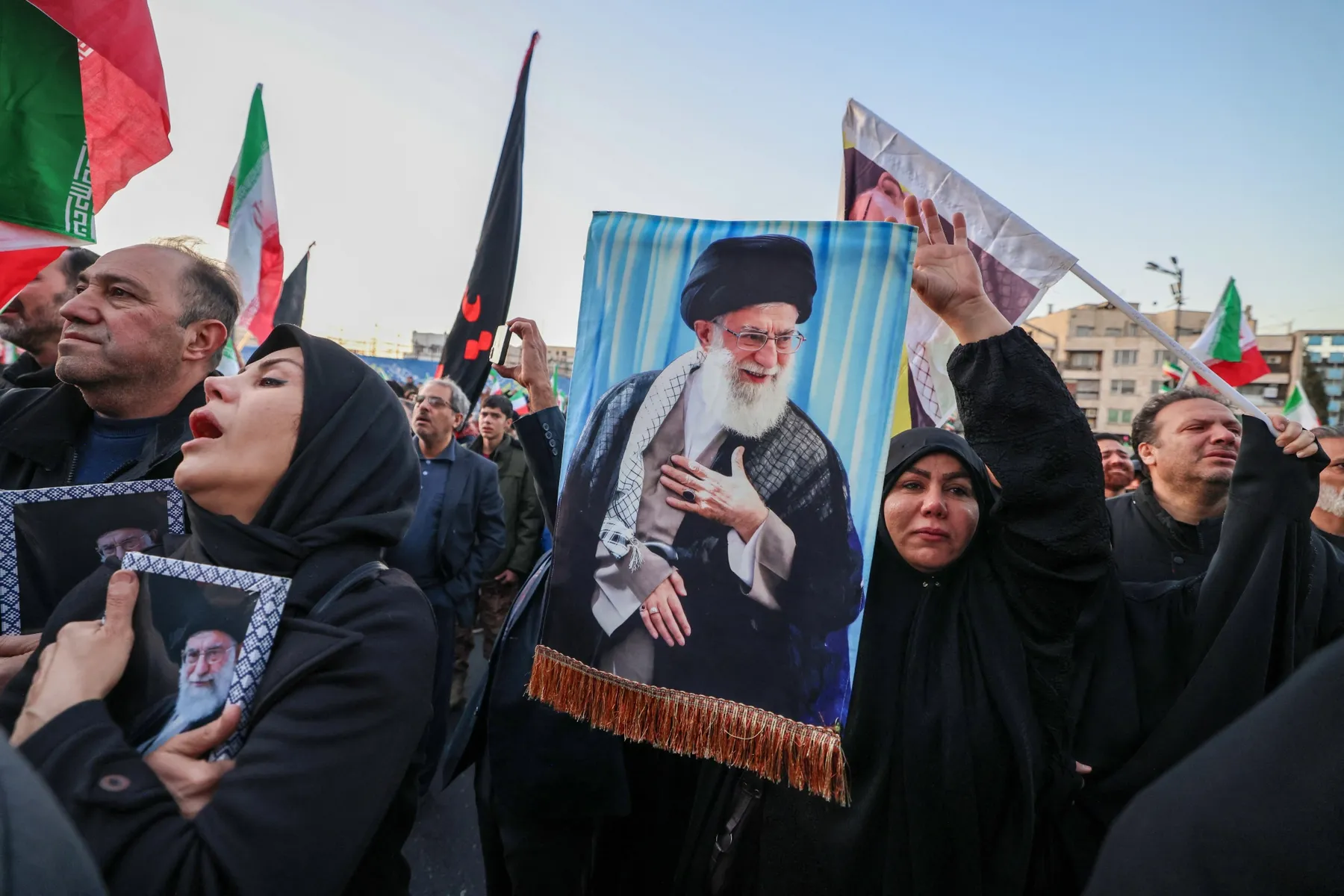


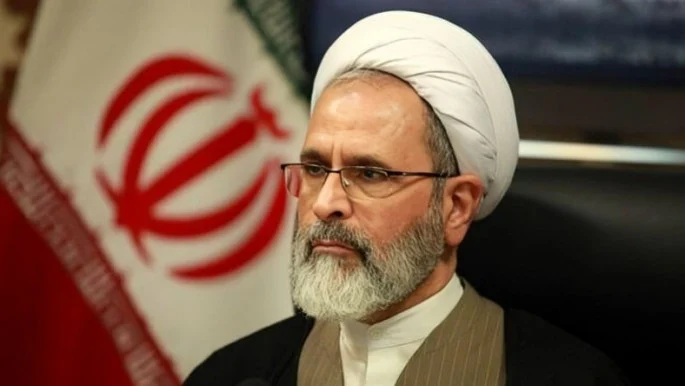
Iran has officially appointed Ali Reza Arafi as its new supreme leader following the death of Ali Khamenei. Observers say Arafi’s elevation signals a shift toward a more assertive and ideologically driven leadership.
According to Daljoog News analysis, the selection of Arafi may lead Tehran to adopt a tougher posture both regionally and internationally, with implications for diplomacy, security, and ideological influence.
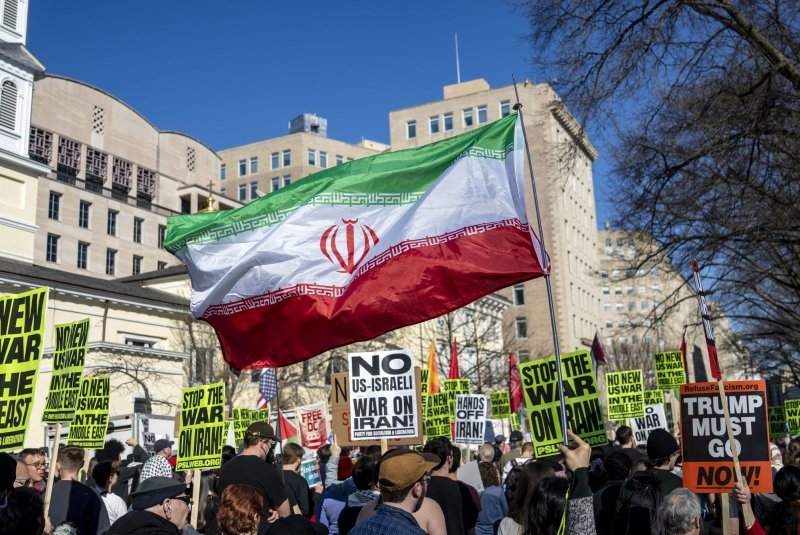
The appointment comes at a moment of heightened tension with the United States and Israel, following recent military exchanges and growing international scrutiny. How Arafi balances revolutionary ideals with geopolitical realities will shape Iran’s trajectory for years to come.
What Happened?
The Assembly of Experts confirmed Ali Reza Arafi as the interim supreme leader, consolidating his authority over both religious and political institutions. The decision followed the death of Khamenei, who had maintained a carefully calibrated approach to regional diplomacy and internal governance for decades.
Arafi’s record indicates a more uncompromising stance. He has long advocated for the active integration of religious institutions with public life, support for oppressed populations, and a globally assertive Iranian policy. His leadership in negotiating with Russia and involvement in strategic decisions with Saudi Arabia and other regional actors demonstrate both diplomatic experience and revolutionary credibility.
He also holds significant religious influence, serving as khatib at major seminaries and as chairman of Al-Mustafa International University. His appointment to the Guardian Council in 2015 reinforced his authority in shaping Iran’s ideological and political direction.
Why This Matters
Analysts argue that Arafi’s ascension may reshape Iran’s domestic and foreign policy. Unlike Khamenei, who often sought strategic balance, Arafi represents a more ideologically driven leadership style.
Regional powers, including Gulf states and Israel, may face a firmer Iranian posture. The West could encounter increased resistance in diplomatic negotiations, while Iran’s revolutionary narrative may gain renewed emphasis in cultural, educational, and political programs.
Arafi’s combination of religious authority and international experience could allow him to advance Iran’s regional influence, while consolidating internal power within clerical and military structures.
What Analysts or Officials Are Saying
Observers highlight Arafi’s decades-long involvement in Iranian politics and religious education as a key factor in his credibility. His track record includes both diplomacy and ideological enforcement, giving him leverage in both domestic and foreign arenas.
Experts suggest that his leadership may encourage a more assertive approach toward Western powers, while also seeking to expand Iran’s role in regional conflicts and multilateral agreements with countries like Russia.
Some analysts note that his experience interacting with international religious figures, including Pope Francis, signals an ability to navigate complex global relations despite a hardline domestic stance.
Daljoog News Analysis
Arafi’s leadership may mark a turning point in Iran’s political evolution. Where Khamenei pursued a cautious balance between revolutionary ideals and pragmatic diplomacy, Arafi appears more willing to assert Iran’s ideological and strategic positions forcefully.
This could result in tougher regional policies, more ideological programming domestically, and a harder stance in dealings with the West. At the same time, his diplomatic experience may allow Iran to project influence without immediate escalation into full-scale conflict.
How Arafi manages the delicate balance between revolutionary ambition, religious authority, and geopolitical realities will determine Iran’s domestic stability and its role in the Middle East.
What Happens Next
Expect Tehran to adopt a more assertive regional policy while monitoring reactions from global powers closely.
Diplomatic channels may continue cautiously, but signals suggest Iran’s strategy under Arafi will prioritize ideological influence, regional power projection, and the consolidation of clerical authority.
Observers will also watch for potential shifts in cultural and educational initiatives aimed at reinforcing revolutionary principles.
Under Arafi, Iran’s political landscape and balance of power in the Middle East could experience a decisive recalibration.