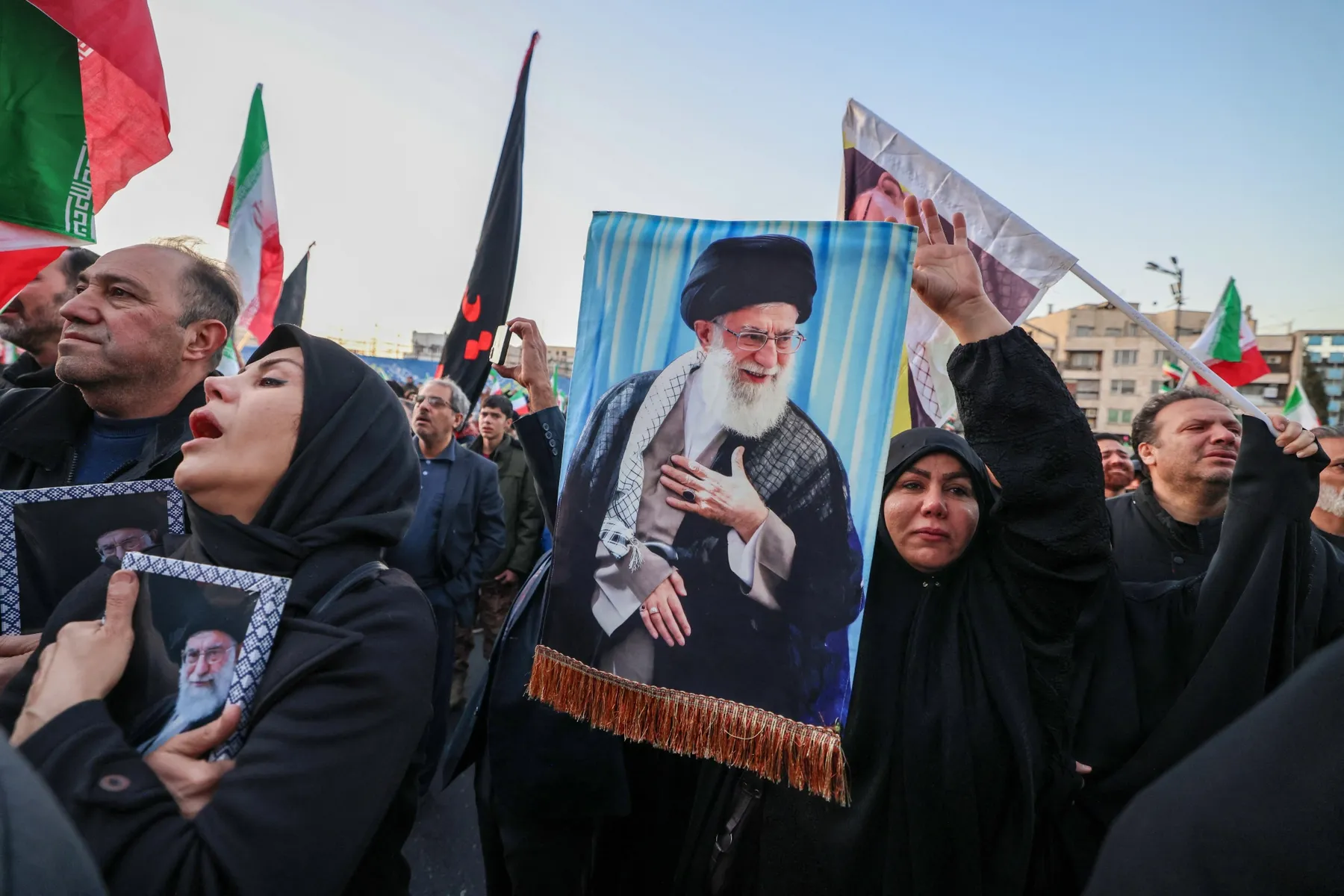


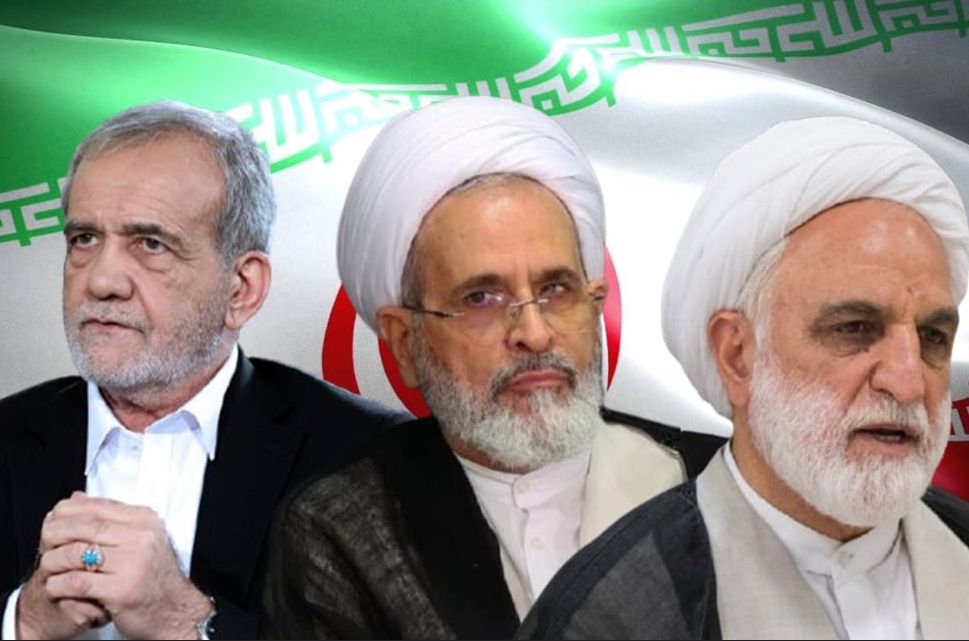
Iran has established a three-member interim leadership council following the death of Supreme Leader Ali Khamenei. The announcement was made Sunday on state television, marking the most significant political transition in the Islamic Republic in decades.
According to Daljoog News analysis, the swift formation of a temporary governing body signals Tehran’s effort to project continuity and prevent instability at a sensitive moment for the country.
The council will remain in place until the powerful Assembly of Experts selects a new supreme leader, a process that could reshape Iran’s political and military direction both at home and abroad.
What Happened?
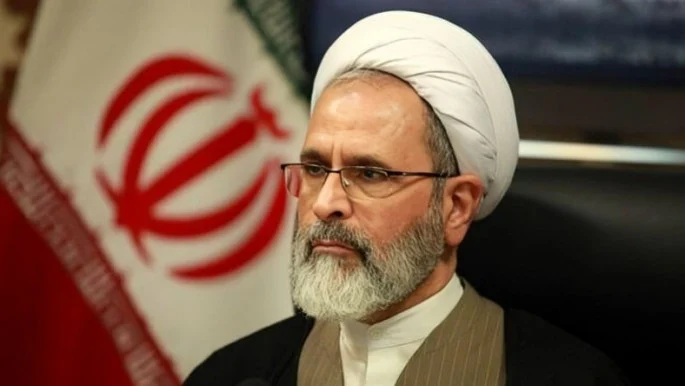
Iranian authorities confirmed the creation of an interim council composed of President Masoud Pezeshkian, Judiciary Chief Gholam-Hossein Mohseni-Ejei, and senior cleric Ali Reza Arafi, a key member of the Guardian Council.
The move follows Article 111 of Iran’s constitution, which outlines procedures in the event of the supreme leader’s death or incapacity. Under that provision, temporary authority is transferred to a council tasked with safeguarding state functions until a permanent successor is chosen.
Officials said the council’s primary responsibility is to maintain administrative control and oversee military command. It will also retain authority over foreign policy directives and national security decisions during the transition.
Iran’s Expediency Council reportedly finalized the council’s composition in line with prior constitutional guidance. Meanwhile, the 88-member Assembly of Experts — the body responsible for appointing the supreme leader — is expected to begin consultations on a successor.
In a televised address, President Pezeshkian described the moment as one of mourning but also resolve. He warned that Iran’s armed forces would continue taking strong measures against what he described as hostile powers.
Why This Matters
The death of Khamenei represents the most consequential political shift in Iran since 1989. For more than three decades, he stood at the apex of Iran’s political and religious hierarchy, exercising final authority over the military, judiciary, and key state institutions.
Any transition at that level carries risks.
Iran’s supreme leader is not merely a ceremonial figure. The role shapes defense strategy, nuclear policy, relations with regional actors, and engagement with Western governments. During a period marked by regional tension and sanctions pressure, leadership continuity is critical to Tehran’s strategic posture.
The formation of an interim council suggests authorities are determined to avoid any perception of a power vacuum. Markets, security forces, and political factions all watch such transitions closely. Even small signs of fragmentation could invite domestic unrest or external pressure.
The regional context heightens the stakes. Iran remains deeply involved in Middle Eastern geopolitics, including its relations with the United States and Israel. Any uncertainty at the top of the Iranian state could shift calculations across the region.
What Analysts or Officials Are Saying
Political observers note that Iran’s constitutional framework is designed precisely for moments like this. The Assembly of Experts holds ultimate authority to appoint a new supreme leader, but that body itself reflects complex internal political dynamics.
Some analysts believe the interim council’s composition balances elected authority, judicial oversight, and clerical legitimacy. President Pezeshkian represents the executive branch, while Mohseni-Ejei anchors the judiciary. Arafi, as a senior religious figure linked to the Guardian Council, reinforces clerical continuity.
Security officials have emphasized stability and deterrence in their early messaging. State media portrayed the transition as orderly and constitutionally grounded.
At the same time, regional analysts caution that succession politics in Iran are rarely simple. Internal debates among clerical elites, Revolutionary Guard leadership, and political factions may shape the final outcome.
Daljoog News Analysis
The speed of the announcement reveals more than administrative efficiency. It reflects a strategic communication effort.
Iranian authorities appear keenly aware that uncertainty can be as destabilizing as conflict. By publicly invoking constitutional procedures and presenting a united leadership front, Tehran seeks to reassure both domestic audiences and international observers.
Yet the coming weeks will test that unity.
The Assembly of Experts must now navigate competing interests while preserving institutional legitimacy. Historically, Iran’s leadership transitions have unfolded behind closed doors, with limited transparency. That pattern may continue.
There is also the question of generational change. Khamenei’s long tenure shaped an entire political era. A new supreme leader could signal either continuity or recalibration, especially in areas such as nuclear diplomacy and regional strategy.
For global stakeholders, the key question is whether Iran’s external posture hardens or moderates during the transition. Early rhetoric from state leaders emphasized strength and resistance. But rhetoric does not always predict long-term policy.
What Happens Next
Attention now turns to the Assembly of Experts. That body will convene to deliberate and ultimately vote on a successor. The timeline remains unclear, but constitutional urgency suggests the process will move quickly.
In the meantime, the interim council will continue overseeing national security, foreign policy coordination, and administrative governance.
International governments are likely to monitor signals from Tehran closely. Diplomatic channels may remain cautious until a permanent leader is named.
Domestically, Iran’s leadership will aim to prevent unrest and maintain institutional cohesion. Public messaging will likely stress unity, stability, and resistance to external pressure.
The transition is historic. Whether it produces continuity or transformation will define Iran’s political trajectory for years to come.