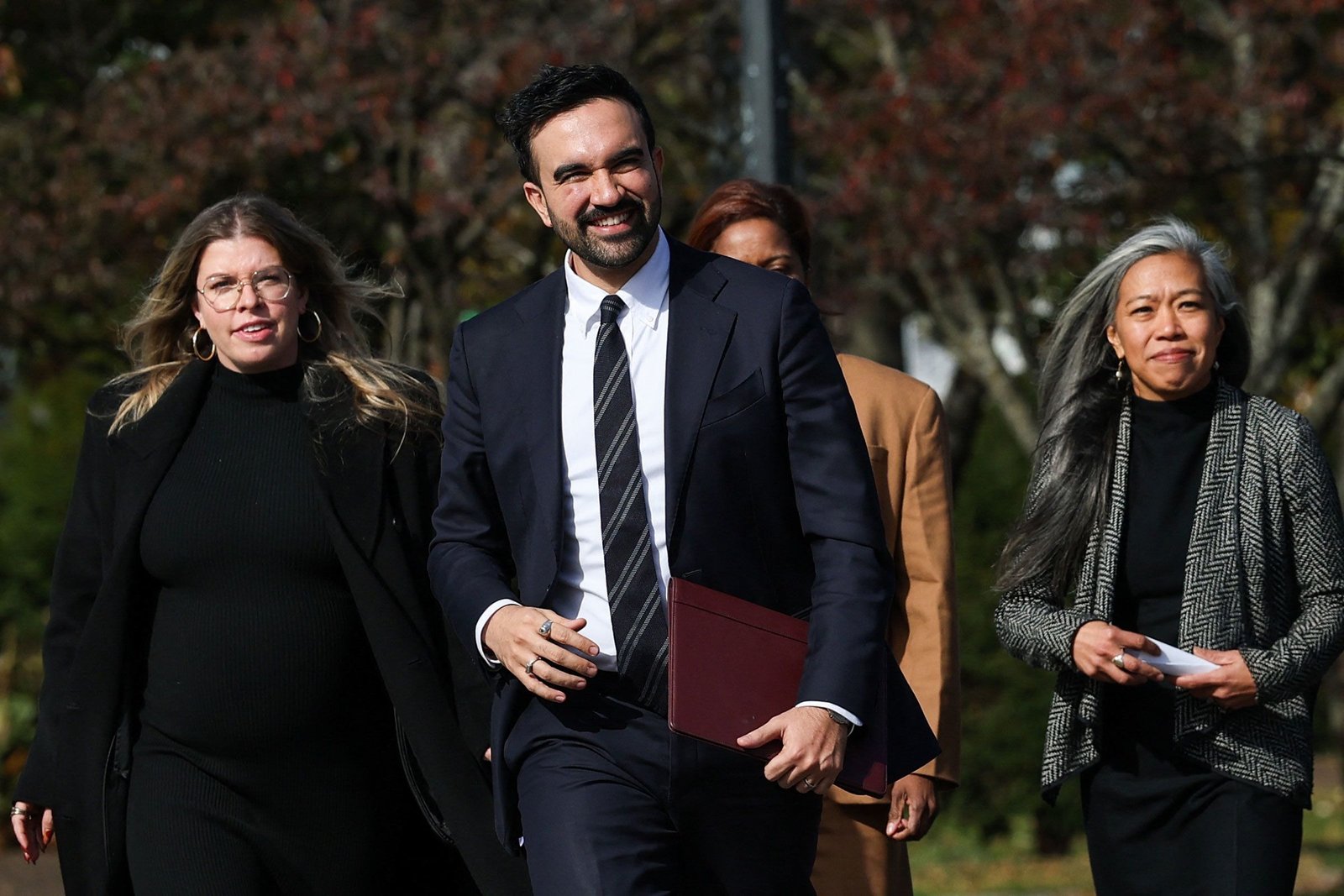



New York City Mayor Zohran Mamdani framed the city’s sanctuary status as a moral and religious duty at his first annual interfaith breakfast on Friday, invoking the Bible, Quran, and Bhagavad Gita to defend local immigration policies.
According to Daljoog News analysis, Mamdani used his speech to connect faith-based teachings with municipal sanctuary laws, positioning New York as a city guided by compassion and religious principles.
The address comes amid heightened national debates over immigration enforcement and federal oversight, as New York strengthens protections for undocumented residents.
What Happened?
Mamdani spoke to nearly 400 faith and community leaders at the New York Public Library, denouncing federal immigration operations as inflicting “terror upon our neighbors” and causing “cruelty that staggers the conscience.”
He described federal enforcement as arriving “atop a pale horse,” leaving families torn apart and lives shattered, framing immigration protection as a response to attacks on “the stranger.”
Drawing from his interfaith upbringing—Muslim father, Hindu mother—Mamdani highlighted New York’s religious diversity and the shared ethical imperative across faiths to support the vulnerable.
He cited passages from the Torah and Deuteronomy emphasizing “loving the stranger,” the Bhagavad Gita urging citizens to feel the sorrows of others as their own, and Buddhism’s teachings on overcoming desire, hatred, and ignorance to alleviate suffering.
Turning to Islam, Mamdani recalled Prophet Muhammad’s migration from persecution, quoting Surah An-Nahl 16:42 and a saying about Islam being “strange” to illustrate solidarity with immigrants and refugees.
Why This Matters
Mamdani’s speech underscores the religious and ethical foundations used to justify sanctuary city policies. By linking scripture to municipal governance, the mayor frames New York’s immigration protections as both a legal and moral obligation.
The event also reinforced the city’s commitment to sanctuary laws, demonstrating that faith-based narratives are now a central component of public messaging around immigration protections.
This approach comes as federal agencies continue enforcement operations nationwide, and cities like New York work to safeguard access to social services for undocumented residents without fear of federal intrusion.
What Analysts or Officials Are Saying
Legal observers note that sanctuary policies must balance federal law with local authority. Executive Order 13, signed by Mamdani at the event, bars federal agents from city property without a judicial warrant, reaffirming longstanding sanctuary protections.
Activists and faith leaders praised Mamdani for highlighting the moral dimension of immigration policy, connecting religious principles with practical support for immigrants. The “Know Your Rights” campaign announced at the event will distribute 32,000 guides in ten languages to empower faith communities to educate congregants about their legal protections.
Daljoog News Analysis
Daljoog News sees Mamdani’s speech as both symbolic and strategic. By rooting sanctuary policies in scripture, the mayor strengthens community support and frames immigration protection as a civic as well as a moral responsibility.
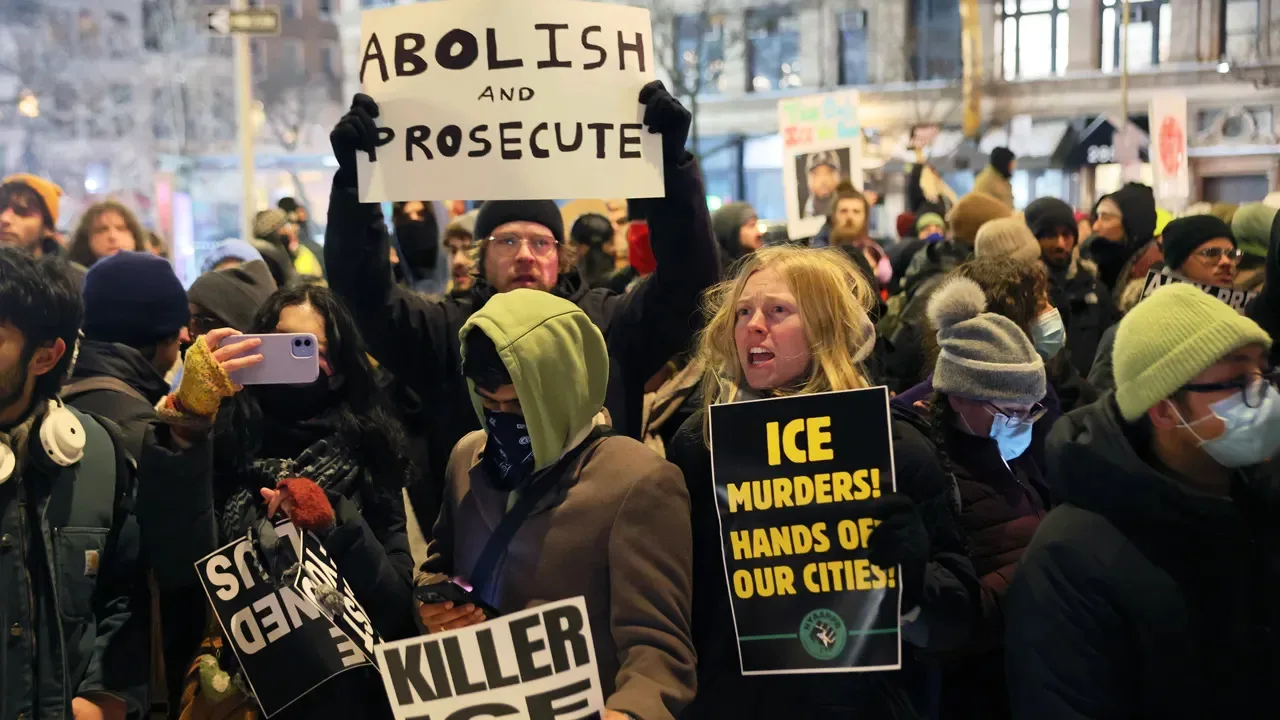
The interfaith message also signals a coalition-building approach, inviting religious communities to actively participate in immigrant advocacy. Honoring activists killed in Minneapolis confrontations with ICE reinforces the stakes and the ethical framing of sanctuary enforcement.
What Happens Next
New York City will implement Executive Order 13 while launching the multilingual “Know Your Rights” campaign. Faith leaders will play a critical role in distributing information and guiding immigrant communities.
Mamdani’s interfaith emphasis may serve as a blueprint for other sanctuary cities seeking to align ethical, religious, and municipal messaging in the ongoing national debate over immigration enforcement and federal authority.