


Maryland has a long history of taking bold steps.
It hosted the U.S. capital during the treaty that ended the Revolutionary War. The state passed the first American law for religious freedom. It built the nation’s first railroad. In 2020, Maryland became the most diverse state on the East Coast, with three of the nation’s most diverse cities.
This progress shows Maryland’s commitment to inclusion. Today, the state has the fourth-highest share of Black residents and elected its first Black U.S. senator in 2023. Despite these advances, voters still face barriers. The Maryland Voting Rights Act (MDVRA) is key to protecting them.
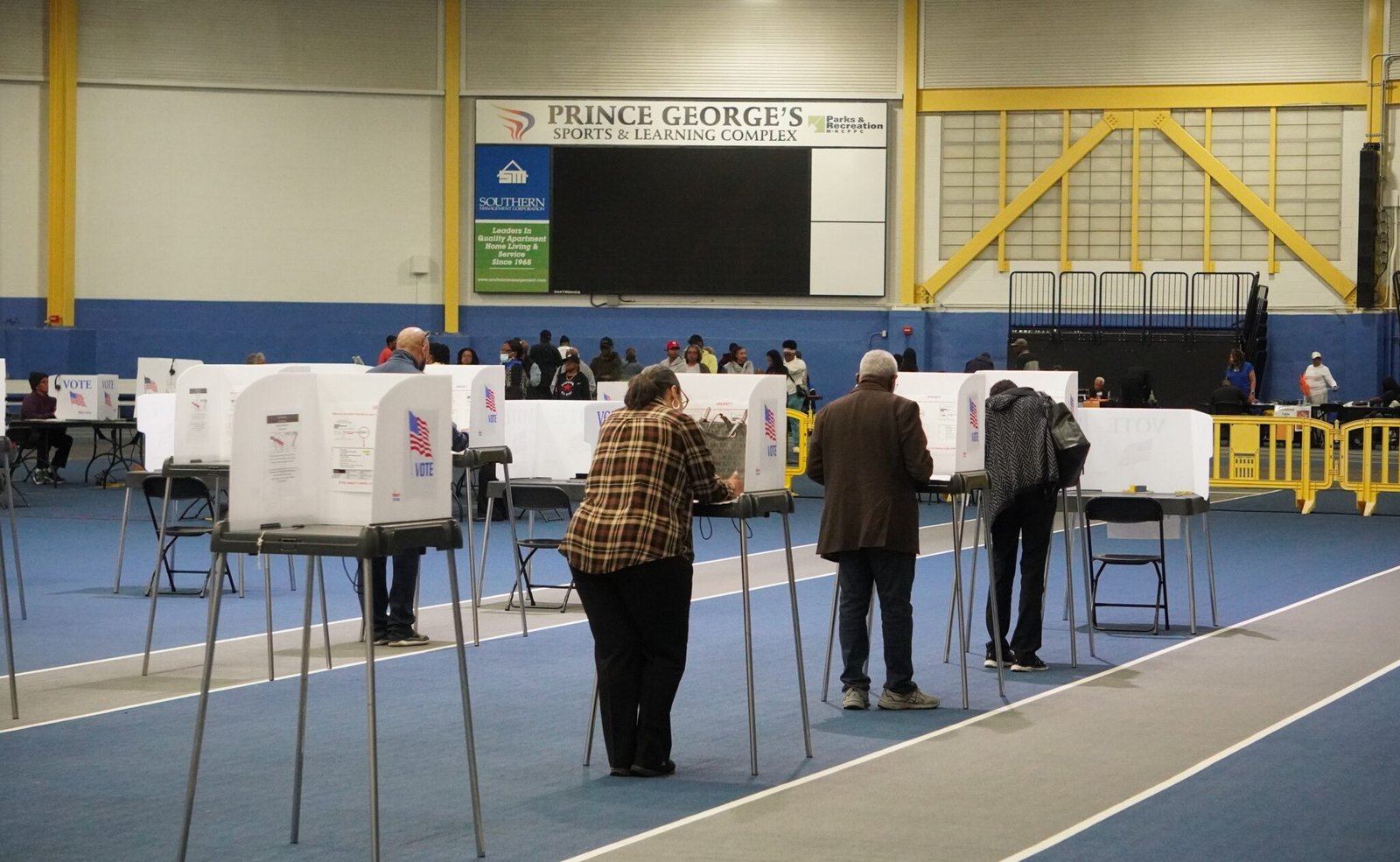
Maryland has the second-highest share of eligible Black voters in the U.S. Yet, the racial turnout gap between Black and white voters nearly doubled from 2020 to 2022. In 2024, turnout rose for all voters, but the gap remained. Even engaged voters of color can face laws that make voting hard.
The MDVRA is designed to help all voters cast meaningful ballots. It focuses on protecting Black voters who have faced historical obstacles. Marylanders also face federal threats. The Voting Rights Act of 1965 (VRA), a cornerstone law, is under attack. Courts have weakened protections for coalition districts and disabled voters. Federal actions have challenged voter registration and mail-in voting. These moves often target voters of color, young voters, and working-class Americans.
When voting rights weaken, democracy suffers. Reduced access to the ballot can affect schools, roads, health care, clean water, jobs, and other essential services. Maryland leaders must prioritize fair voting and protect voters from rollback efforts.
Vote dilution is a key concern. It occurs when systems prevent voters of color from electing candidates of their choice. Without fair voting, communities lose the power to influence local decisions. The MDVRA helps prevent this. It provides tools to detect and fix discriminatory practices. It also guides local officials in supporting voters and can save taxpayers money by avoiding costly lawsuits.
The MDVRA is especially crucial if the Supreme Court limits federal voting protections. Pending decisions, like Louisiana v. Callais, could reduce the ability to challenge unfair practices in court. The MDVRA would ensure Maryland voters still have strong protections.
Recent progress shows what is possible. In 2025, Maryland passed rules under the MDVRA to provide language assistance for voters. Yet, more work is needed. By 2026, Maryland must expand protections against vote dilution, suppression, and intimidation. This should be the top priority for legislators.
Now is the moment for Maryland to lead. The state can ensure voting rights remain strong, fair, and accessible for all residents. The MDVRA gives Marylanders a chance to secure democracy at home, no matter what happens at the federal level.