


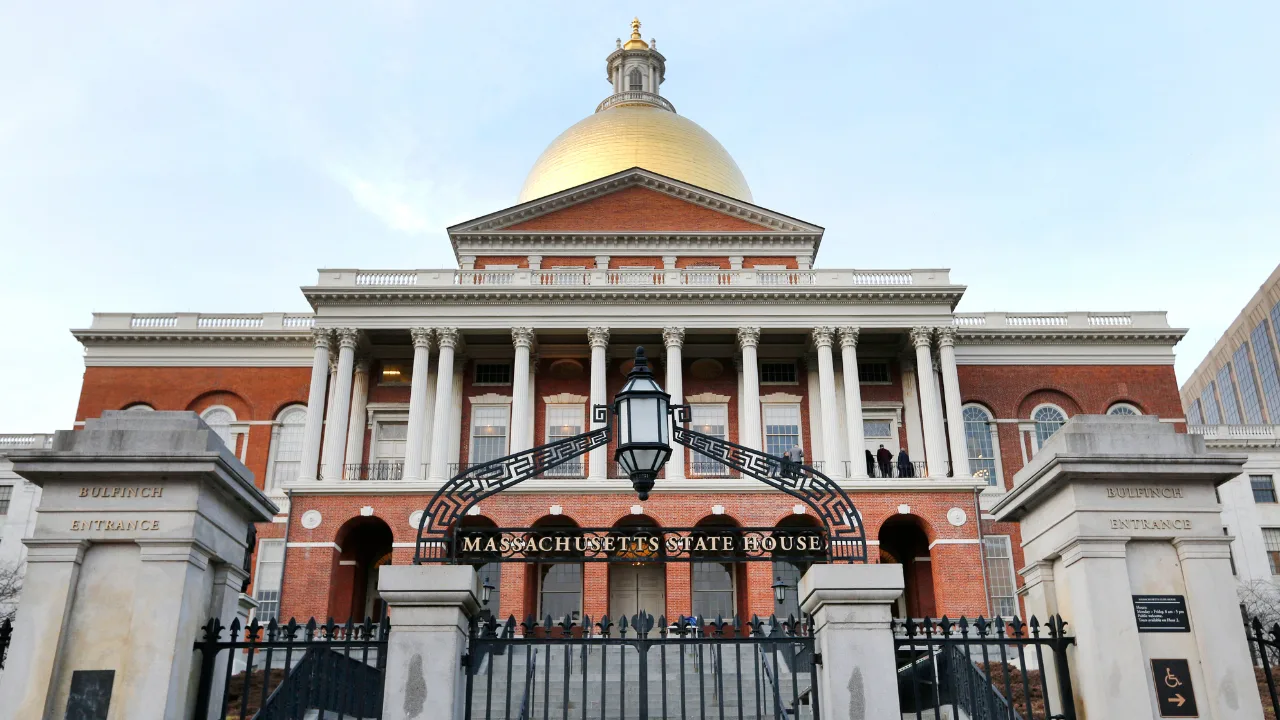
Massachusetts State Auditor Diana DiZoglio has taken her fight for legislative transparency to the state’s highest court after reporting nearly $12 million in alleged fraud within public assistance programs.
According to Daljoog News analysis, the Massachusetts audit lawsuit represents a rare intra-party clash, as a Democratic auditor challenges legislative leaders from her own party over access to financial records.
The dispute centers on a 2024 ballot measure that voters approved by a wide margin, granting the auditor authority to examine the state Legislature’s finances. The case now heads to the Massachusetts Supreme Judicial Court, where constitutional questions about separation of powers will likely dominate.
What Happened?
Diana DiZoglio announced she is filing a legal complaint with the Massachusetts Supreme Judicial Court to enforce a voter-approved audit law.
The ballot initiative passed with 72% support statewide. It authorized the state auditor’s office to conduct performance audits of the Massachusetts Legislature.
DiZoglio said she informed House and Senate leaders earlier this year of her intention to begin an audit. According to her office, legislative leaders declined to provide the requested documents.
The legal action follows a report from the auditor’s office identifying nearly $12 million in alleged fraud in fiscal year 2025 across several public assistance programs.
DiZoglio argues that transparency is essential to protecting taxpayer dollars. She has emphasized that Massachusetts remains the only state where the Legislature, the governor’s office, and the judiciary exempt themselves from public records laws.
The Massachusetts attorney general’s office has reportedly questioned whether the auditor has the authority to pursue the lawsuit without approval from that office.
Why This Matters
The case raises fundamental questions about government accountability and constitutional limits in Massachusetts.
Voters overwhelmingly supported expanding audit authority. If the high court sides with DiZoglio, it could reshape how legislative finances are reviewed and increase oversight of taxpayer-funded spending.
If the court sides with legislative leaders or the attorney general, it could reaffirm long-standing constitutional protections shielding the Legislature from certain executive branch oversight.
The reported $12 million in alleged fraud adds urgency to the debate. Public assistance programs serve vulnerable residents, and fraud allegations can erode public trust in safety-net systems.
Beyond the immediate numbers, the lawsuit touches on a broader national conversation about government transparency. Several states have expanded inspector general powers in recent years, often in response to pandemic-era spending controversies.
What Analysts or Officials Are Saying
DiZoglio has framed the dispute as a voter-driven mandate. She argues that bipartisan support for the ballot measure reflects public demand for greater accountability.
She has also cited her own background, noting that she grew up in a family that relied on public assistance. She says protecting these programs requires rooting out waste and abuse.
The attorney general’s office, however, has reportedly pushed back. Officials argue that constitutional privileges granted to the Legislature nearly 250 years ago may limit the auditor’s authority.
Legal analysts suggest the court will need to balance the will of voters with constitutional separation-of-powers principles. The Massachusetts Constitution provides the Legislature with certain protections that could complicate the enforcement of the new audit law.
Some observers see the dispute as a test of institutional boundaries rather than partisan ideology. Both sides are Democrats, underscoring that the fight is more structural than political.
Daljoog News Analysis
The Massachusetts audit lawsuit underscores a growing tension between direct democracy and constitutional tradition.
When 72% of voters approve a ballot measure, it signals a strong public appetite for reform. Yet ballot initiatives cannot override constitutional constraints without judicial interpretation.
DiZoglio’s strategy places the judiciary in a decisive role. By appealing directly to the high court, she is seeking clarity that could define oversight powers for years.
The alleged $12 million in fraud strengthens her argument politically. Fraud figures, even if later revised, create pressure for action. At the same time, legislative leaders may argue that internal oversight mechanisms already exist.
Daljoog News assesses that the outcome could influence transparency debates beyond Massachusetts. Other states may watch closely to see how courts reconcile voter-approved reforms with entrenched constitutional provisions.
The case also carries symbolic weight. DiZoglio has framed the dispute as a question of whether government institutions answer to voters or protect internal autonomy.
What Happens Next
The Massachusetts Supreme Judicial Court will review the auditor’s complaint and determine whether she has standing and authority to proceed.
If the court grants her request, the Legislature could face formal audit procedures requiring disclosure of financial records and contracts.
If the court denies her claim, lawmakers may revisit the ballot measure through legislative or constitutional amendments.
The timeline for a ruling remains uncertain, but the stakes are clear. At issue is not only alleged fraud in public programs, but also the boundaries of accountability within the Massachusetts government.
The high court’s decision will determine whether voter-backed audit authority becomes an enforceable tool — or remains a symbolic victory without practical reach.