


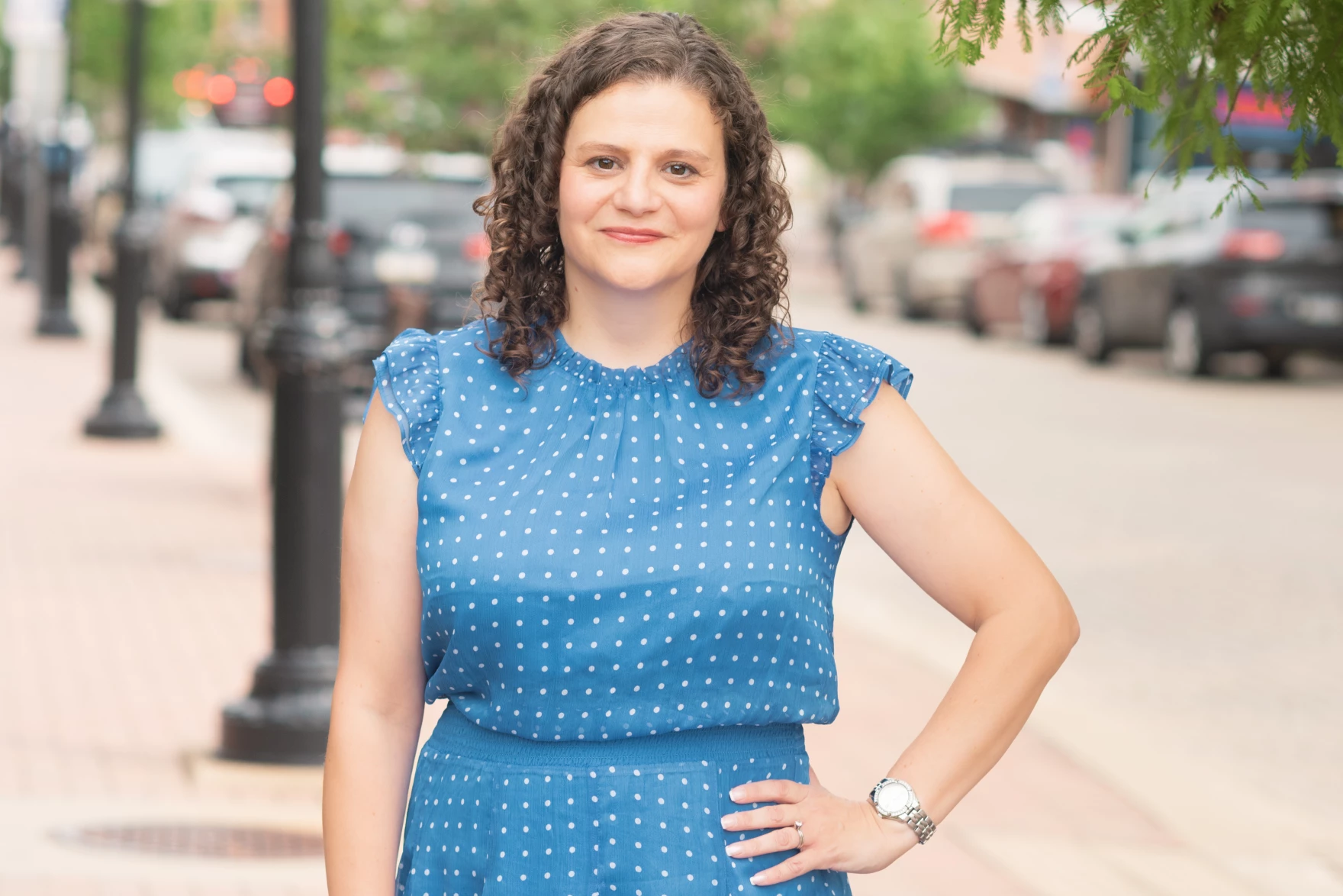
Democrat Jen Mazzocco has won the special election for Pennsylvania’s 42nd House District, according to projections from the Associated Press. The race was called at 8:45 p.m. Tuesday, shortly after polls closed.
According to Daljoog News analysis, the result helps Democrats maintain their fragile majority in the Pennsylvania House of Representatives, where every seat carries weight in shaping the legislative agenda.
The contest followed the resignation of Democratic lawmaker Dan Miller, who stepped down after winning an election to the Allegheny County Court of Common Pleas. His departure triggered a special election in a district long viewed as competitive but leaning Democratic.
What Happened?
Voters across Baldwin Township, Castle Shannon, Dormont, Mt. Lebanon and parts of Upper St. Clair cast ballots Tuesday to fill the vacant 42nd District seat.
Mazzocco, a Dormont Borough councilmember and teacher at Pittsburgh Allderdice High School, secured the seat over Republican candidate Joseph Leckenby, an attorney who previously challenged Miller in the 2024 general election.
The Associated Press projected Mazzocco as the winner less than an hour after polls closed at 8 p.m., signaling a clear margin in early returns.
The 42nd District, located in Allegheny County’s southern suburbs, has been politically active in recent election cycles. While Democrats have held the seat, Republicans have invested resources in narrowing margins in suburban districts across the state.
Why This Matters
Before the special election, House Democrats held a slim 100–98 advantage in Harrisburg, with five seats vacant. In such a tight chamber, even a single loss can shift committee control and stall legislation.
Mazzocco’s win stabilizes Democratic leadership, at least temporarily. It prevents Republicans from reducing the majority further and preserves procedural control over the legislative calendar.
Pennsylvania’s divided government makes House margins particularly significant. The governor’s office is Democratic, while Republicans remain influential in statewide politics. Legislative control determines how budget negotiations, tax proposals, and policy reforms unfold.
Suburban districts like the 42nd have also become political bellwethers. They reflect shifting voter attitudes on education, economic policy, and local governance.
What Analysts or Officials Are Saying
Democratic strategists view the result as confirmation that suburban voters remain receptive to their candidates, particularly those with strong community ties. Mazzocco’s background as a teacher and local councilmember likely strengthened her grassroots appeal.
Republican observers argue that the party continues to make incremental gains in Allegheny County suburbs, even in defeat. They note that special elections often produce unpredictable turnout patterns, making long-term trends difficult to assess.
Political analysts point out that Leckenby’s previous campaign experience gave him name recognition, but overcoming the district’s Democratic lean remained a steep challenge.
Election officials reported orderly voting throughout the district, with no major disruptions as polls closed at 8 p.m.
Daljoog News Analysis
The outcome reinforces a key political reality in Pennsylvania: suburban districts now decide control of the legislature.
The Democratic majority in the House remains narrow and vulnerable. With five vacancies still outstanding, party leaders cannot afford complacency. Each special election becomes a high-stakes test of organizational strength and turnout operations.
Mazzocco’s profile aligns with a broader Democratic strategy of fielding locally embedded candidates rather than purely ideological figures. Her professional background and borough-level experience likely resonated with voters seeking practical governance.
Republicans, meanwhile, face the challenge of expanding appeal in districts where cultural and economic issues intersect. Narrowing margins may signal opportunity, but converting those gains into wins remains the hurdle.
The larger picture suggests ongoing volatility. Pennsylvania voters have demonstrated a willingness to swing between parties depending on national mood, economic conditions, and candidate quality.
What Happens Next
Attention now turns back to Harrisburg, where lawmakers face upcoming budget negotiations and policy debates.
Democrats retain their 100-seat majority for now, but future special elections could reshape the balance again. Both parties will invest heavily in mobilizing voters for those contests.
Mazzocco will prepare to be sworn in and begin her term representing the 42nd District. Early legislative priorities are expected to center on education funding and local infrastructure issues.
The political margin remains razor-thin. In Pennsylvania’s House, every vote counts — and Tuesday’s result ensures Democrats keep control, at least for the moment.