


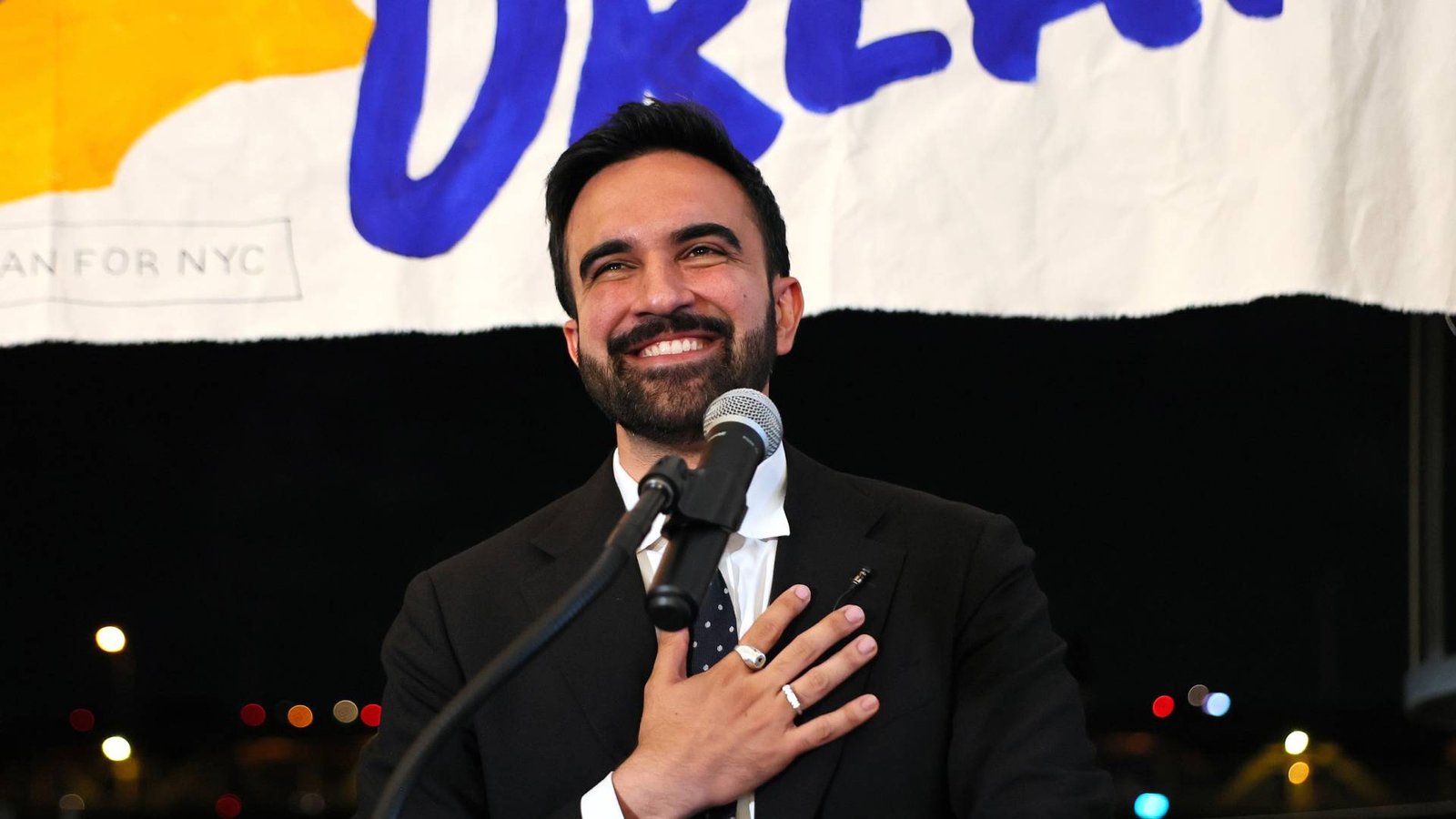
A city-controlled board has declined to renew the lease of a drone manufacturer that supplies equipment to Israel’s military, triggering political backlash against New York City Mayor Zohran Mamdani.
According to Daljoog News analysis, the decision has intensified scrutiny of Mamdani’s long-standing criticism of Israeli government policies, even as officials insist the lease move was based on operational grounds rather than politics.
The dispute centers on Easy Aerial, a Brooklyn-based drone company, and the Brooklyn Navy Yard, a major industrial campus overseen by a board whose members serve at the mayor’s pleasure.
What Happened?
The Brooklyn Navy Yard Development Corporation (BNYDC) chose not to renew its lease with Easy Aerial, a firm that produces unmanned aerial systems, including equipment sold to Israel.
The decision was reportedly made in December, with the company notified in January, shortly after Zohran Mamdani was sworn in as mayor on New Year’s Day.
BNYDC stated that the lease was not renewed for business reasons tied to operational and campus compliance matters. A spokesperson said the board evaluates tenants based on adherence to lease terms and internal policies, and that no other factors influenced the decision.
The move comes amid heightened activism at the Brooklyn Navy Yard. Since last year, pro-Palestinian protesters have called for the eviction of tenants conducting business with Israel.
City Councilmember Lincoln Restler publicly supported the lease termination, arguing that publicly owned property should not house companies whose products are used in armed conflict.
Why This Matters
The controversy reaches beyond a single lease agreement.
Mamdani, elected in November 2025, ran a campaign that included vocal criticism of Israeli settlement policy and support for the boycott, divestment and sanctions (BDS) movement. Critics now argue that the Navy Yard decision aligns with those views.
Opponents claim the move could signal that city-controlled entities may factor geopolitical considerations into commercial leasing decisions. Supporters counter that public assets should reflect ethical priorities consistent with city leadership.
The Brooklyn Navy Yard is a major economic hub, housing hundreds of businesses and thousands of workers. Any perception of politicized leasing decisions could influence investor confidence and tenant stability.
At the same time, New York’s political climate remains deeply divided over the Israel-Hamas conflict. Local policy decisions have increasingly intersected with international debates.
What Analysts or Officials Are Saying
BNYDC officials maintain that the lease decision stemmed from operational and compliance issues. They describe the process as routine landlord oversight.
Mamdani’s office has not publicly detailed any involvement in the board’s determination. While board members serve at the mayor’s pleasure, the corporation operates as a nonprofit entity managing city-owned property.
Critics have linked the decision to Mamdani’s past advocacy. During his political career, he has supported BDS efforts and called for ending certain state subsidies connected to Israeli settlements.
Scott Feltman of the One Israel Fund described the lease termination as harmful to both Israel’s security interests and New York’s economic base. He argued that the company contributes tax revenue and local jobs.
Supporters of the decision frame it differently. They argue that city-managed facilities should not host businesses whose products are used in military operations abroad.
Daljoog News Analysis
This dispute illustrates how local governance can become entangled with global politics.
While BNYDC cites business reasons, the timing — weeks into Mamdani’s tenure — fuels speculation. In politically charged environments, perception often carries as much weight as formal explanations.
If the lease decision was strictly operational, city officials will need to communicate that clearly to avoid lingering doubts. If broader policy considerations influenced the move, it may set a precedent for how publicly owned spaces engage with defense-related firms.
New York City’s economic ecosystem depends on maintaining predictability for businesses. Even symbolic actions can ripple through investment decisions, especially in sectors tied to defense or international markets.
Daljoog News assesses that the administration faces a balancing act. Mamdani must manage a diverse electorate, including strong pro-Israel constituencies and vocal pro-Palestinian activists, while safeguarding the city’s economic interests.
The episode underscores how municipal boards, though technically independent, often operate within the political context of mayoral leadership.
What Happens Next
Easy Aerial is expected to relocate operations outside the Brooklyn Navy Yard. It remains unclear whether the company will challenge the lease decision.
The mayor’s office may face continued pressure to clarify its role, if any, in the board’s action.
City Council members and advocacy groups on both sides of the debate are likely to keep the issue in public view, particularly as tensions surrounding Middle East policy remain high.
For now, the lease termination stands as an early test of how Mayor Mamdani’s foreign policy positions intersect with city-level economic governance — and whether that intersection carries long-term political consequences.