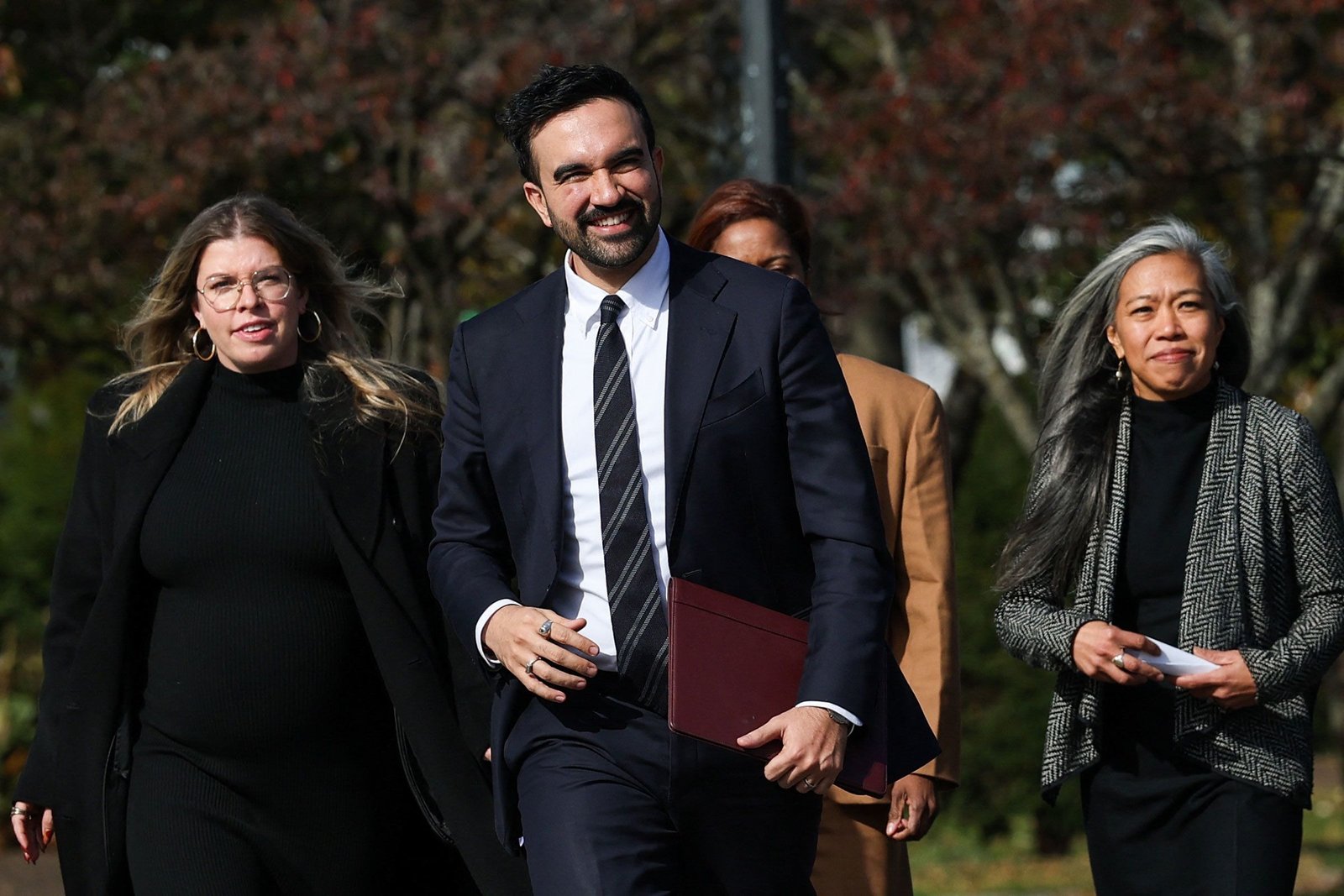



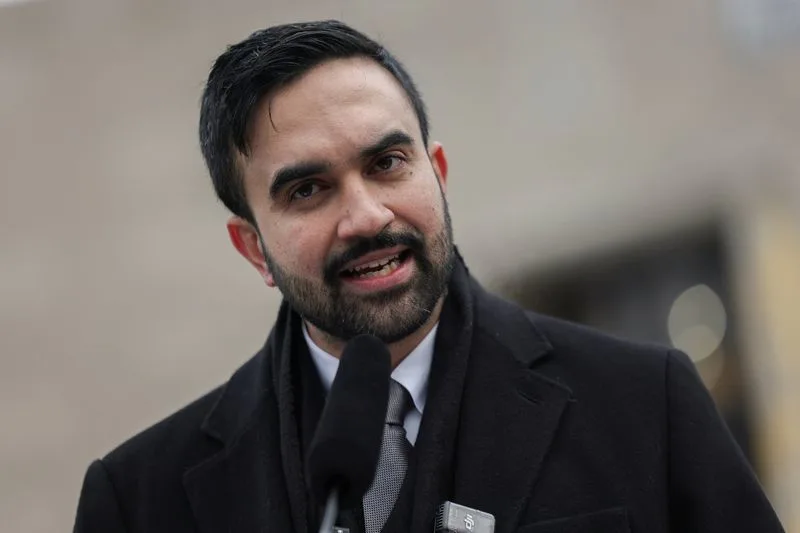
New York Mayor Zohran Mamdani has defended his decision to revoke a series of executive orders issued by former Mayor Eric Adams following Adams’ 2024 federal indictment. Mamdani said the move is intended to prioritize public needs over the actions of an individual.
The orders Adams issued included allowing federal agents, including immigration officers, to use an office at Rikers Island, the city’s main jail. That directive was later blocked by a court. Mamdani also struck down Adams’ orders that he framed as measures against antisemitism, saying his administration will still fund programs to prevent hate crimes and protect Jewish New Yorkers.
“September 26, 2024, was a moment when many New Yorkers lost faith in city politics and the government’s ability to serve the public rather than one individual,” Mamdani said, referring to the day Adams was charged with accepting illegal campaign contributions and luxury travel from foreign nationals seeking influence. The charges against Adams were dismissed in April by a U.S. judge at the Justice Department’s request.
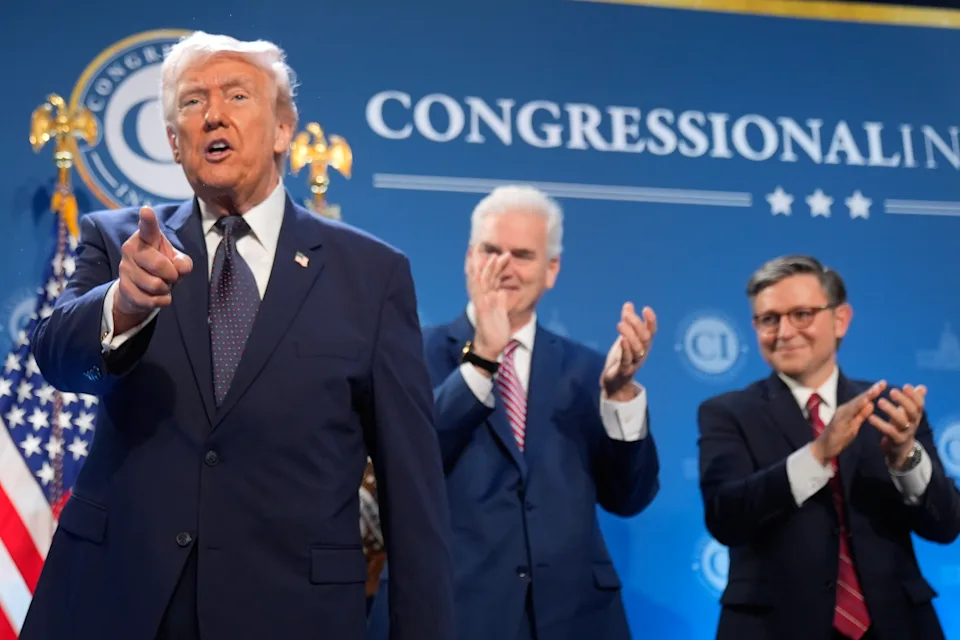
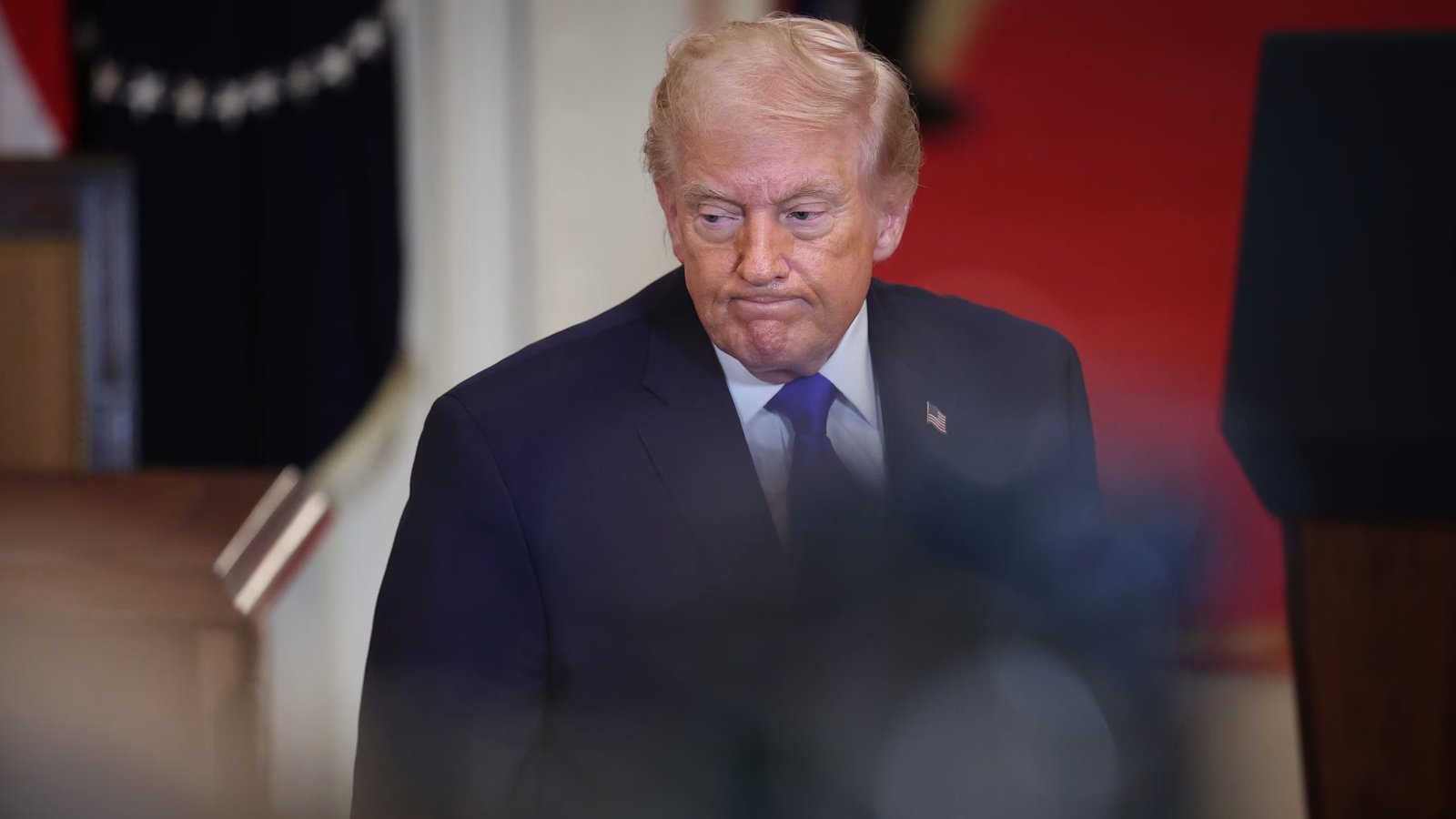
Mamdani, a progressive Democrat and supporter of Palestinian rights, has previously clashed with President Donald Trump over immigration enforcement. On Thursday, he revoked Adams’ orders that prevented city institutions from divesting from Israel and that defined antisemitism according to the International Holocaust Remembrance Alliance (IHRA) guidelines.
Groups like the Council on American-Islamic Relations argue that the IHRA definition has been used to silence advocacy for Palestinian rights. Mamdani’s decision drew praise from Islamic organizations, which called it a step toward protecting free speech and balancing interests in New York’s diverse communities.
However, Israel’s Foreign Ministry criticized the move on X, stating that Mamdani “shows his true face: He scraps the IHRA definition of antisemitism and lifts restrictions on boycotting Israel. This isn’t leadership. It’s antisemitic gasoline on an open fire.”
Mamdani emphasized that his administration will continue to focus on preventing hate crimes while ensuring that policies reflect the city’s priorities. The mayor’s approach reflects his commitment to public service and his desire to navigate complex issues related to religious freedom, advocacy, and international politics.
The revocation of Adams’ orders underscores the tension between progressive city leadership and established international frameworks, highlighting the challenges faced by New York City officials in balancing community safety, civil liberties, and global diplomatic concerns.
Mayor Mamdani’s actions are expected to remain a focal point in ongoing discussions about the role of executive orders, the IHRA definition, and city policy on international and domestic issues.