


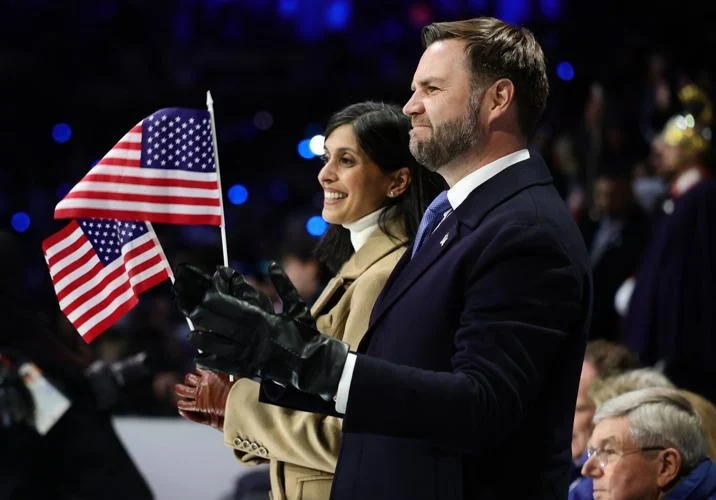
A 33-year-old Ohio man has been federally indicted for threatening to kill Vice President JD Vance using an automatic weapon, the Justice Department confirmed Friday. Authorities also allege the man distributed child sexual abuse materials.
According to Daljoog News analysis, this case highlights growing concerns over political violence in the US and the expanding threat environment for elected officials. Threats against public figures have become more frequent, raising questions about security and accountability.
The indictment comes as the country continues to grapple with politically motivated violence and as federal authorities step up efforts to protect high-profile officials during a tense political period.
What Happened?
Shannon Mathre of Toledo, Ohio, was indicted for threatening Vice President Vance on or around January 21. Court documents allege Mathre said, “I am going to find out where he is going to be and use my M14 automatic gun and kill him.”
During the arrest, federal investigators discovered that Mathre also possessed child sexual abuse materials. Deputy Attorney General Todd Blanche noted the dual nature of the offenses, emphasizing the seriousness of the threats. Attorney General Pam Bondi confirmed that prosecutors are pursuing the case vigorously.
Mathre’s attorney, Neil S. McElroy, called the charges related to threatening Vance “a farce,” though he declined to comment on the child sexual abuse materials charge due to the government not providing supporting documentation.
The US Secret Service, responsible for protecting the vice president, confirmed the investigation included both Mathre’s statements and his behavior over several months, working alongside the FBI and local Ohio authorities.
Mathre is currently in federal custody and is scheduled for a detention hearing on Wednesday. The threat charge carries a potential five-year prison sentence and a $250,000 fine. The child sexual abuse materials charge could result in up to 20 years in prison and a similar fine if he is convicted.
Why This Matters
The indictment of Mathre comes amid a broader wave of threats against Trump administration officials, underlining the heightened risks political figures face today. Public officials are increasingly targeted both online and in person, prompting law enforcement to expand surveillance and protection protocols.
These cases demonstrate the challenges in balancing civil liberties with national security. The threat environment for politicians has intensified, making personal security and public awareness central concerns for government agencies.
Just last month, a man was detained for damaging property at Vice President Vance’s Cincinnati residence. Authorities have also arrested individuals targeting other high-ranking officials, including OMB Director Russ Vought and presidential envoy Richard Grenell.
What Analysts or Officials Are Saying
Experts emphasize that the Mathre case reflects a larger pattern of politically motivated threats that federal agencies have been tracking for years. Analysts note that public figures, particularly during periods of political tension, are increasingly exposed to both online and in-person threats.
The Secret Service reinforced that protection efforts are proactive, monitoring behavior as well as communications. Officials stress that punishing threats to elected leaders is essential for maintaining a functioning democratic system.
Legal observers suggest that the combination of threatening statements and possession of child sexual abuse materials could lead to a stringent federal response, with prosecutors likely seeking maximum penalties.
Daljoog News Analysis
The Mathre indictment highlights how political rhetoric and social media interactions can escalate into real-world security risks. While not all threats result in violent action, law enforcement faces the difficult task of discerning credible threats from idle statements.
Daljoog News analysis finds that this case may also shape ongoing debates over public safety, privacy, and online monitoring. Lawmakers and security agencies are being forced to evaluate how threats are identified, prosecuted, and prevented, with implications for political discourse nationwide.
This incident also illustrates the intersection of criminal behavior with political violence, raising concerns about the broader implications of radicalization, online radical networks, and the security of public figures.
What Happens Next
Mathre will appear in federal court for a detention hearing this week, and prosecutors are expected to pursue both counts aggressively. Conviction could result in lengthy prison sentences and fines, sending a strong message about the consequences of threatening government officials.
Authorities will continue monitoring threats against Vice President Vance and other high-profile officials, particularly as political tensions remain elevated. Security agencies may also review protective measures, both digitally and physically, to reduce risk.
The case is likely to renew national conversations about political violence, law enforcement preparedness, and the responsibilities of social media platforms in preventing the spread of threatening content.