
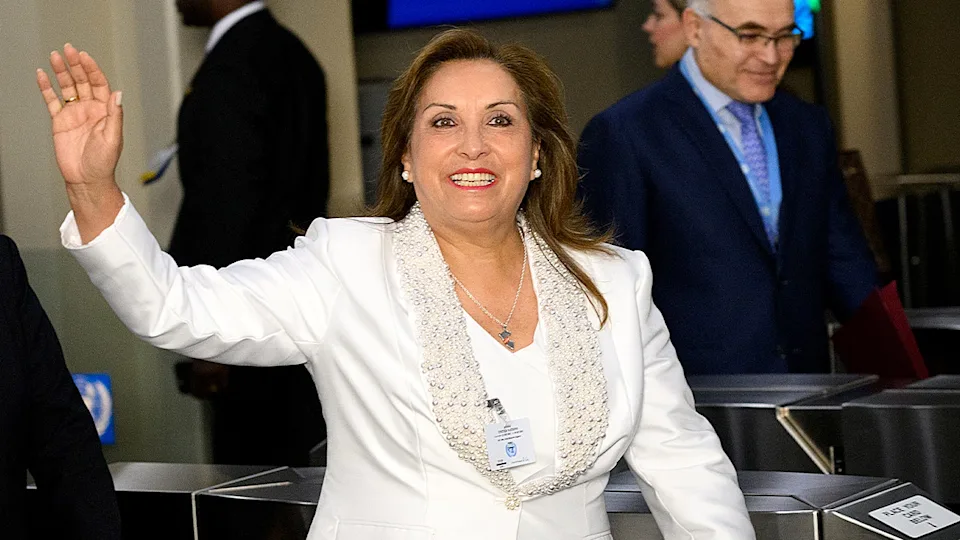
Peru’s interim president, José Jerí, was removed from office Tuesday amid allegations of corruption, marking the country’s seventh presidential ouster in a decade. The move comes just months before April’s presidential and congressional elections, further intensifying political instability.
According to Daljoog News analysis, Jerí’s ouster highlights the fragility of Peru’s political institutions and the influence of personal and business networks on governance. The so-called “Chifagate” scandal, involving undisclosed meetings with Chinese business figures, underscores the ongoing concerns about transparency and foreign influence in the country’s decision-making.
The timing is critical: Jerí had assumed the presidency in October 2025 after the removal of his predecessor, Dina Boluarte, leaving the country with an interim leader during a period of heightened electoral uncertainty. The political vacuum raises questions about the continuity of governance and the credibility of upcoming elections.
What Happened?
Lawmakers in Peru’s Congress voted to censure Jerí, effectively stripping him of the presidency. The vote was triggered by allegations that Jerí met with a Chinese businessman connected to a major energy concession, as well as with another individual under investigation for illegal logging.
Jerí, who became president after Boluarte’s dismissal, assumed office as the head of Congress in the absence of a vice president. Right-wing parties that had supported Boluarte withdrew their backing amid ongoing scandals, leaving Jerí as the next in line.
Jerí has denied wrongdoing and said he will respect the congressional vote, returning to his role as a legislator. Lawmakers are now tasked with electing a new head of Congress, who will serve as interim president until the winner of the April 12 elections takes office on July 28, 2026.
Why This Matters
Peru’s political turbulence reflects deeper structural instability. Since 2016, the country has seen seven presidents leave office prematurely, creating a pattern of short-term administrations and eroding public confidence in democratic institutions.
The scandal also highlights concerns over foreign influence and business lobbying, particularly regarding Chinese investments in Peru’s energy sector. Analysts warn that ongoing political uncertainty could hinder economic planning and affect investor confidence, especially as the country prepares for national elections.
The crowded presidential field adds another layer of complexity. Conservative businessman Rafael López Aliaga currently leads in polls, with Keiko Fujimori, daughter of former president Alberto Fujimori, trailing in second place in most surveys. Fujimori narrowly lost her last bid in 2021 with 49% of the vote. If no candidate wins a majority in April, the top two contenders will face a runoff in June.
What Analysts or Officials Are Saying
Observers note that Jerí’s removal could reshape alliances in the lead-up to the election. Political analysts suggest that interim leaders are unlikely to make major policy decisions, limiting the government’s effectiveness in the next few months.
Some experts emphasize the role of Congress in shaping the presidency under Peru’s constitution. By voting to censure Jerí, legislators asserted their authority but also added to public perceptions of political instability. The swift turnover in leadership has implications for governance, public trust, and foreign relations, particularly with key economic partners like China.
Daljoog News Analysis
The “Chifagate” scandal underscores the entanglement of business, politics, and governance in Peru. Jerí’s meetings with foreign and domestic business figures raise questions about influence and accountability, fueling public cynicism toward elected officials.
Daljoog News assesses that the rapid succession of leaders, coupled with corruption scandals, threatens to overshadow policy debates during the upcoming elections. This environment favors candidates who can project both competence and a break from the political establishment.
The interim government, now in the hands of a new congressional leader, faces the dual challenge of maintaining stability while ensuring fair and credible elections. The political maneuvering over the next month will likely shape the contours of Peru’s political landscape for years to come.
What Happens Next
Congress is expected to vote on a new interim president by February 18, with the individual assuming office until the elected president is sworn in July 2026. Meanwhile, the April presidential and congressional elections will proceed under heightened public scrutiny.
Candidates, including López Aliaga and Fujimori, will navigate a politically volatile environment shaped by corruption scandals, leadership turnovers, and public dissatisfaction. The outcome will not only determine the next administration but also influence Peru’s institutional stability and international relations.