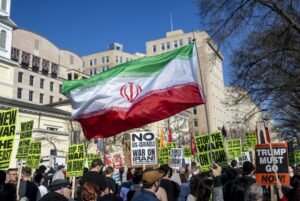

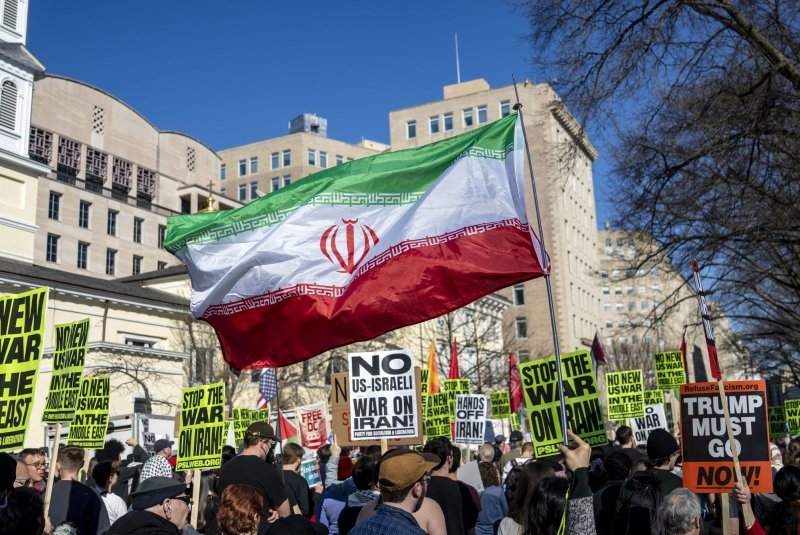
Tens of thousands of people took to the streets in Tehran on Saturday following Israeli and U.S. airstrikes targeting Iranian facilities. Protesters carried Iranian flags and placards while chanting slogans condemning foreign attacks and expressing solidarity with the national leadership.
According to Daljoog News analysis, these demonstrations reflect deep public anger over foreign military interventions, as well as growing nationalist sentiment in support of the Iranian government despite mounting international pressure.
The protests are part of a wider wave of demonstrations, both domestically and internationally, highlighting how events in Tehran are resonating with the Iranian diaspora across Europe.
What Happened?
Protesters in Tehran gathered spontaneously near major squares and government buildings, holding banners denouncing Israel and the United States. Many voiced support for Iran’s Supreme Leader and vowed that the country would respond firmly to any external threats.
“I am here to show that neither America nor criminal Israel can break us,” one demonstrator told local reporters. “We will stand by our leader and never waver. Bombs and missiles cannot destroy our resolve.”
Similar demonstrations occurred abroad, where Iranians living in London and Berlin protested outside their respective Iranian embassies. Hundreds carried flags and signs calling for freedom, democracy, and reform within Iran. Many emphasized that true change must come from the people, not from foreign powers.
Why This Matters
The protests signal both domestic and international pressure points for Iran. Within Tehran, the gatherings reinforce government messaging of unity and resistance against foreign intervention. Meanwhile, the diaspora’s demonstrations underscore widespread desire for political change and human rights, complicating Iran’s diplomatic position.
The protests could influence regional perceptions of legitimacy and public morale, particularly as Iran faces escalating military tensions with the U.S. and Israel.
What Analysts or Officials Are Saying
Observers note that spontaneous mass gatherings in Tehran are rare under the strict security environment of the Islamic Republic. Analysts suggest that these demonstrations reflect a blend of nationalistic fervor and genuine anger over the strikes, while the diaspora protests signal enduring dissatisfaction with Iran’s internal governance.
European authorities monitoring the protests have emphasized the peaceful nature of the overseas demonstrations, though they acknowledge the strong political statements being made against the Iranian government.
Daljoog News Analysis
The simultaneous domestic and international protests highlight a dual narrative: inside Iran, citizens rally around national sovereignty; outside, Iranians press for reform and accountability. This duality creates tension for Tehran as it balances defensive rhetoric with public opinion abroad.
The visibility of diaspora protests in London and Berlin may also amplify international scrutiny and pressure on the Iranian government. These demonstrations illustrate the complex interplay between nationalist pride, resistance to foreign intervention, and calls for political change.
What Happens Next
In Tehran, authorities are likely to monitor protests closely to prevent escalation, though public support for national defense could encourage further street demonstrations.
Internationally, diaspora activism is expected to continue, particularly in European capitals, potentially shaping diplomatic engagement with Iran and influencing policy debates on sanctions, human rights, and military interventions.