
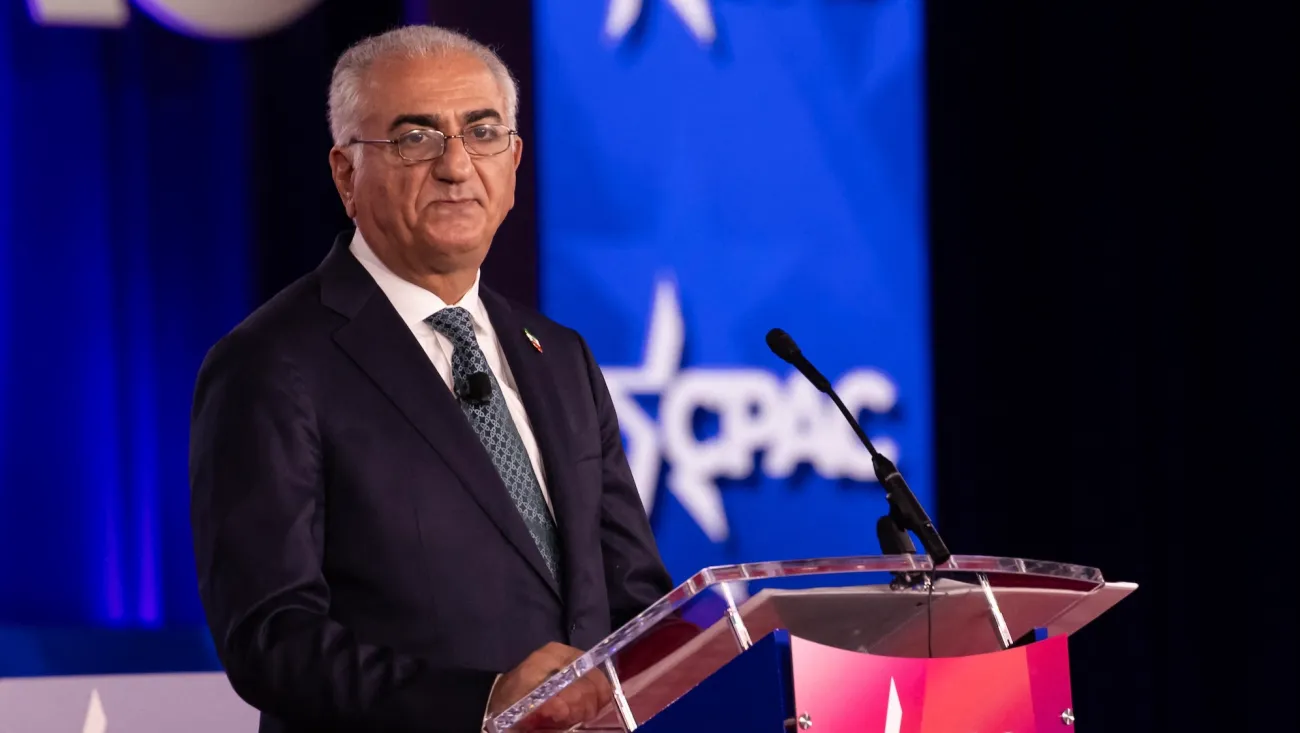
Reza Pahlavi, the exiled Iranian opposition leader, addressed the Conservative Political Action Conference (CPAC) in Texas on Saturday, voicing strong support for President Donald Trump. Pahlavi used the event to call for a tougher US policy toward Iran and urged Trump to continue his administration’s hardline approach.
According to Daljoog News analysis, Pahlavi’s speech highlights the intersection of US domestic politics and Iranian opposition activism. By aligning himself publicly with Trump, he signals the ongoing influence of expatriate political figures on American policy debates regarding Iran.
The timing of the speech is notable, coming a month after intensified US-Iran-Israel tensions, underscoring the broader geopolitical backdrop that shapes diaspora activism and international political messaging.
What Happened?
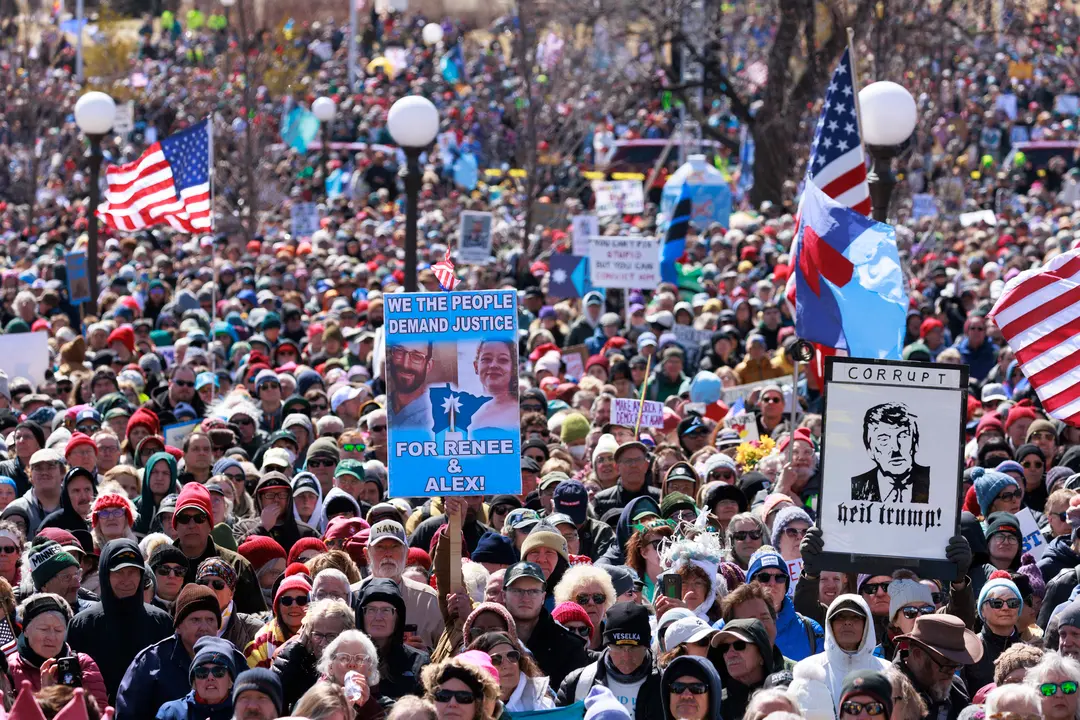
At the CPAC conference held in Grapevine, Texas, Pahlavi addressed an enthusiastic audience, calling for an end to slogans like “Death to America” and replacing them with a vision he described as “God Bless America.” He repeatedly praised Trump for “making America great again” and tied it to his own goal of restoring Iran’s potential and stability.
Audience members responded with sustained applause and slogans such as “Long Live the King,” reflecting Pahlavi’s symbolic influence among Iranian expatriates and conservative-leaning supporters. The conference served as a platform for him to amplify his opposition to the current Iranian government and advocate for US policies that align with his vision for Iran.
Pahlavi emphasized that the United States should maintain a firm stance in negotiations with Iran rather than pursuing compromise. His remarks positioned him as a key voice in shaping discourse among Iranian communities abroad and conservative American political circles.
Why This Matters
Pahlavi’s public endorsement of Trump at a high-profile US political event signals the continuing impact of the Iranian diaspora on American foreign policy debates. His message resonates with those advocating for a hardline approach toward Tehran, reinforcing calls for sanctions and strategic pressure.
The speech also comes at a sensitive moment in Middle Eastern geopolitics. A month of escalating US-Iran-Israel confrontations has heightened global attention, making Pahlavi’s remarks both timely and strategically relevant.
His emphasis on replacing anti-American rhetoric with pro-American messaging illustrates an effort to shift perceptions within and outside the Iranian community, promoting diplomatic and symbolic influence over military confrontation.
What Analysts or Officials Are Saying
Observers note that Pahlavi’s alignment with Trump strengthens his visibility but also underscores the polarization in approaches to Iran. Analysts suggest that such endorsements can influence public opinion and potentially shape Congressional and administrative attitudes toward Iranian policy.
Political commentators point out that diaspora figures like Pahlavi serve as bridges between American political audiences and domestic opposition movements in authoritarian states. Their messaging often blends cultural symbolism with geopolitical strategy, aiming to garner support for long-term policy objectives.
Daljoog News Analysis
Pahlavi’s appearance at CPAC demonstrates the strategic use of American political platforms by exiled leaders to advance their agendas. By linking US domestic political narratives with his vision for Iran, he elevates his profile while shaping the debate on sanctions, diplomacy, and regime accountability.
The applause and slogans from attendees highlight a continuing network of supporters who see Pahlavi as a legitimate voice for change in Iran. This dynamic illustrates how transnational political advocacy can intersect with high-profile US events, influencing both media coverage and policy discussions.
What Happens Next
Pahlavi is likely to continue leveraging international and US-based forums to promote his political vision. His advocacy may impact upcoming US policy debates, particularly within conservative circles concerned with Iran’s regional behavior.
For the Iranian diaspora, the speech reinforces mobilization and engagement, potentially affecting lobbying efforts, media campaigns, and political outreach. Analysts will watch closely to see how these public endorsements intersect with evolving Middle East tensions and the broader trajectory of US-Iran relations.