



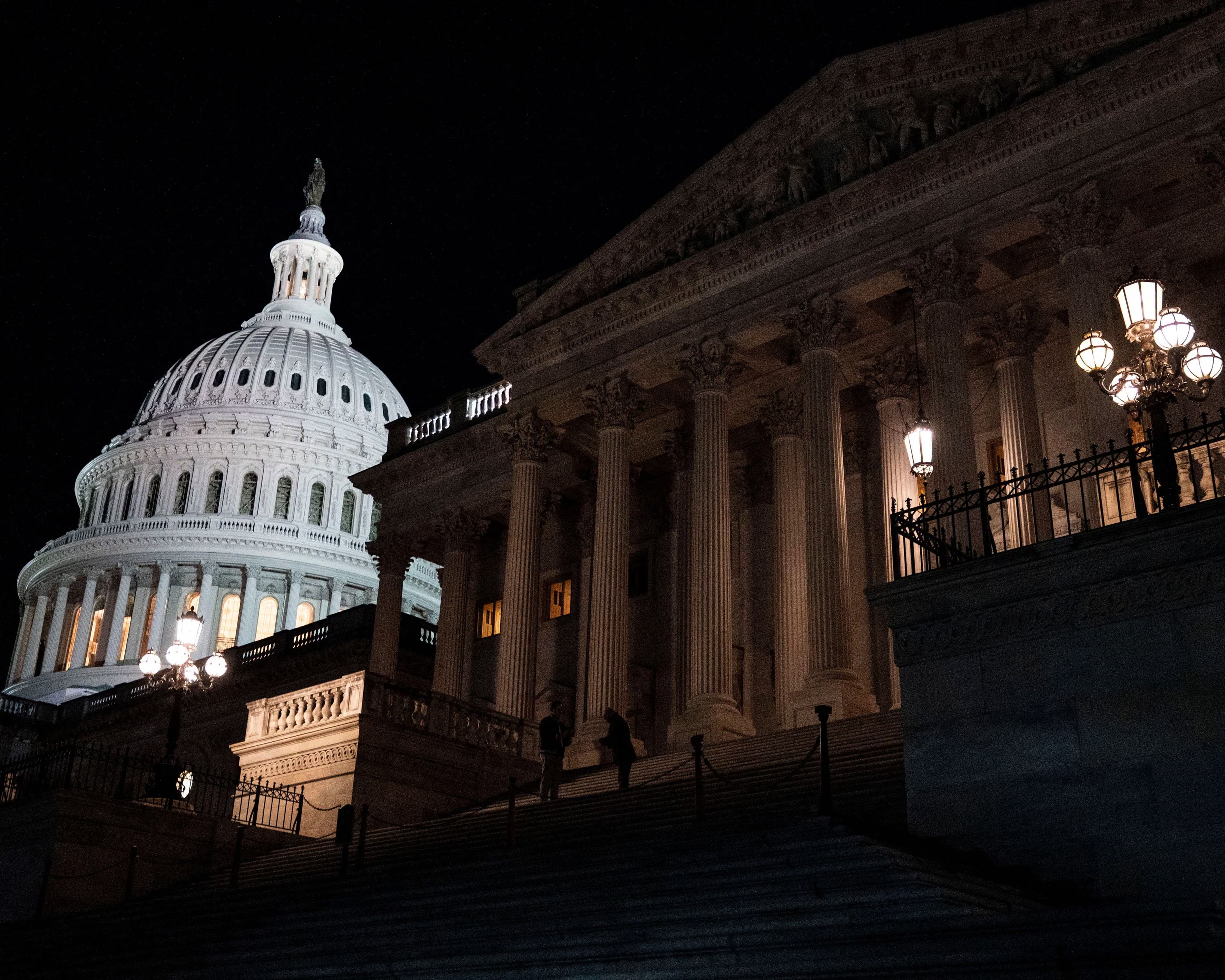
The US Senate approved a bill on Monday to end the longest government shutdown in US history. The measure passed in a 60-40 vote, with nearly all Republicans supporting it and eight Democrats joining them. The Democrats had tried to link government funding to health subsidies set to expire at the end of the year, but their effort failed.
The bill now moves to the House of Representatives, which is expected to vote on it on Wednesday. Lawmakers are urged to return quickly to Washington after shutdown-related travel delays.
House Speaker Mike Johnson called on members to resume work immediately. He said the delays caused by the shutdown make prompt action critical. “We have to do this as quickly as possible,” Johnson said. The House has been out of session since mid-September, after passing a separate bill to continue government funding.
The Senate vote reflects a rare moment of bipartisan agreement amid ongoing disagreements over spending priorities. Republicans largely supported the measure to reopen the government, while a small group of Democrats pushed for additional funding tied to healthcare.
The shutdown has affected federal employees and government operations nationwide. Agencies have faced interruptions, and some federal workers have been furloughed without pay. The end of the shutdown would allow agencies to resume normal operations and restore pay for affected workers.
Many Americans have felt the impact of the government closure. Delays have affected everything from passport processing to public services. Some programs, including certain health subsidies, have faced uncertainty due to the shutdown. Lawmakers’ approval of the compromise bill aims to prevent further disruption.
Observers note that the Senate’s vote demonstrates the urgency to end the shutdown before additional harm is done to federal workers and public services. The measure’s progress to the House highlights the importance of swift legislative action.
If the House approves the bill, federal funding will be restored, and government operations will return to normal. Lawmakers will then need to consider longer-term budget plans to avoid future shutdowns.
The compromise also signals the challenges of negotiating bipartisan solutions in a divided government. While the vote clears an immediate hurdle, longer-term debates over spending, healthcare, and other priorities will continue.
The Senate’s approval is a significant step toward ending a historic period of disruption. Federal employees, government agencies, and the public will likely welcome the resolution. The House vote on Wednesday will determine whether the shutdown officially ends.